Key takeaways
- A liner must sit against clean pipe
- Jetting uses high-pressure water to scour walls
- It is paired with camera checks before and after
- Pressure is matched to the pipe
Why a clean pipe matters
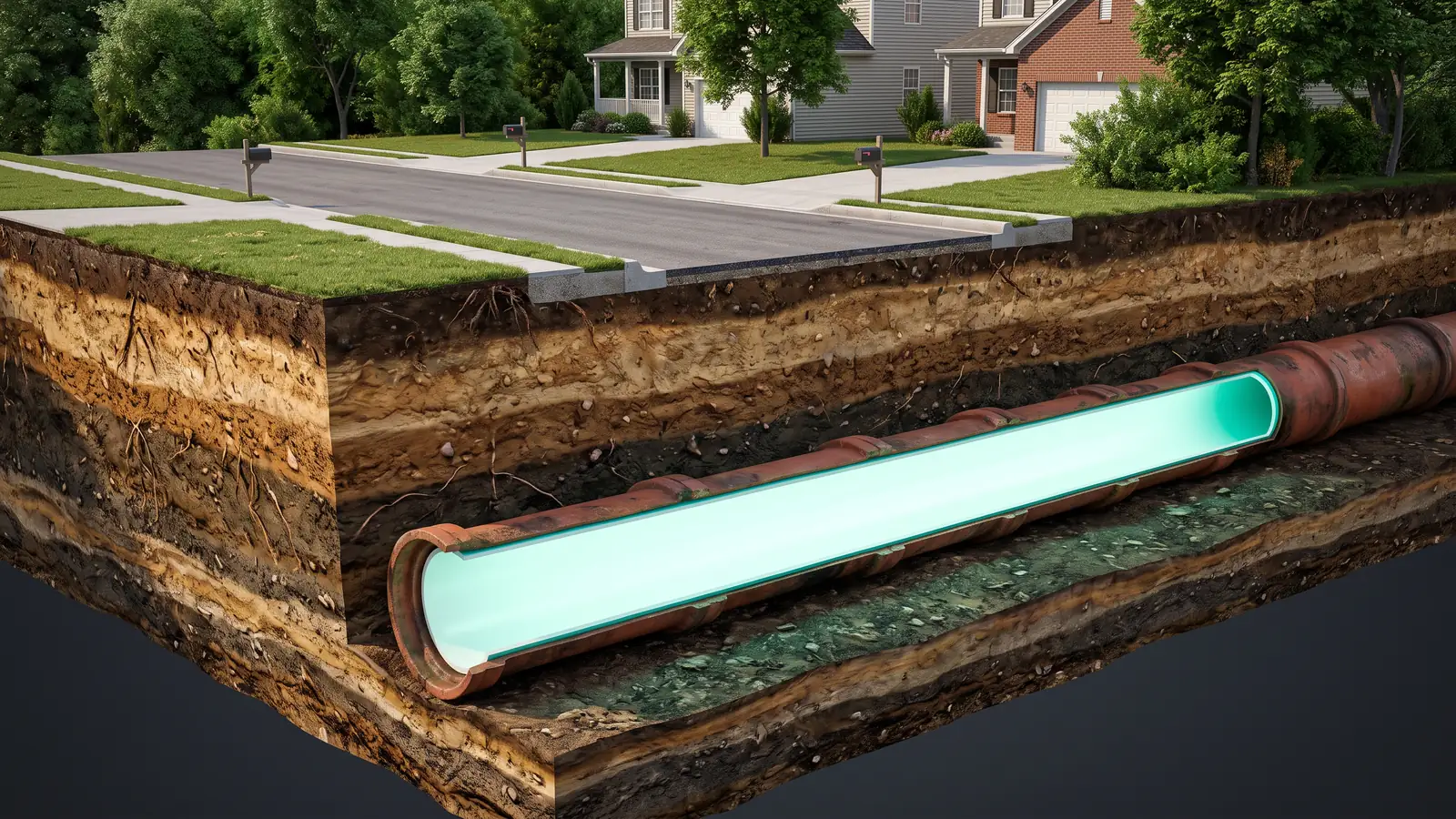
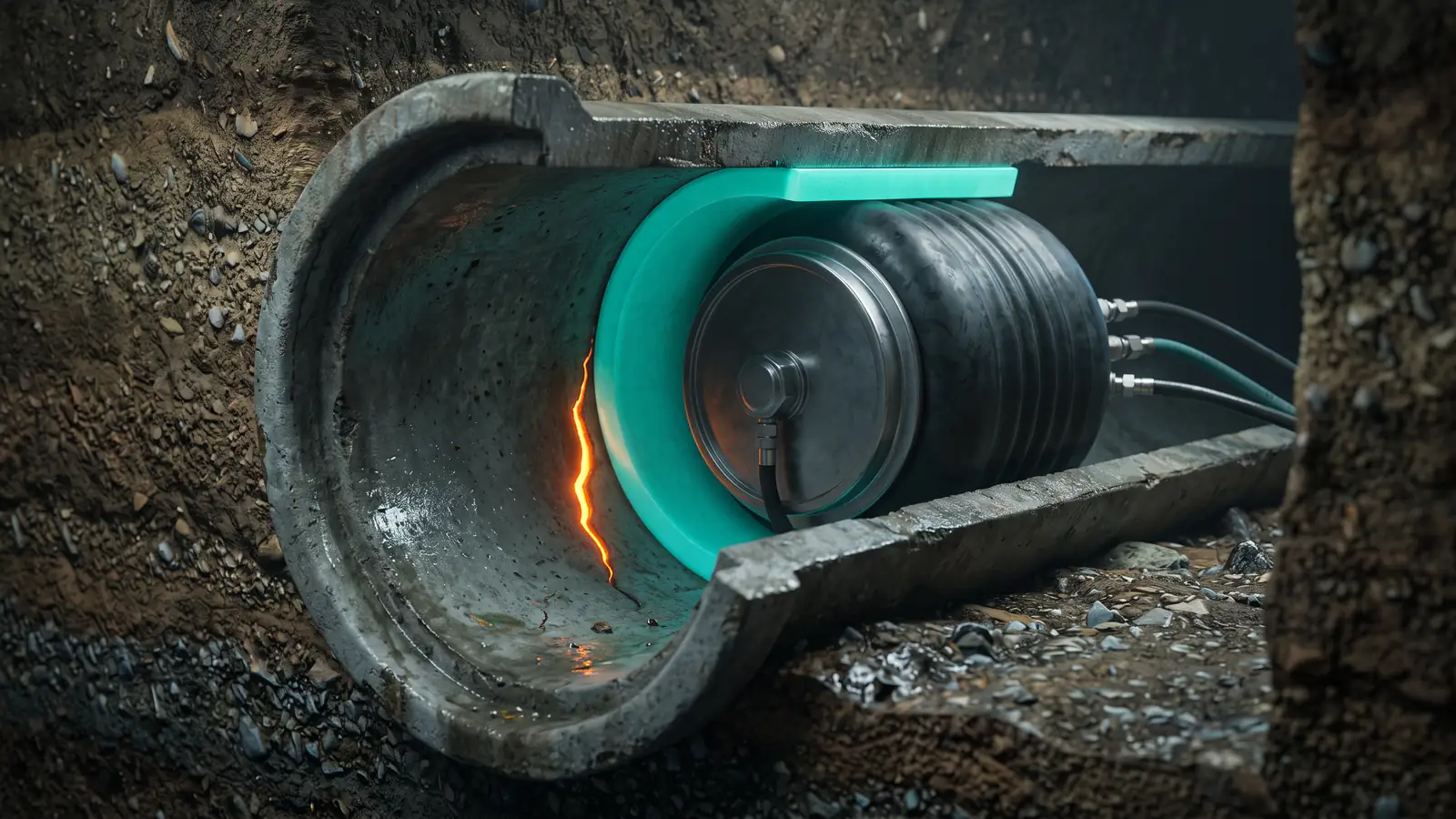
A liner presses against the pipe wall as it cures. Grease, scale, sludge or roots between the wall and the liner leave voids, wrinkles and weak spots. A clean surface gives a tight, smooth result.
Skipping the cleaning is one of the most common causes of poor lining jobs.
What jetting does
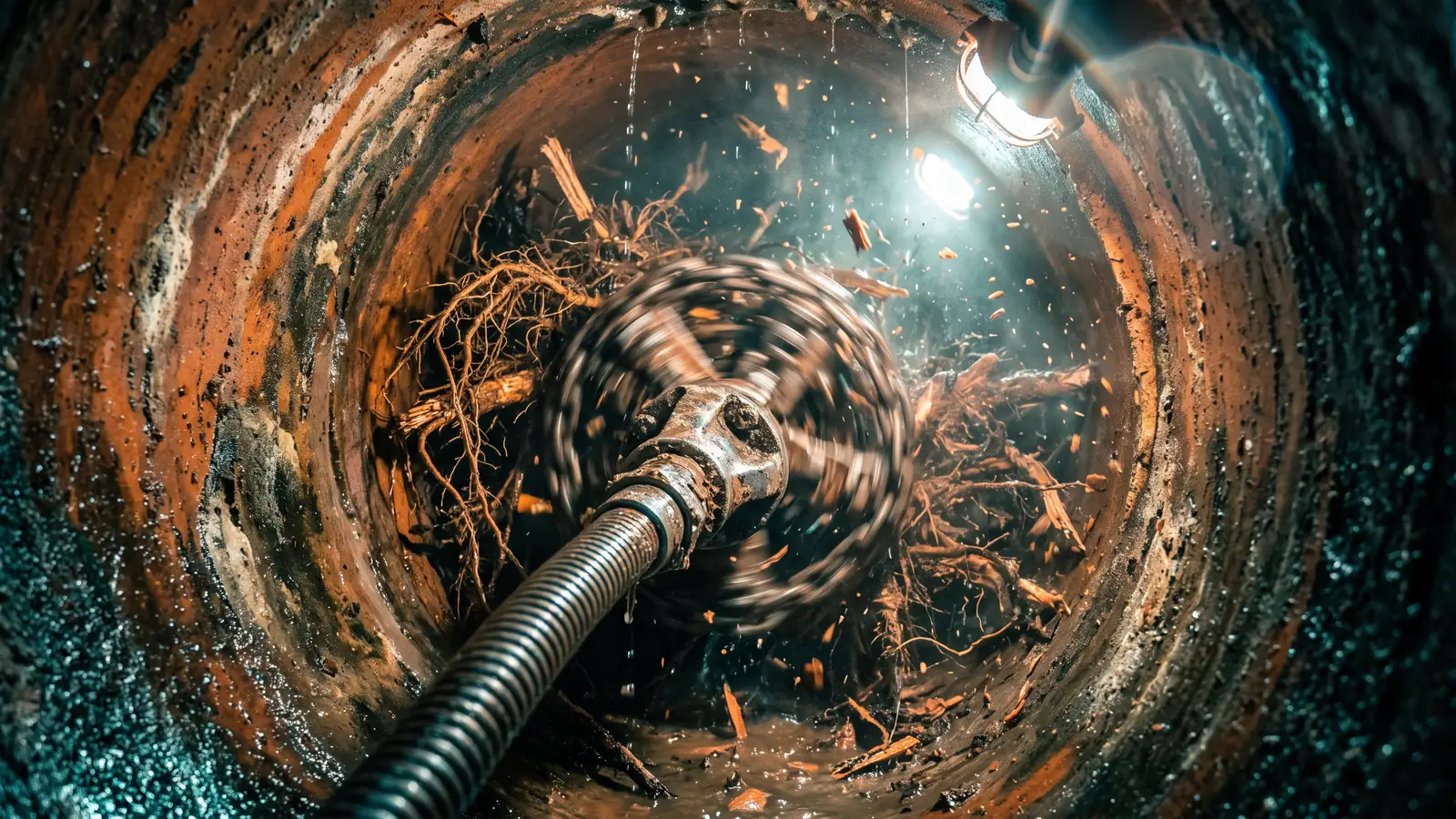
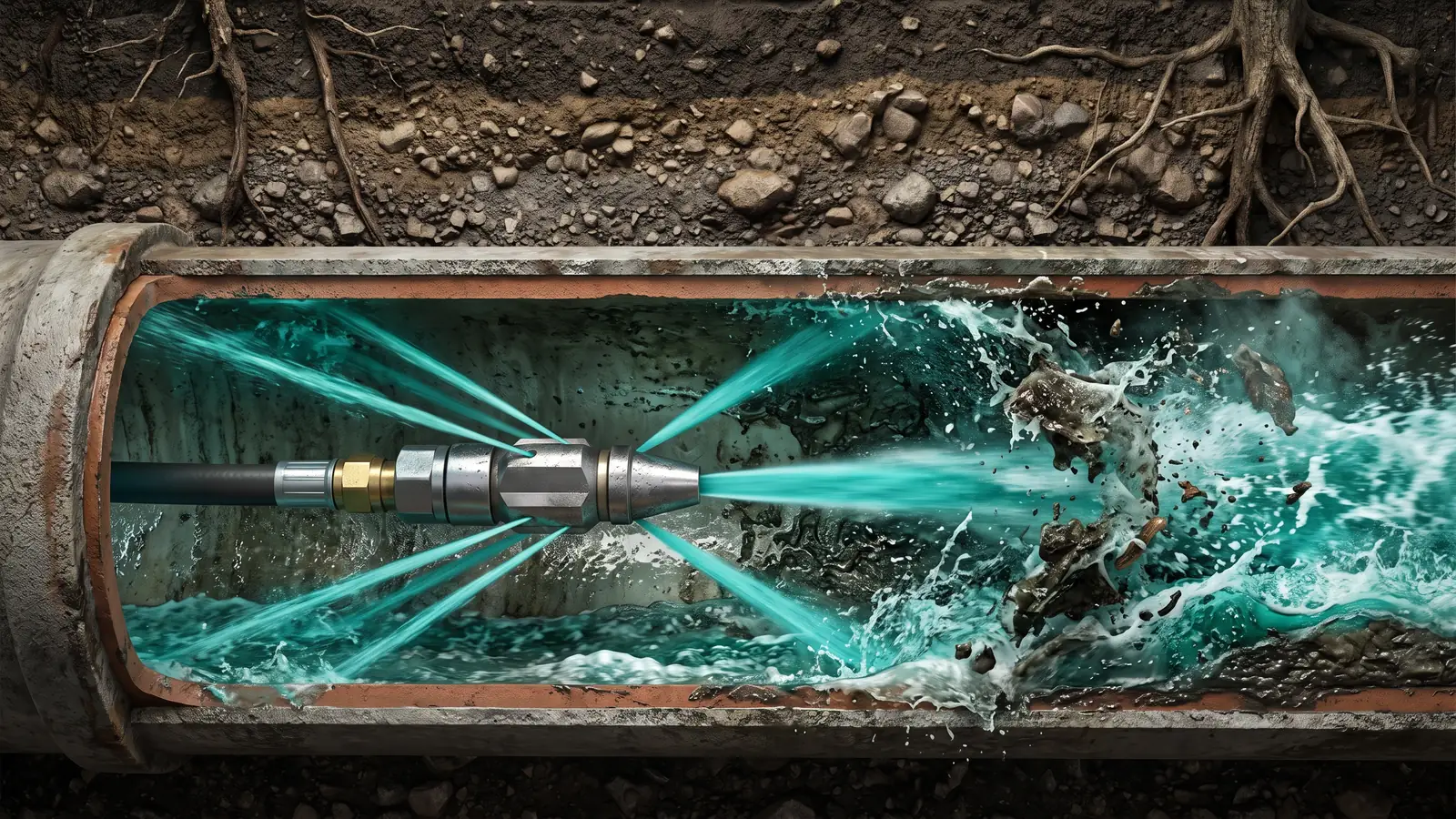
A nozzle on a high-pressure hose is fed into the pipe. Jets of water scour the walls and push debris along. Different nozzles suit different jobs: forward-facing to cut blockages, rear-facing to pull the hose along and wash debris out.
It cleans the whole wall, not just a channel through the middle.
Matching pressure to the pipe
High pressure can damage fragile or cracked pipe. We camera first, then choose the pressure and nozzle to suit the material and condition. Old clay and fiber pipe need gentler settings than sound plastic.
If a pipe is too fragile to jet safely, we say so.
Verifying the result
After jetting, a second camera pass confirms that the walls are clean and ready. If scale or roots remain, we add the right cutters and repeat.
Only then does the liner go in.
Quick answers
Is jetting messy?
It is contained to the line and managed at the access point. We plan around it.
Can I get jetting without lining?
Yes. It is a good stand-alone maintenance service for lines with grease or scale.
Have a pipe question?
Call (615) 952-0844 or send the form below, and we will suggest a recorded camera inspection and the options that fit.