Descaling and Cast Iron Pipe Preparation in Nashville and Middle Tennessee
Old cast iron grows rough scale inside. Descaling removes it so the pipe can be lined or coated and the flow restored.
- Inspection and Preparation
- Works from existing access
- Middle Tennessee
Descaling and Cast Iron Pipe Preparation, explained.
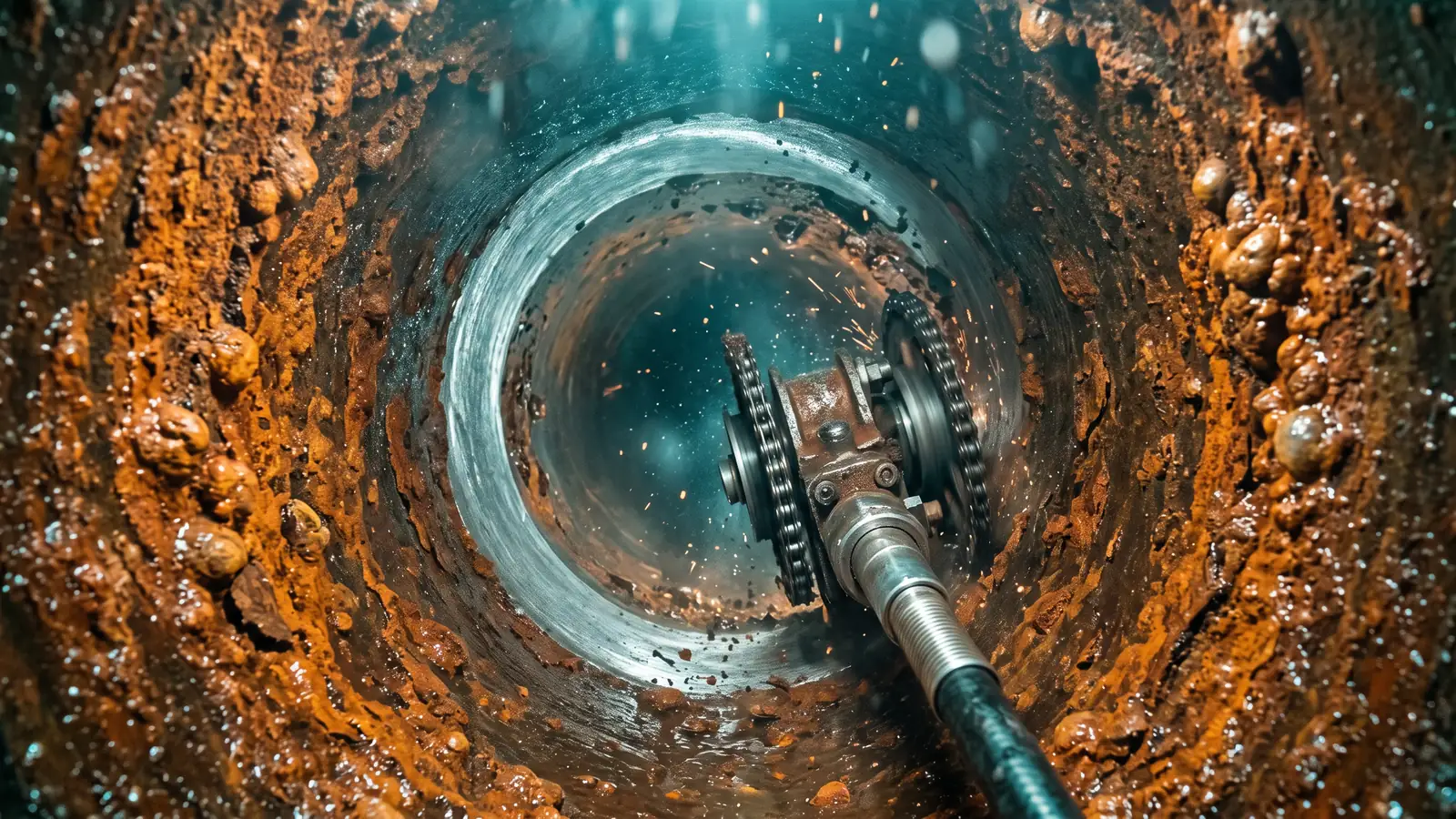
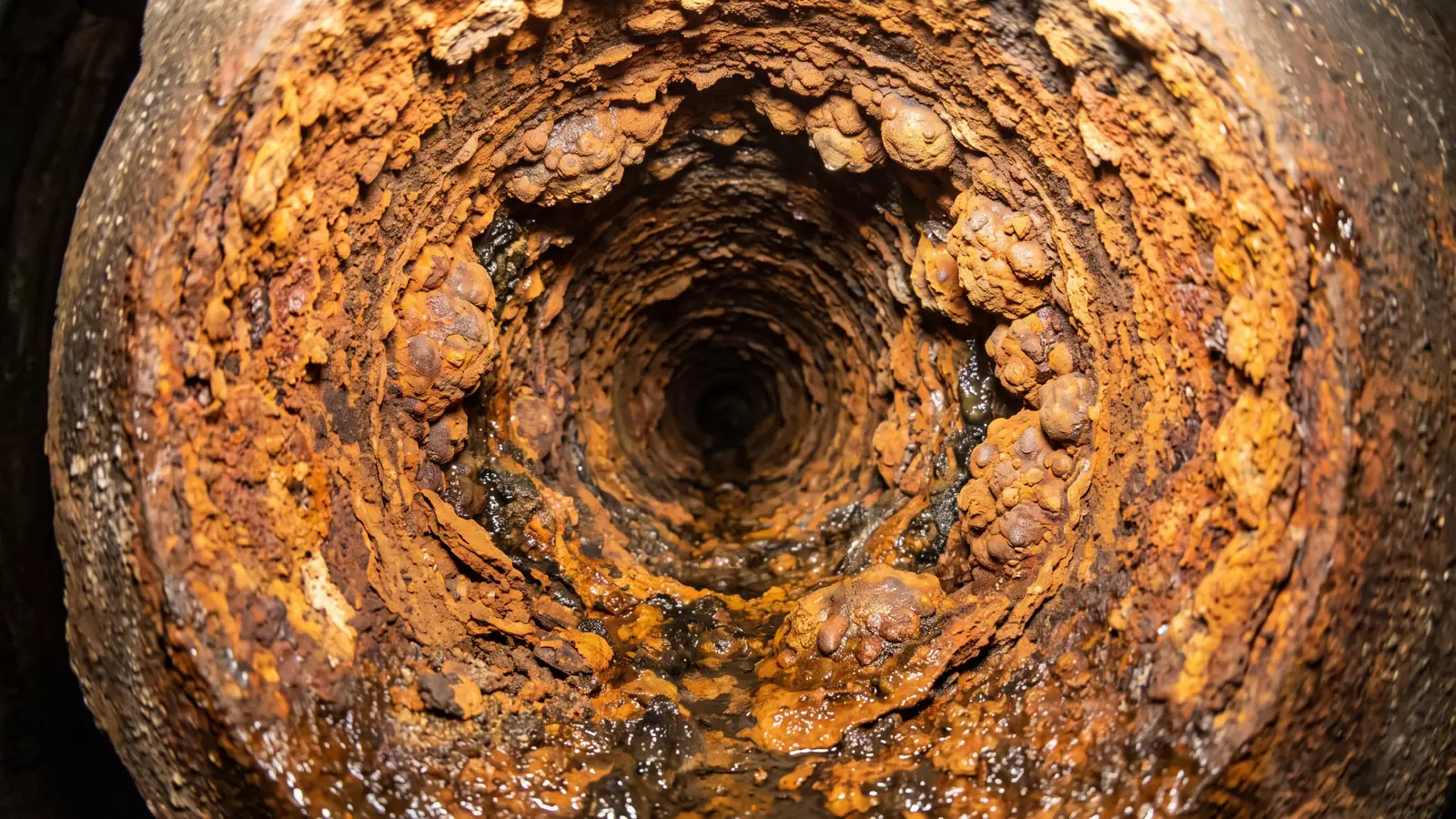
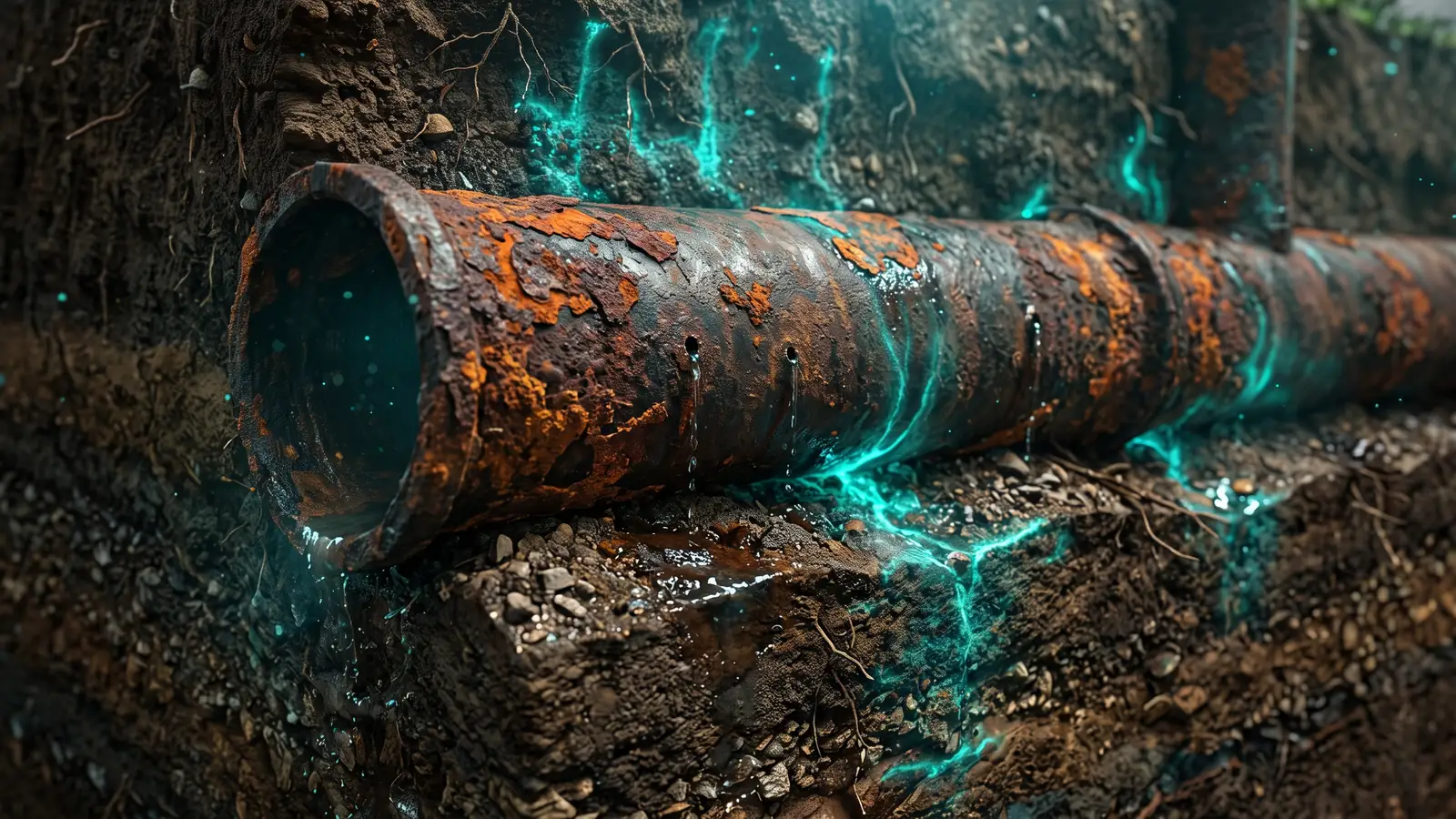
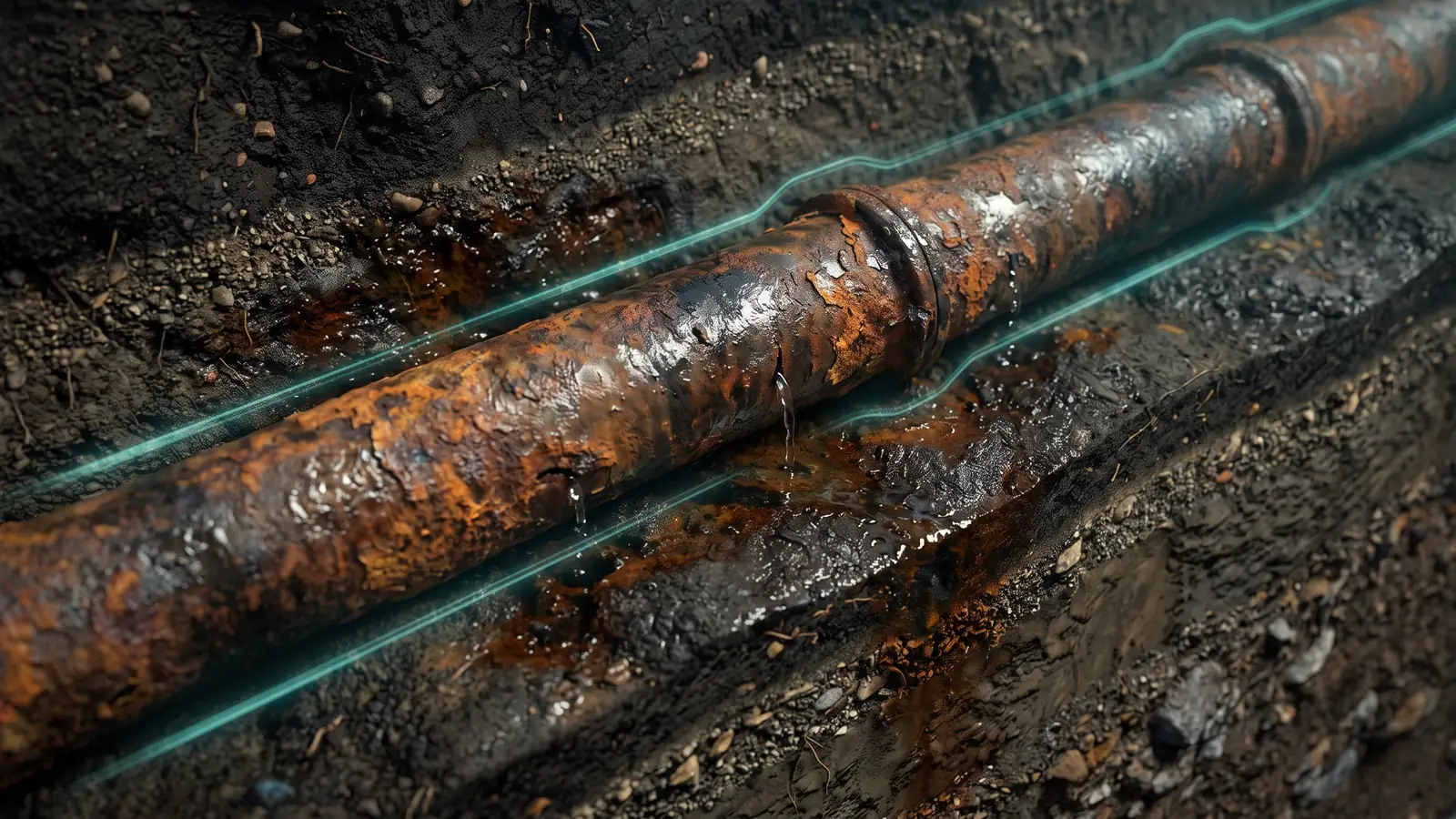
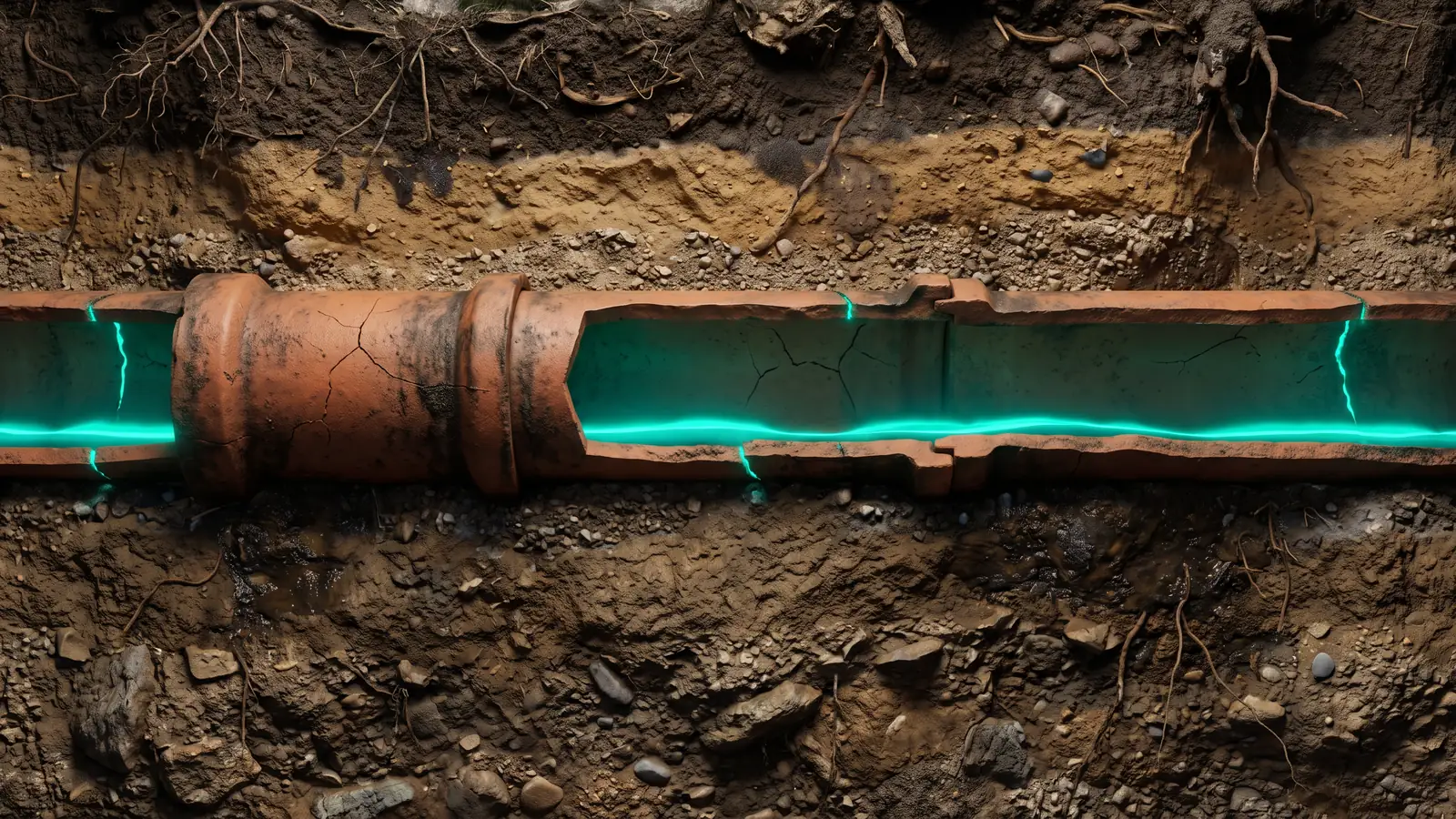
Cast iron lasts for decades, but over time it forms rough, flaky scale and rust nodules, called tuberculation, on the inside wall. The scale narrows the pipe, catches paper and grease and eventually causes slow drains and backups.
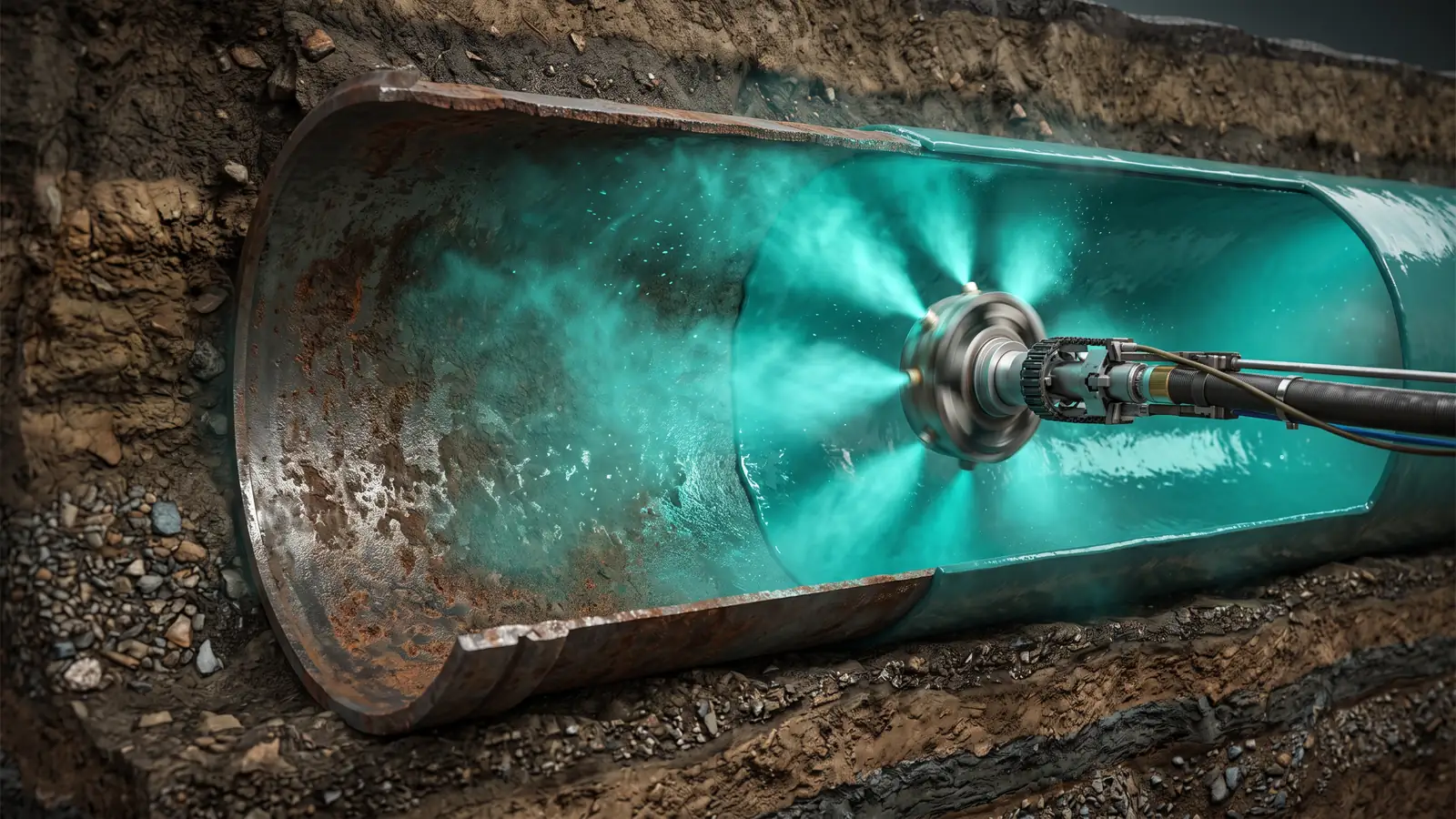
Descaling uses a rotating cutter or chain head on a cable or a high-pressure rotary nozzle to remove the scale and expose clean metal. It is a necessary step before lining or coating a cast iron pipe, because a liner needs a clean, roughly even surface. We camera before and after, and we also judge whether the metal underneath is sound enough to keep.
Signs this service fits
- Slow drains in an old cast iron system
- A camera showing thick scale or rust nodules
- You plan to line or coat a cast iron pipe
- Repeated blockages at the same spots
A good fit, and what to know.
We would rather you hear the limits from us than discover them later.
A good fit when
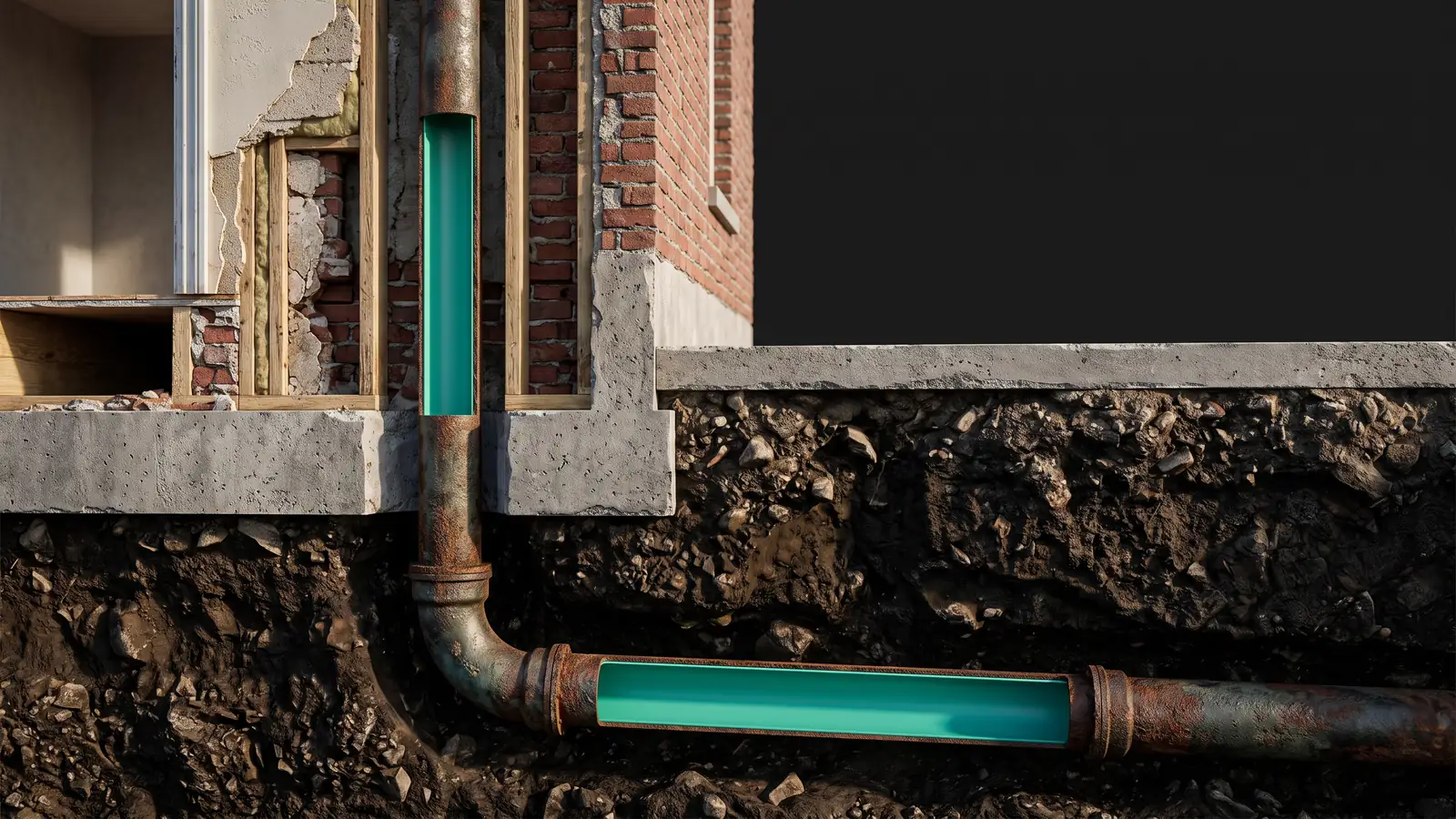
- Corroded cast iron stacks and drains
- Pipe that is scaled but still sound
- Jobs headed for lining or coating
Worth knowing
- Pipe that is badly pitted, cracked or thin may not be a lining candidate
- Descaling alone is a temporary improvement
Why choose this one.
Restores flow
Removing scale reopens the pipe.
Prepares for lining
A clean wall allows a liner or coating to bond.
Shows the real pipe
Once clean, the true wall condition is visible.
Documented
Before and after video records the work.
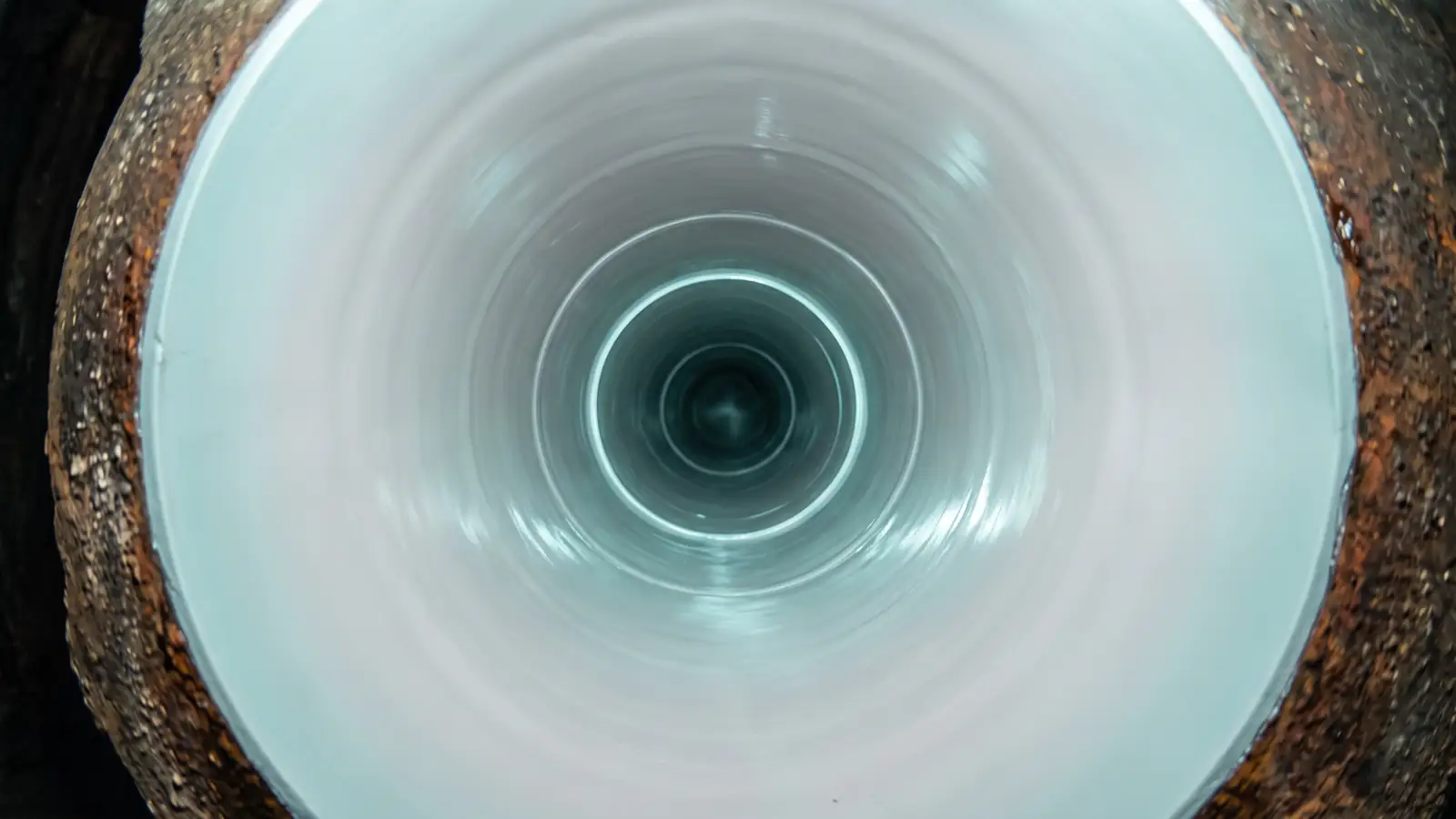
Before and after: corroded cast iron
 AfterBefore
Illustrative scene created to show a typical condition before and after a trenchless repair. Drag the handle to slide between them.
From first look to finished pipe.
A clear sequence for every job.
- 01
Inspect the scale
A camera shows how thick the scale is and what the metal looks like.
- 02
Descale the pipe
A cutter or rotary nozzle removes the scale from the walls.
- 03
Flush the debris
Loosened scale is jetted and flushed out of the line.
- 04
Camera the result
A second pass shows clean metal, and we judge whether the pipe can be lined or coated.
Services that go together.
 A-09CIPP LiningBuilding Drain and Stack LiningOld cast iron stacks and horizontal building drains can be lined from the inside, avoiding wall and ceiling…No digSee the service
 D-07ProblemsCast Iron Pipe RepairCast iron drains corrode from the inside out. Descaling and lining give old iron a smooth new interior…No digSee the service
 B-07MethodsPipe Coating and Spray LiningA spray-applied coating renews the inside of small pipes, stopping corrosion and sealing pinholes without opening walls.No digSee the service
 D-08ProblemsCorroded and Leaking Pipe RepairWeeping joints and pinholes waste water and weaken the soil around a pipe. Lining or coating seals them…No digSee the service
Read more on this topic.
 GUIDE 11 · Sewer Lines 101Sewer Pipe Materials: Clay, Cast Iron, Orangeburg and PVCFour common materials under Middle Tennessee homes, how they age and how each is repaired.2 min read
 GUIDE 02 · CIPP LiningHow CIPP Lining Works, Step by StepFrom the first camera run to the final video, here is exactly what happens on a lining day.2 min read
 GUIDE 25 · Trenchless MethodsPoint Repair vs Full-Length LiningOne patch or the whole pipe? How to tell which one your sewer needs.2 min read
Descaling and Cast Iron Prep FAQ.
Can descaling damage the pipe?
Aggressive cutting can thin weak metal. We camera first and choose a gentle enough tool, and we stop if the pipe is too fragile.
Is descaling a repair?
No. It cleans the pipe. Lining or coating afterward is what protects it.
How do you know the pipe is still sound?
Once the scale is removed, the camera shows the true wall. If it is badly pitted or thin, replacement may be the better choice.
Descaling and Cast Iron Prep across Middle Tennessee.
Pick your city for its page.
Fix the pipe. Keep the yard.
Tell us about your pipe and we will suggest a camera inspection and the least disruptive repair that fits.