Key takeaways
- A point repair patches a short section
- Full-length lining renews the entire run
- The camera shows how many defects there are
- Many patches can add up to more than one liner
What a point repair is
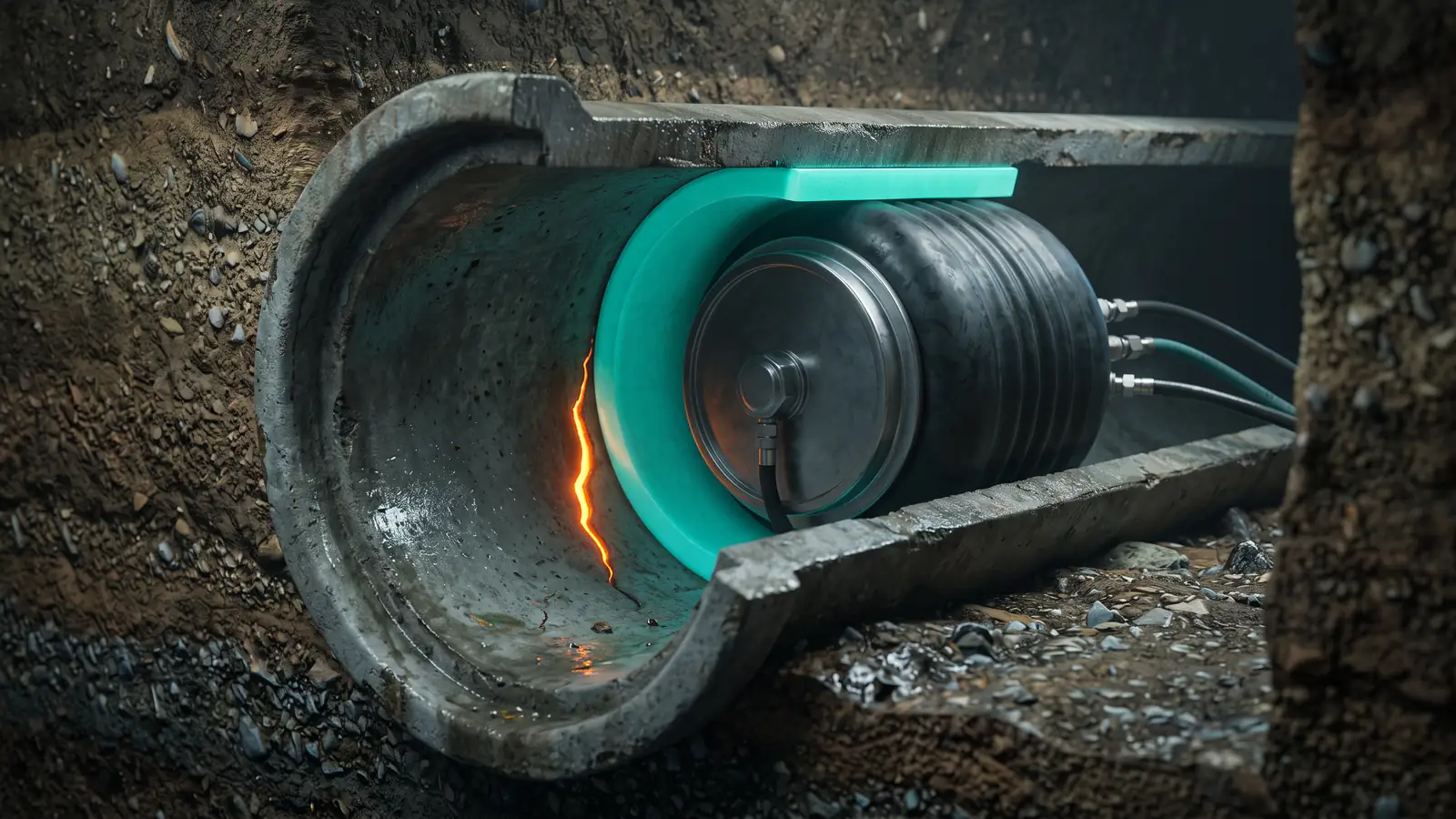
A point or spot repair uses a short resin-saturated liner on a packer, moved to the defect, inflated and cured. It covers a short section, usually enough for one crack, a hole or a joint.
It works from existing access, leaves the rest of the pipe alone and is quick.
What full-length lining is
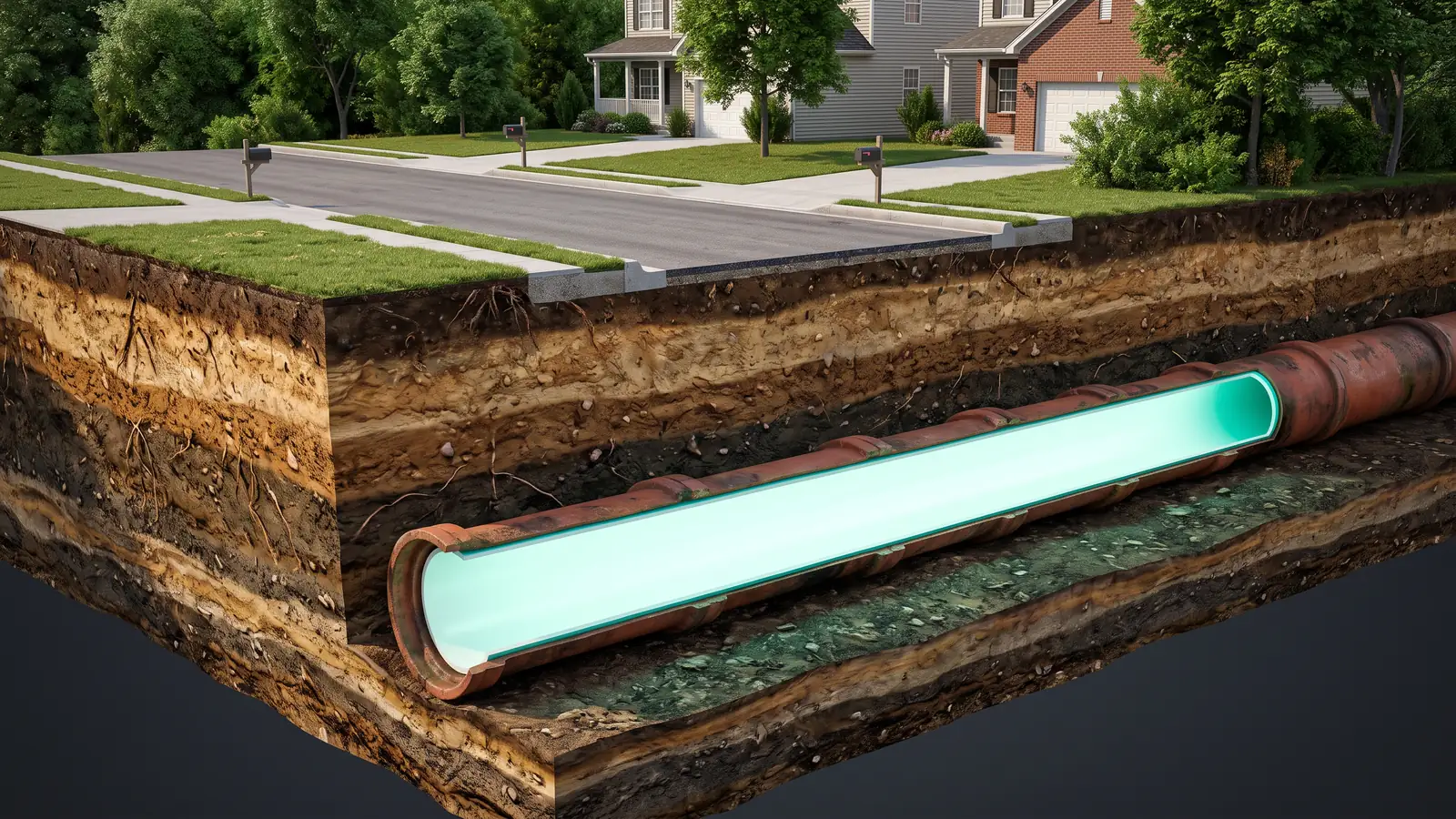
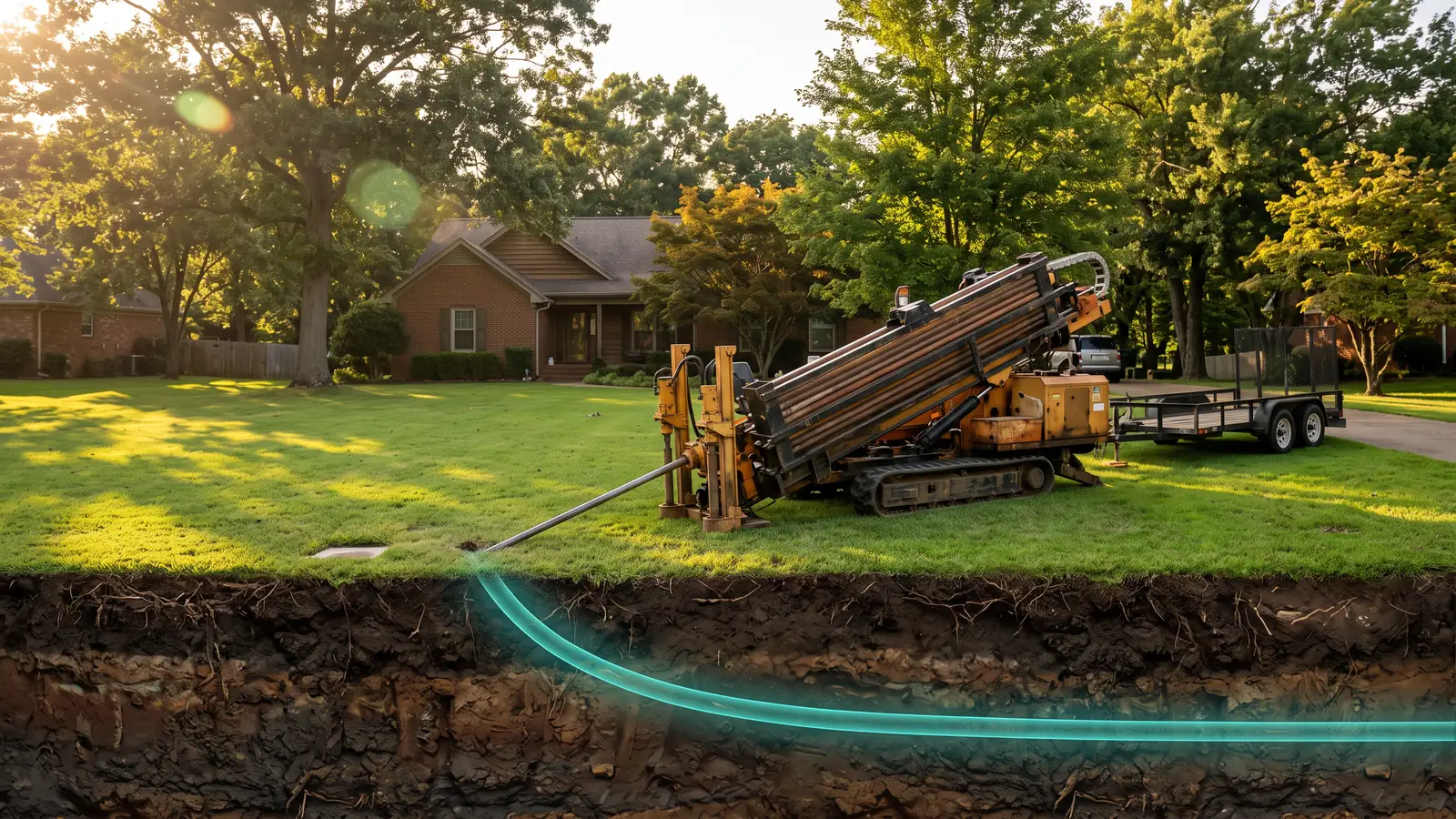
A full-length liner is installed along the whole run between two access points. It covers every joint, crack and rough spot in one pass and gives a continuous, seamless pipe.
It takes more setup but renews the whole line at once.
How to choose
If the camera shows one or two isolated defects in otherwise sound pipe, a point repair is a right-sized fix. If there are many, or if the pipe is old and the next problem is a matter of time, a full liner usually makes more sense.
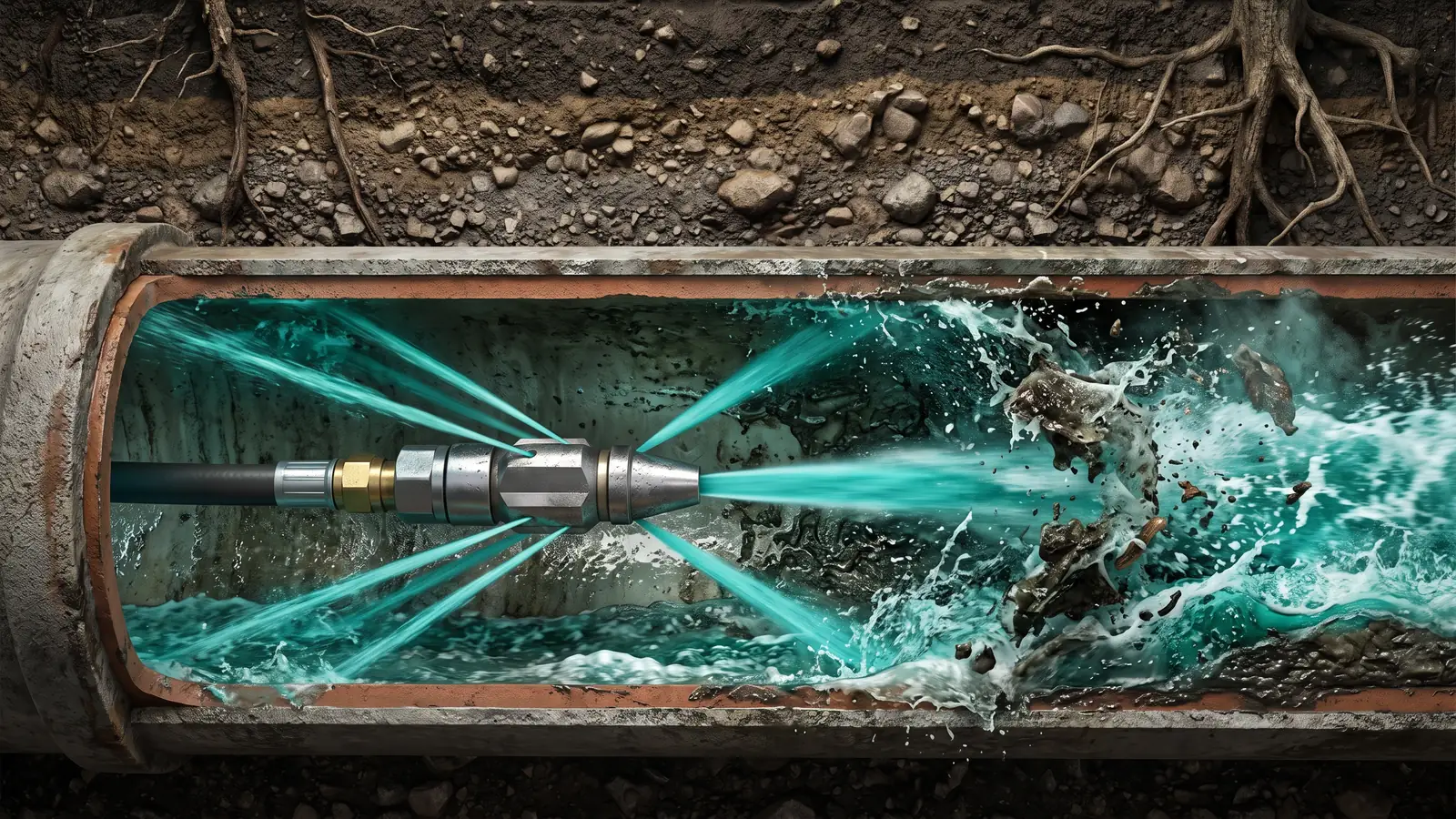
Root intrusion at many joints is a typical case for a full liner.
The cost of piecemeal repair
Each patch has a mobilization cost, and patches do not protect the sections between them. If a camera shows a dozen defects, a dozen patches could cost more than one liner and still leave weak spots.
We lay out both options so you can see the difference.
Quick answers
Can I start with a patch and line later?
Yes. A patch buys time. If the pipe keeps developing defects, lining the whole run comes next.
Do patches last as long as a full liner?
The patch material is similar, but it only protects the section it covers.
Have a pipe question?
Call (615) 952-0844 or send the form below, and we will suggest a recorded camera inspection and the options that fit.