Key takeaways
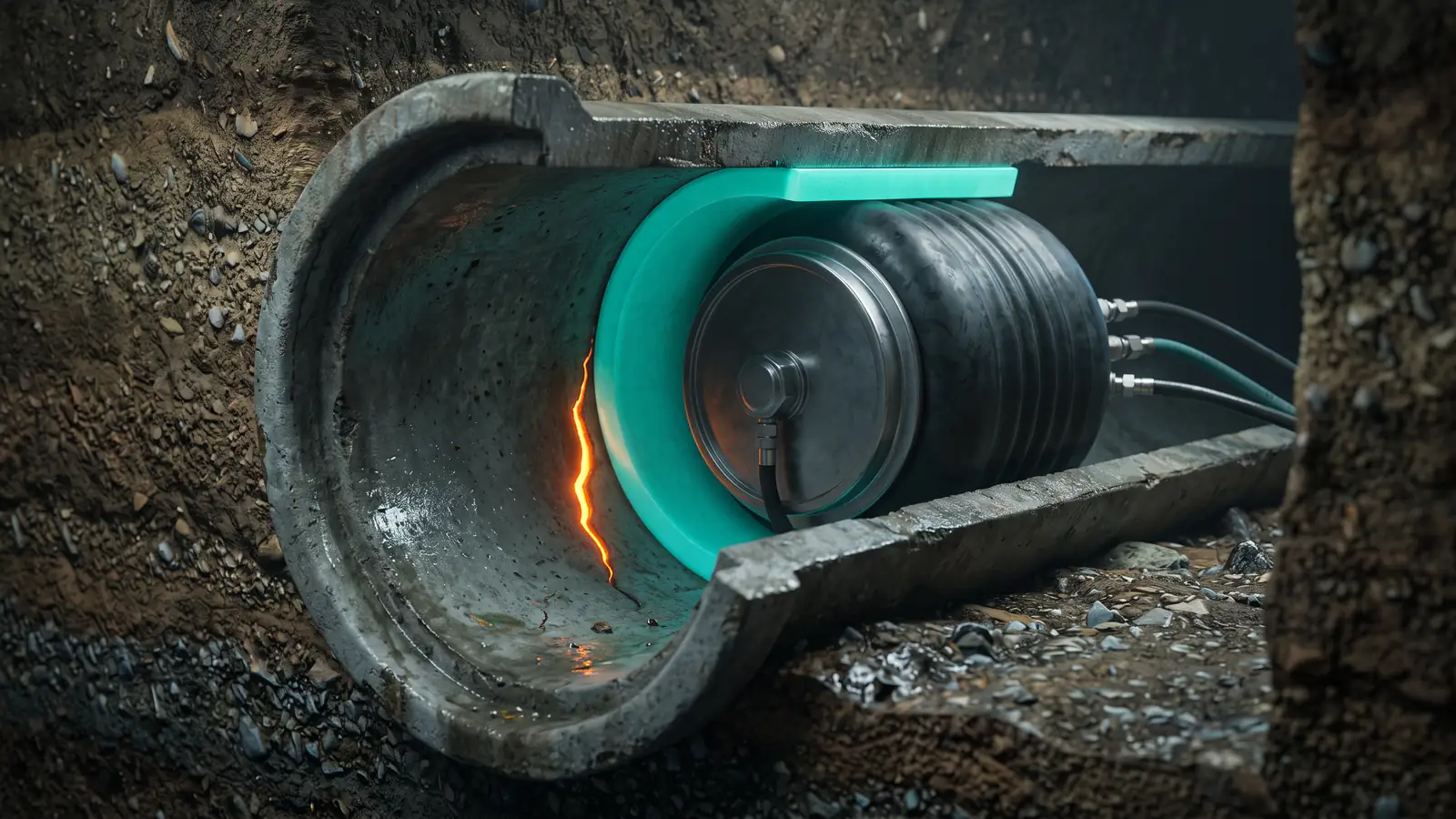
- A cured liner covers every side connection
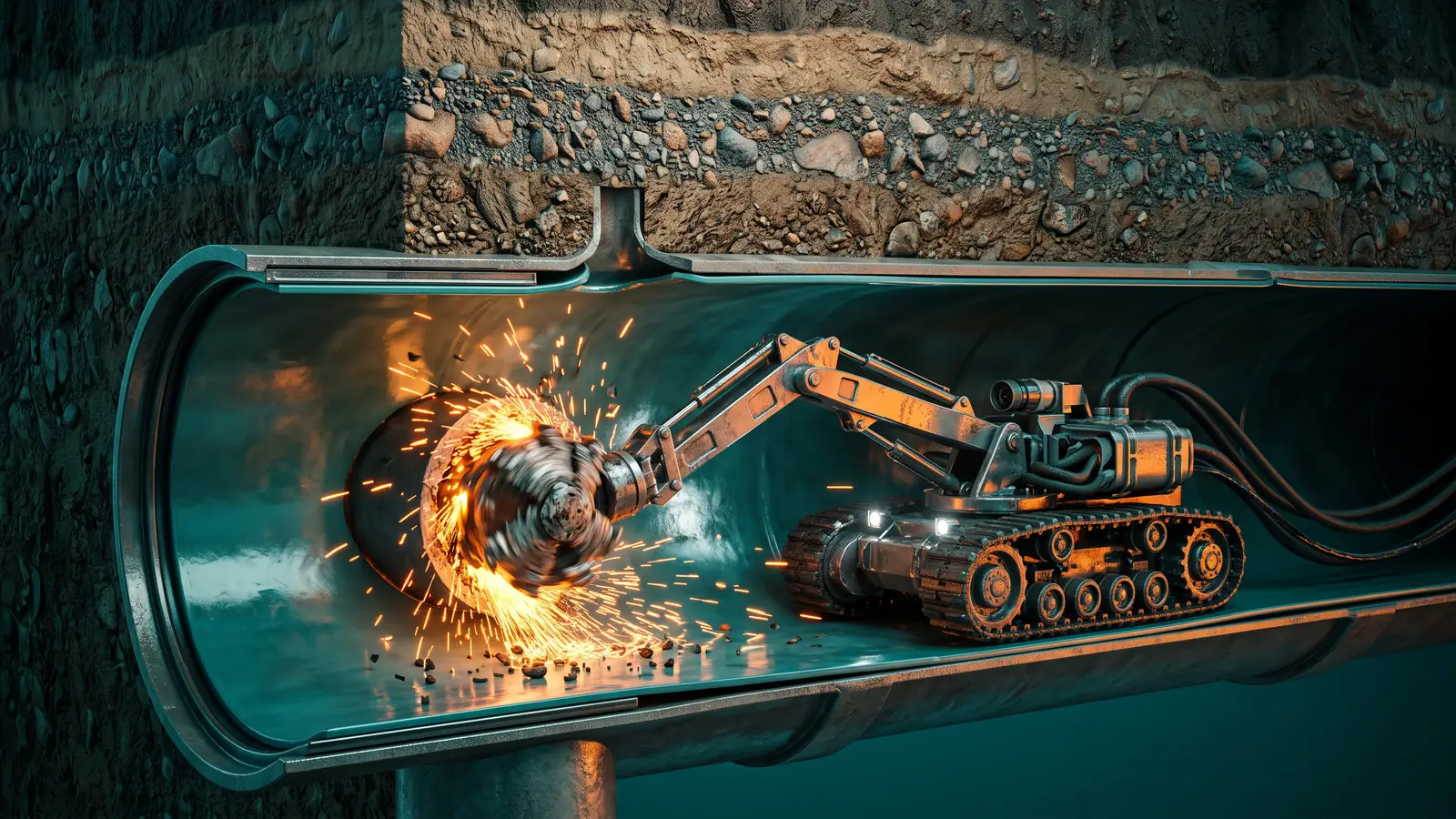
- A robotic cutter reopens each one from inside
- Each opening is checked on camera
- Cut pieces are removed so they cannot clog
The problem it solves
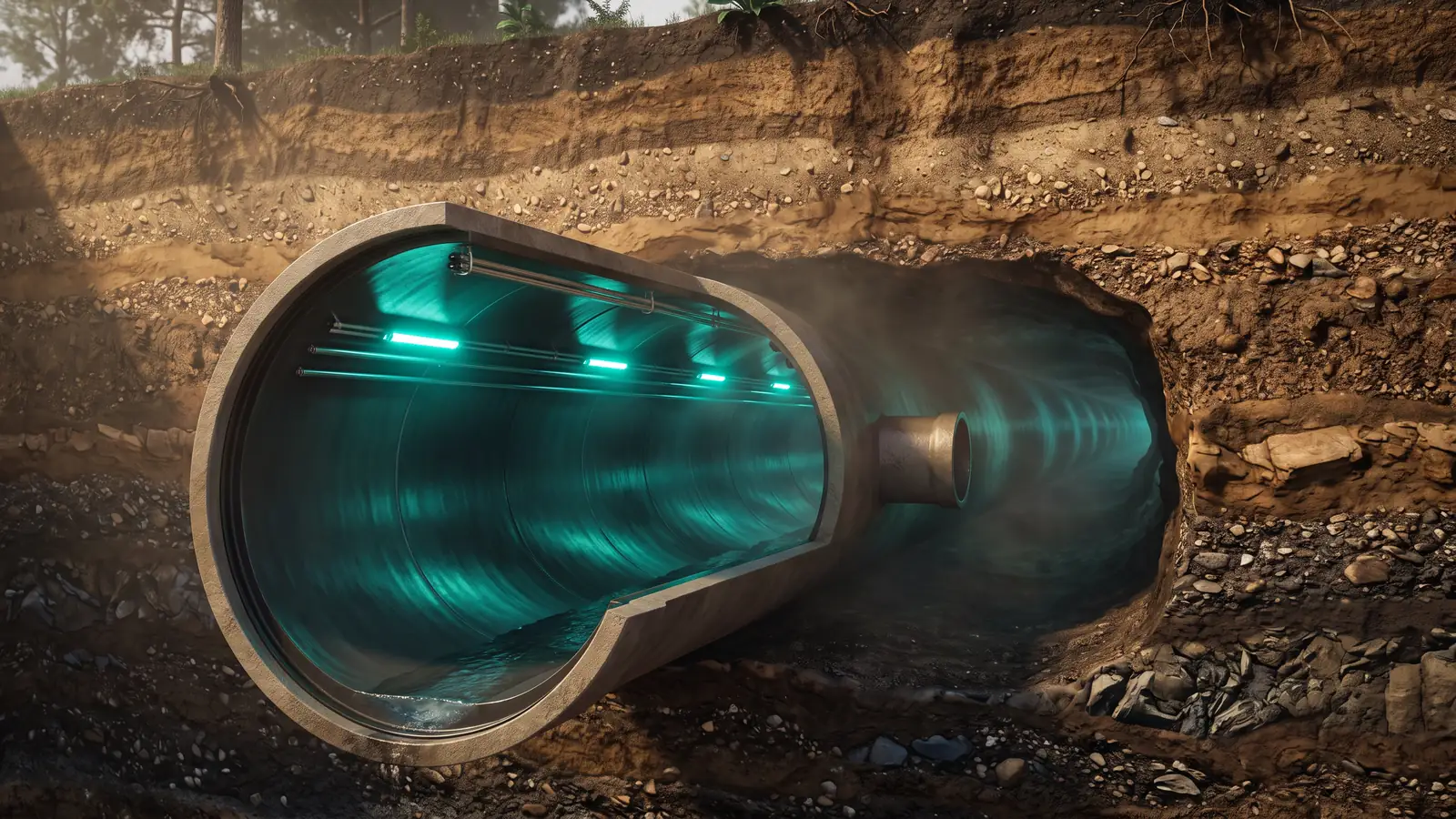
When a main is lined from end to end, the liner covers the openings where laterals join it. Until those openings are cut, nothing can flow in from the connected pipes. Reinstatement restores each connection.
It is a required step for any lined pipe with connections.
How the cutter works
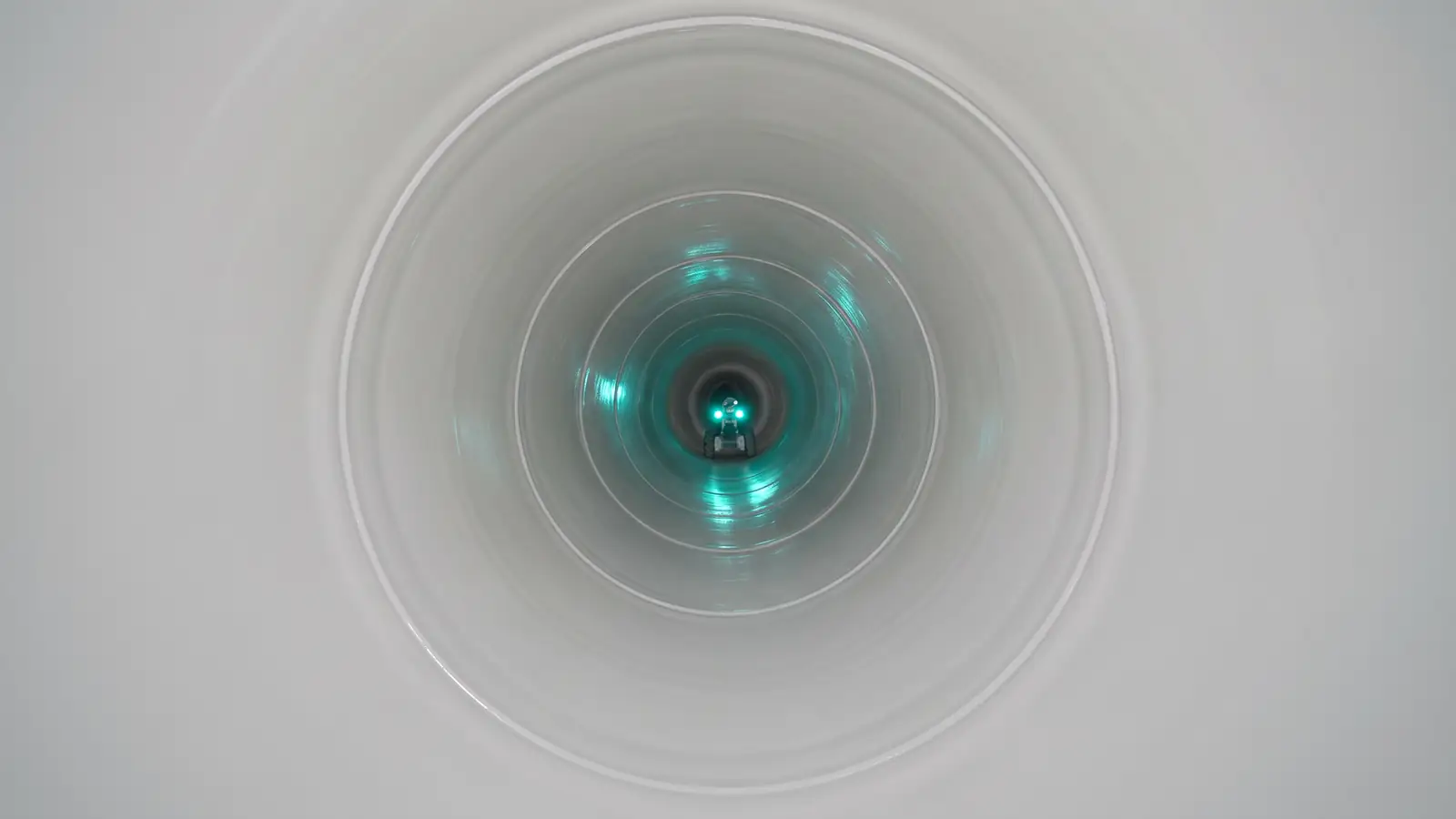
A remote-controlled cutting robot with a camera travels inside the lined pipe. The operator drives it to each connection, which was mapped before lining, and uses a rotating cutter to open a clean, round hole in the cured liner at that point.
The camera guides the position and size of each cut.
Cleanup and checking
Cut pieces of liner are retrieved or flushed out of the pipe so they cannot catch downstream. Each opening is inspected on camera for a clean, round edge and full size.
A final pass records every connection.
Common questions
Can the cutter damage the liner? A skilled operator cuts cleanly through the cured liner and does not damage the surrounding wall. What if a connection was missed? A camera pass shows it, and it can be reinstated afterward.
Mapping before lining is what makes this accurate.
Quick answers
Does every lined pipe need reinstatement?
Only pipes with side connections, which is most mains and many laterals.
How are cleanouts handled?
A cleanout is not a side connection and usually stays open as the access point.
Have a pipe question?
Call (615) 952-0844 or send the form below, and we will suggest a recorded camera inspection and the options that fit.