Hydro-Jetting Before Lining in Nashville and Middle Tennessee
A liner can only bond to a clean pipe. High-pressure water scours grease, scale and debris out of the line before anything is installed.
- Inspection and Preparation
- Works from existing access
- Middle Tennessee
Hydro-Jetting Before Lining, explained.
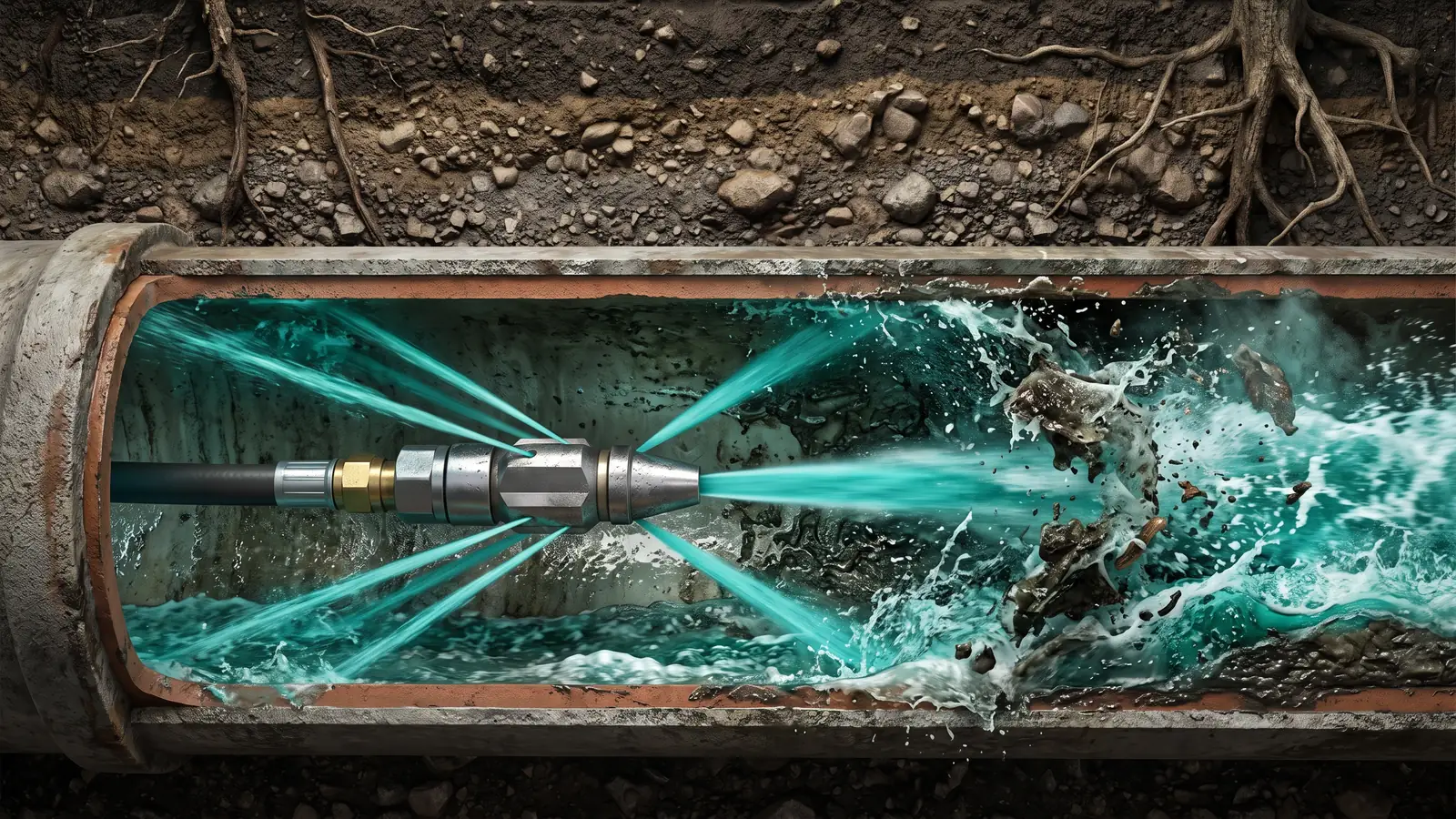
Lining over a dirty pipe is a recipe for a poor result. Grease, scale, sludge and debris prevent a liner from seating against the pipe wall and can leave wrinkles and voids. Hydro-jetting uses a nozzle on a high-pressure hose to scour the pipe clean with water.
The jetter moves down the line, pushing debris ahead of it and out. We choose pressure and nozzle for the pipe so old, fragile pipe is not damaged, and we pair jetting with a camera so we can see the result. Jetting is a standard step before any CIPP job and is also a good maintenance service on its own.
Signs this service fits
- A line carries grease or heavy buildup
- A camera shows sludge, scale or debris along the walls
- Lining is planned
- Slow drains return after simple snaking
A good fit, and what to know.
We would rather you hear the limits from us than discover them later.
A good fit when
- Any line headed for lining
- Grease-laden lines
- Properties that want a periodic cleaning
Worth knowing
- Severely cracked or collapsed pipe can be damaged by high pressure, so we choose a gentler method
- Jetting cleans the pipe but does not repair it
Why choose this one.
Better liner fit
A clean wall lets the liner seat tight.
Cleans the whole circumference
Water reaches the entire wall, not just a channel through the middle.
Controlled pressure
Settings are matched to the pipe.
Verified clean
Camera confirms the result.
Before and after: roots in clay pipe
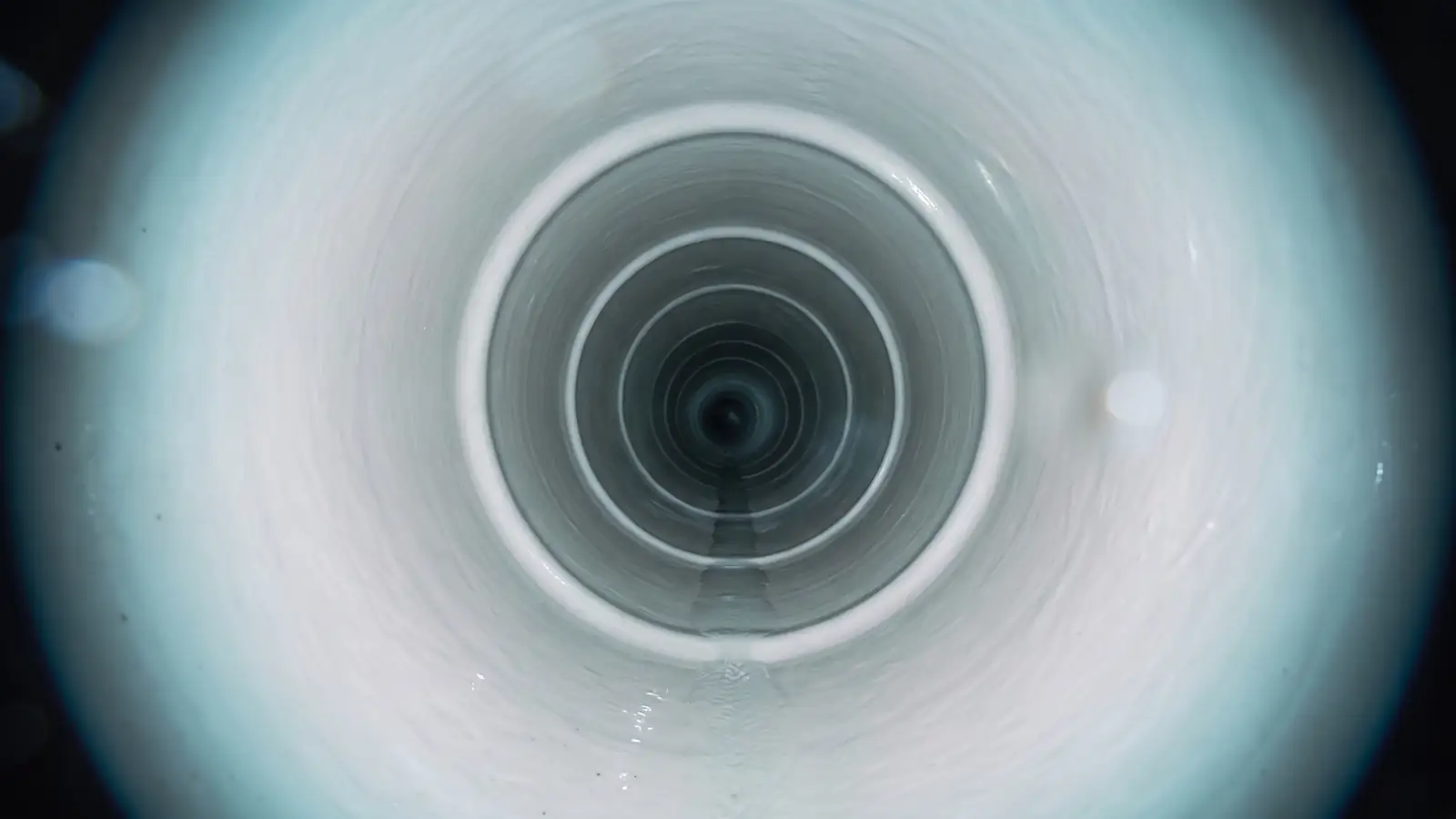
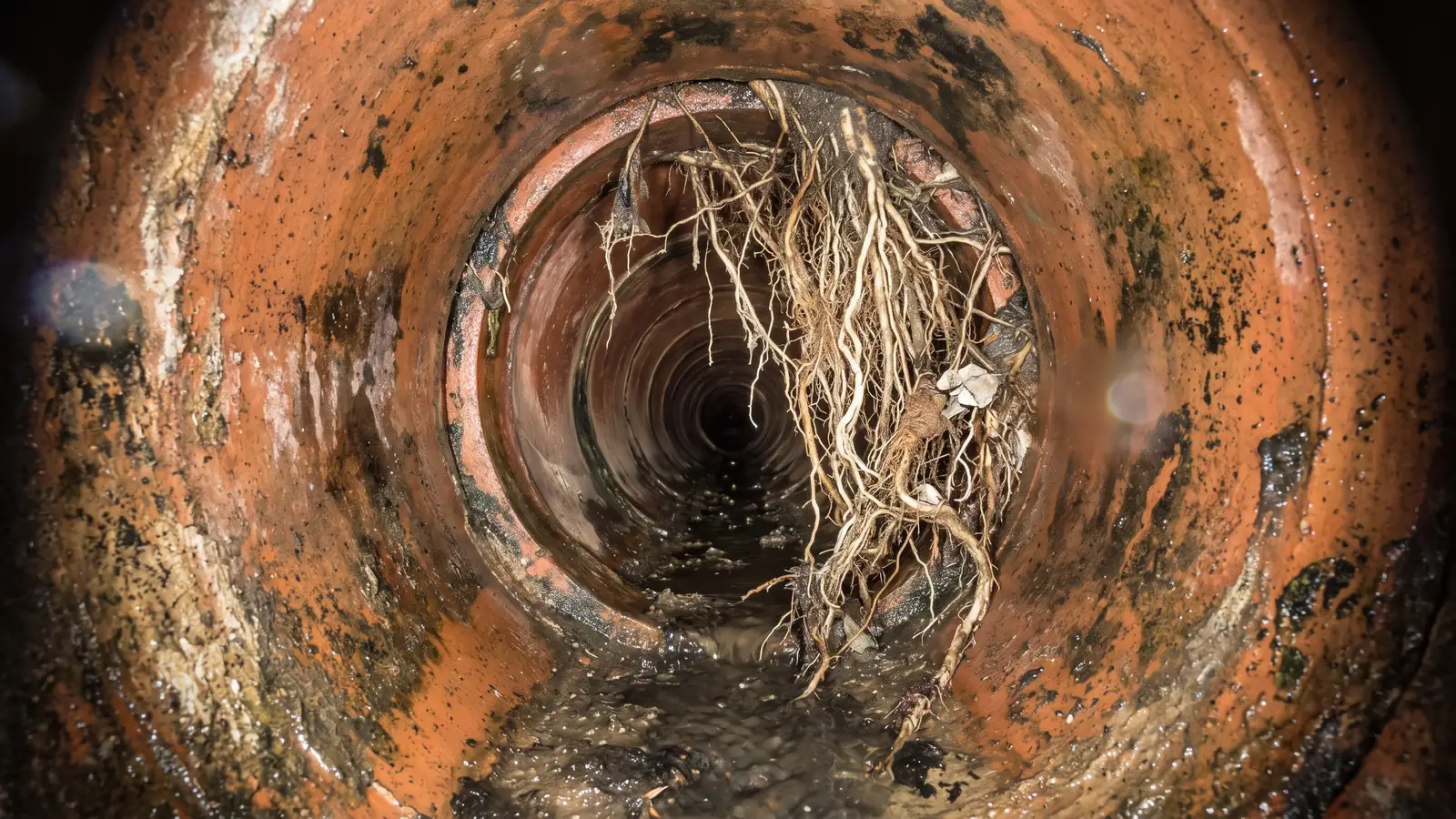 AfterBefore
Illustrative scene created to show a typical condition before and after a trenchless repair. Drag the handle to slide between them.
From first look to finished pipe.
A clear sequence for every job.
- 01
Camera first
We camera the line so we know the pipe condition before applying pressure.
- 02
Choose settings
Pressure and nozzle are chosen to suit the pipe material and condition.
- 03
Jet the line
The nozzle travels the length of the pipe, scouring the walls clean.
- 04
Check on camera
A second pass shows the cleaned pipe is ready for lining.
Services that go together.
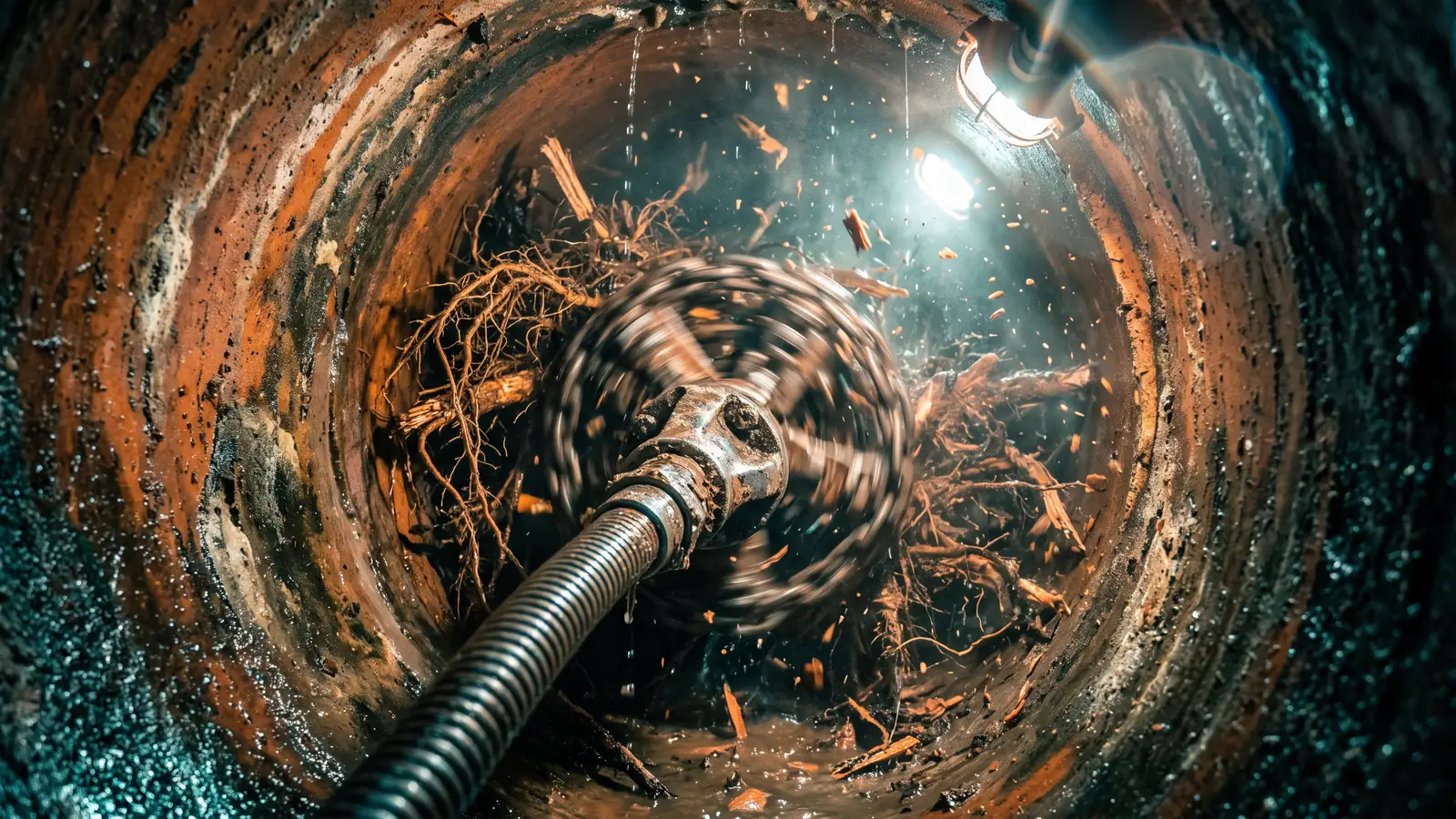 C-03InspectionRoot Cutting Before LiningRoots that have grown into a sewer pipe have to come out before a liner goes in. Cutters…No digSee the service
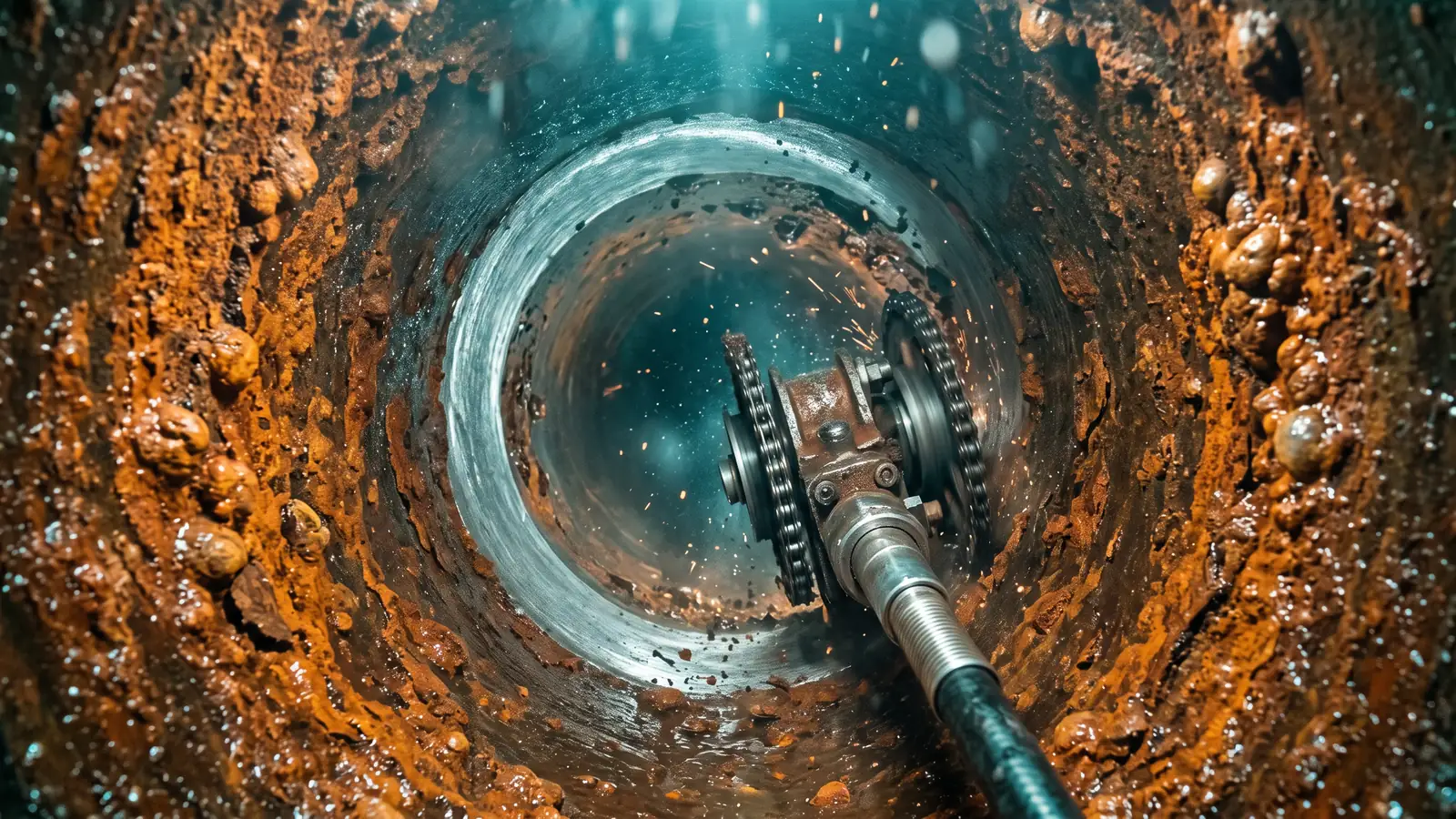 C-04InspectionDescaling and Cast Iron PrepOld cast iron grows rough scale inside. Descaling removes it so the pipe can be lined or coated…No digSee the service
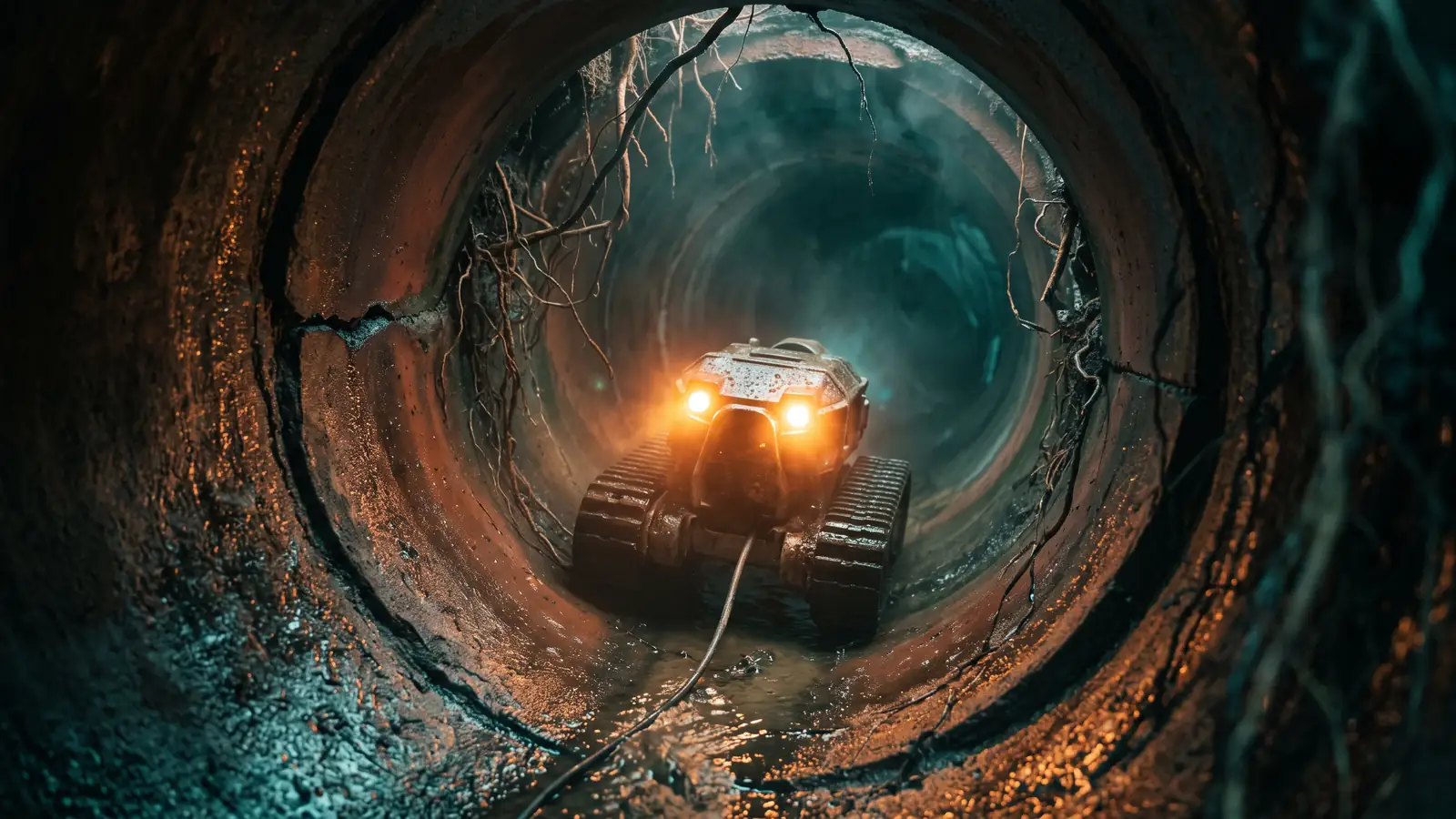 C-01InspectionPre-Lining Camera InspectionEvery trenchless repair starts with a recorded camera run through the pipe, so the repair method fits what…No digSee the service
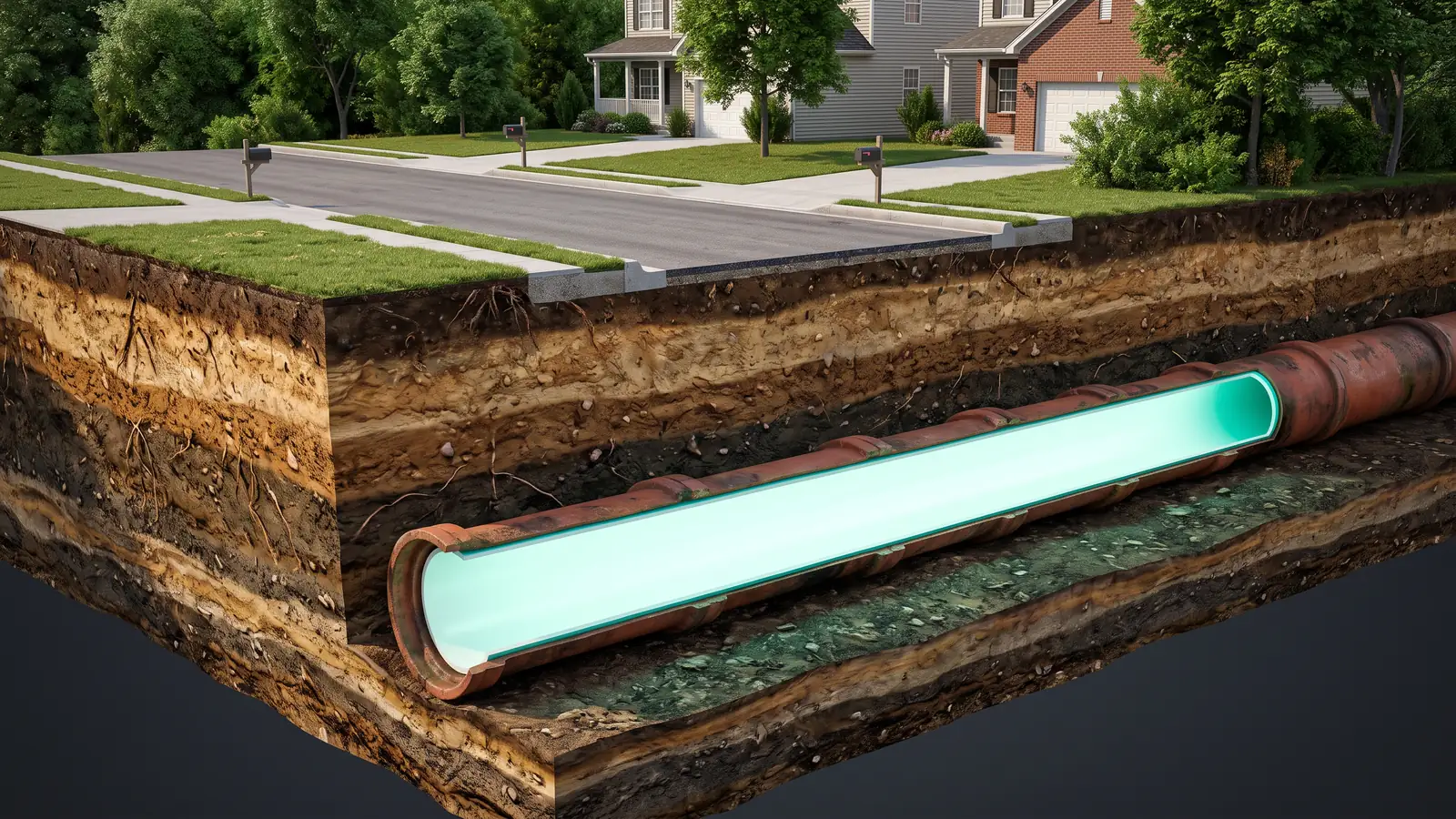 A-01CIPP LiningFull-Length CIPP LiningA resin-soaked liner is cured inside your old sewer pipe from end to end, leaving a smooth new…Small access pitSee the service
Read more on this topic.
GUIDE 26 · Trenchless MethodsWhy Hydro-Jetting Comes Before LiningA liner is only as good as the surface it sits on. Here is what jetting does and why it…2 min read 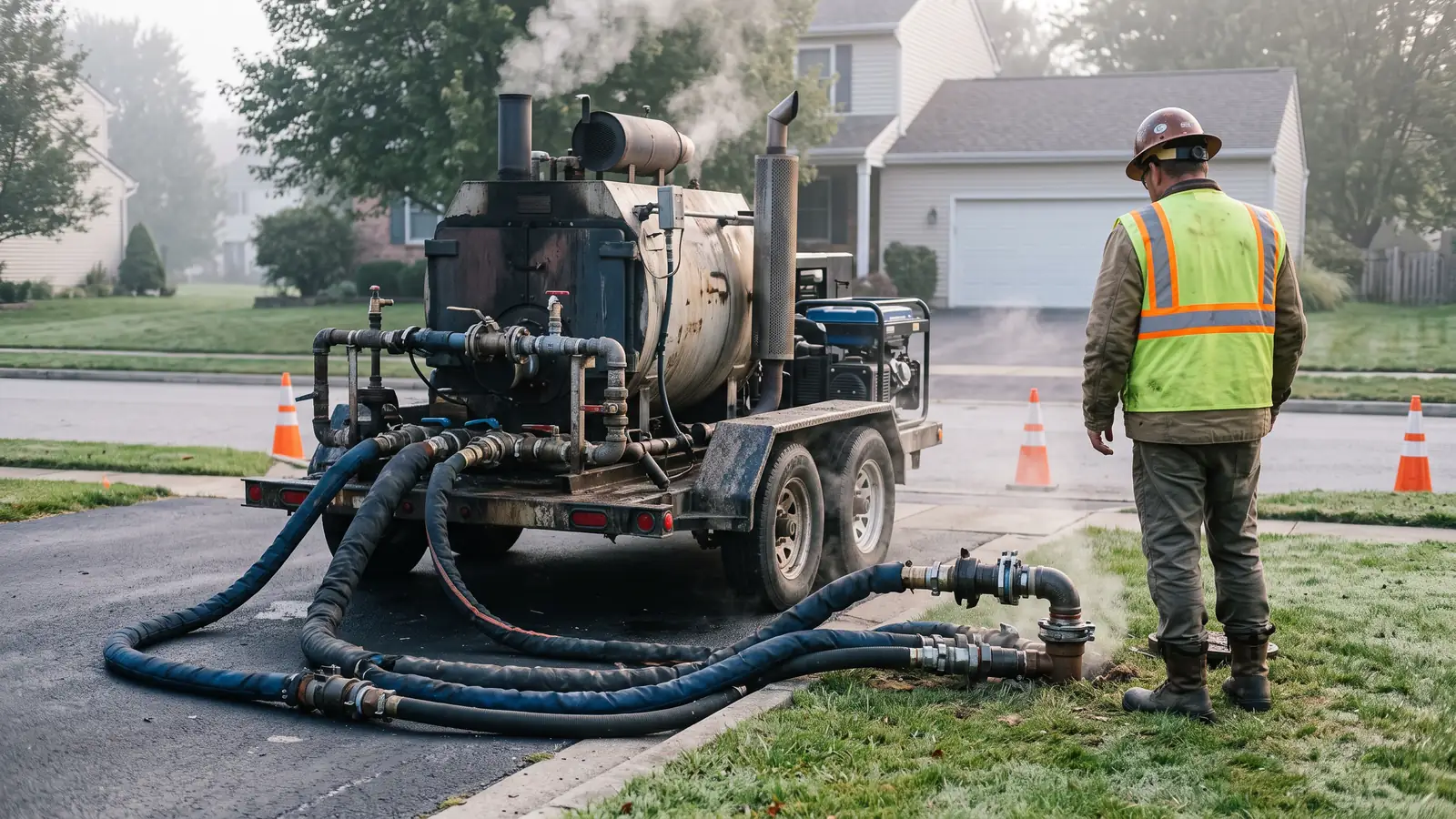 GUIDE 02 · CIPP LiningHow CIPP Lining Works, Step by StepFrom the first camera run to the final video, here is exactly what happens on a lining day.2 min read GUIDE 38 · Care and PreventionWhat Not to Flush or Pour Down Your DrainsA short, honest list of things that cause blockages and hurt old pipes.2 min read
Hydro-Jetting Before Lining FAQ.
Can jetting damage old pipe?
High pressure in the wrong hands can. We camera the pipe first and set the pressure to the pipe so fragile sections are protected.
Is jetting enough to fix roots?
It clears roots from the pipe, but they can grow back if joints are open. Lining the pipe afterward closes those gaps.
Does jetting use a lot of water?
It uses water in a controlled flow during the cleaning. We plan around it and manage the discharge.
Hydro-Jetting Before Lining across Middle Tennessee.
Pick your city for its page.
Fix the pipe. Keep the yard.
Tell us about your pipe and we will suggest a camera inspection and the least disruptive repair that fits.