Offset and Separated Joint Repair in Nashville and Middle Tennessee
When one pipe section slips sideways or pulls apart from the next, a liner can bridge small offsets and seal the gap.
- Problems We Repair
- Works from existing access
- Middle Tennessee
Offset and Separated Joint Repair, explained.
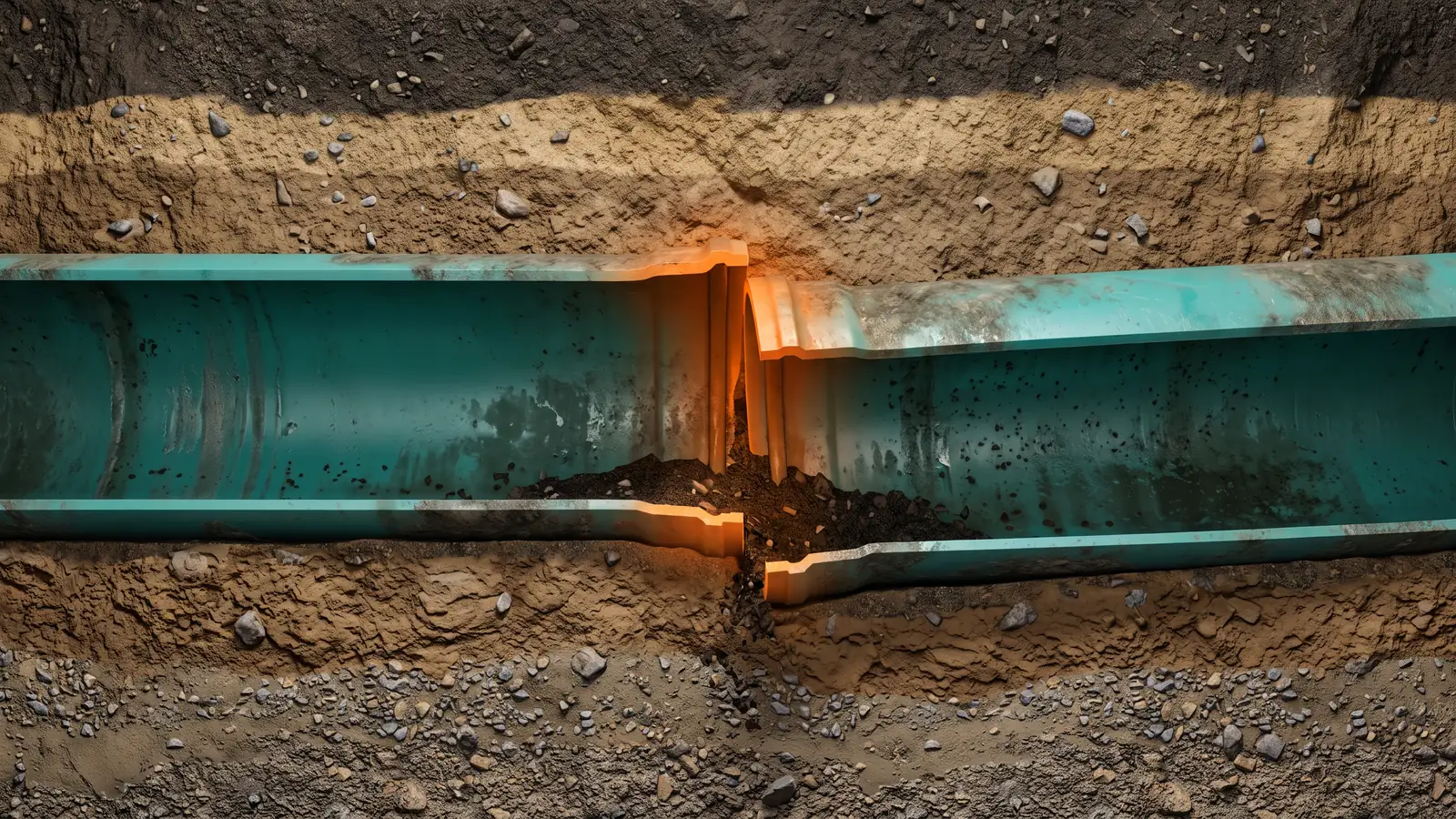
Sewer pipes are laid in sections. When the soil shifts, settles or washes out underneath, one section can slip sideways or drop relative to the next, leaving a ledge, or two sections can pull apart and leave a gap. Ledges catch debris and gaps let in roots and soil.
Small offsets can be bridged by a liner, which smooths the ledge and seals the gap. Large offsets are different: a liner follows the shape of the pipe, so a big step or a wide separation may need excavation to realign the pipe. The camera and sometimes a locator show how large the offset really is, and we recommend accordingly.
Signs this service fits
- A camera shows a ledge or step between pipe sections
- Debris and paper catch at the same spot
- Roots or soil enter at a separated joint
- Recurring backups at one location
A good fit, and what to know.
We would rather you hear the limits from us than discover them later.
A good fit when
- Small ledges and gaps at joints
- Otherwise sound pipe
- Lines where excavation would be disruptive
Worth knowing
- Large offsets and wide separations may require excavation to realign
- A liner cannot cure the soil movement that caused the offset
Why choose this one.
Smooths the ledge
A liner reduces the step that catches debris.
Seals the gap
Roots and soil lose their way in.
No trench
Repair from inside the pipe.
Honest limits
We tell you when an offset is too large for a liner.
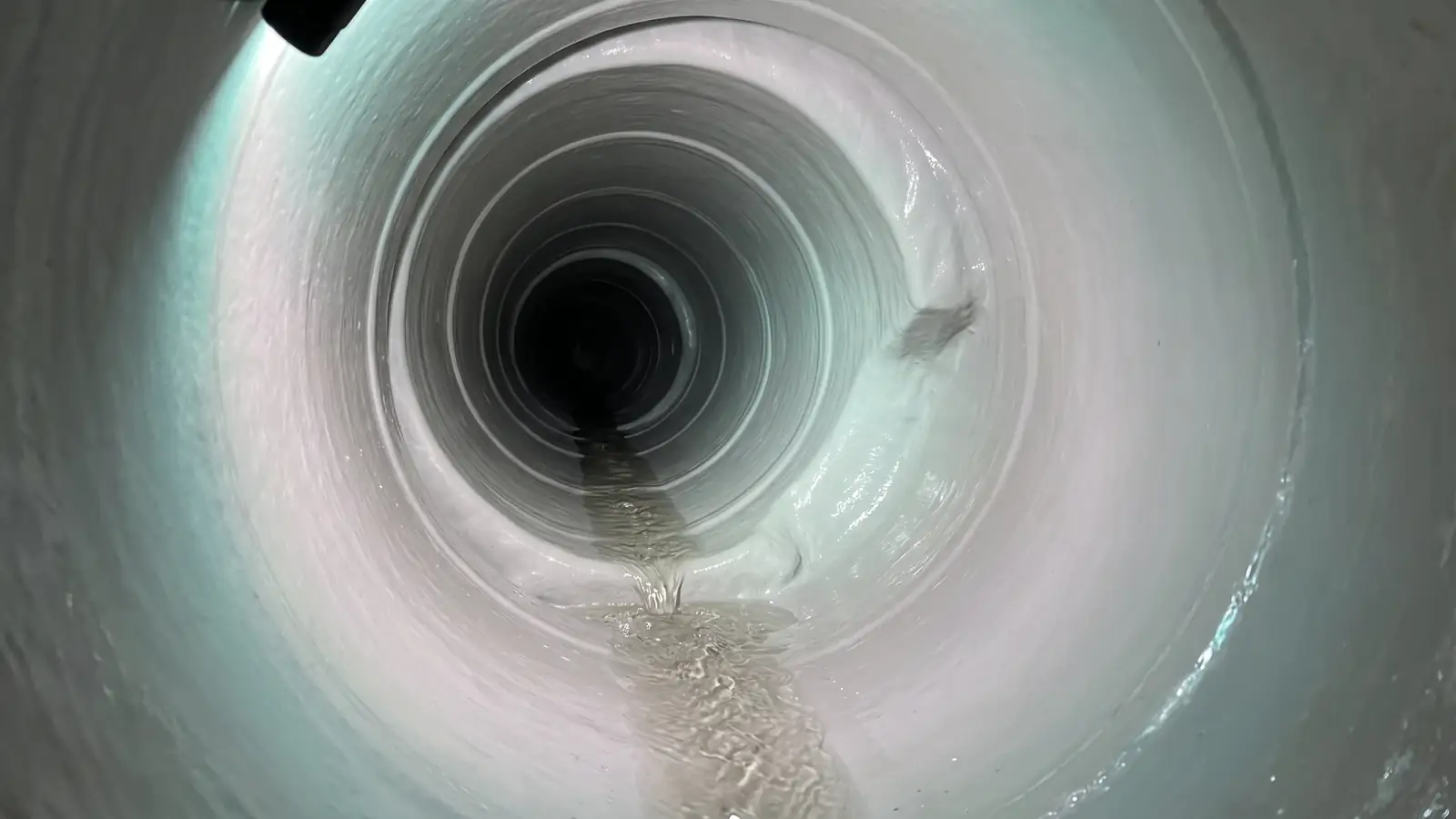
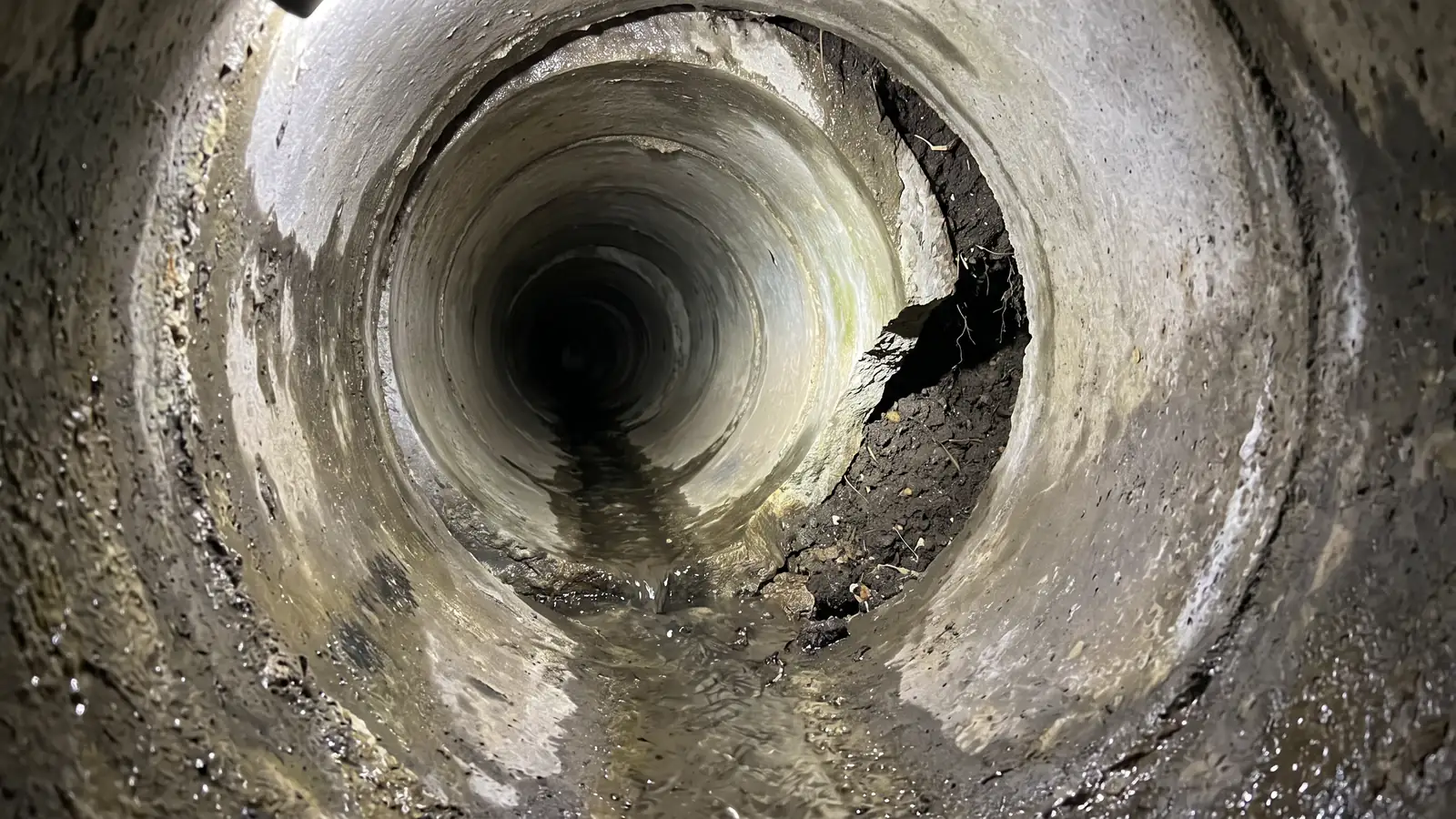
Before and after: offset joint
 AfterBefore
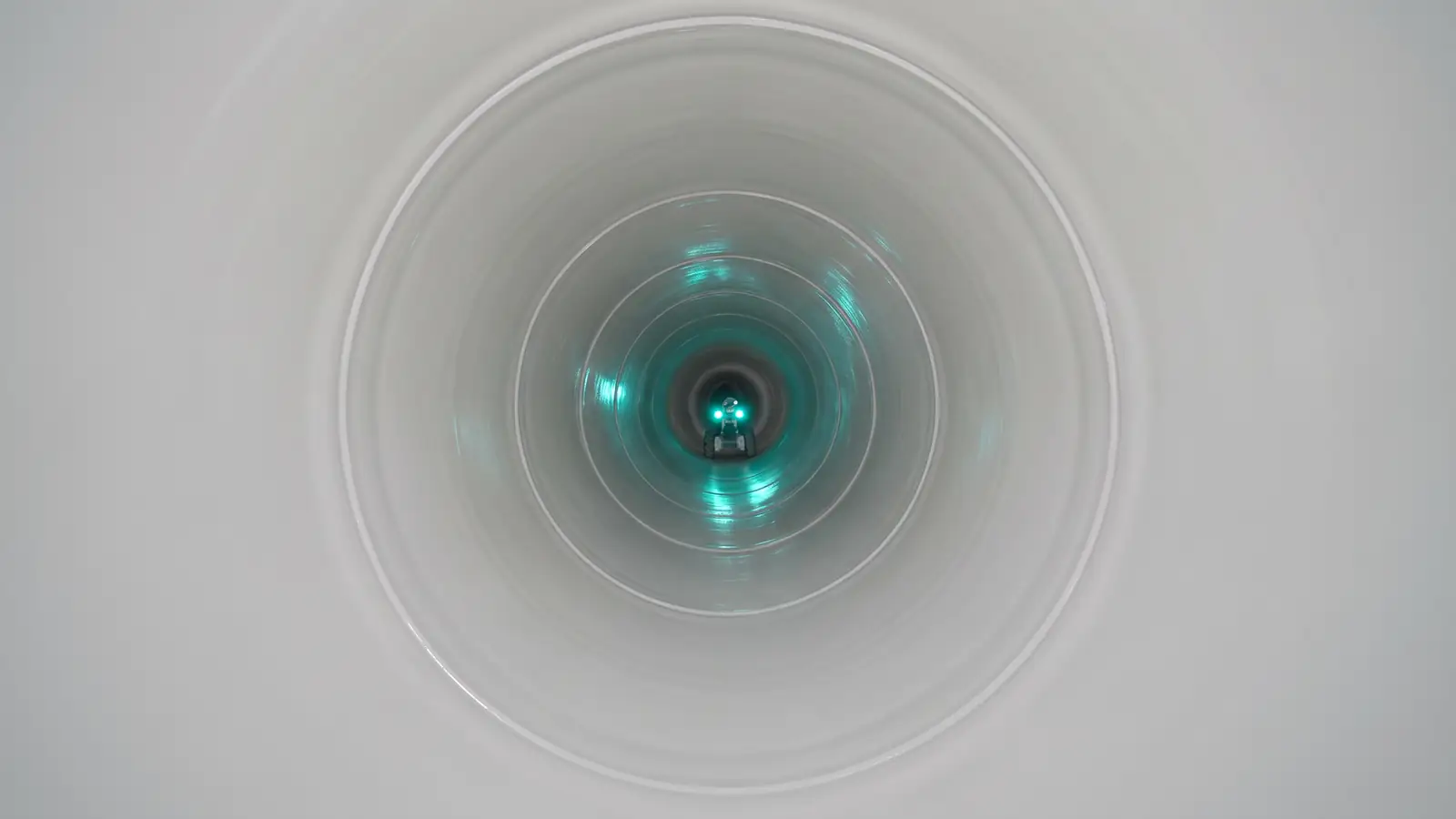
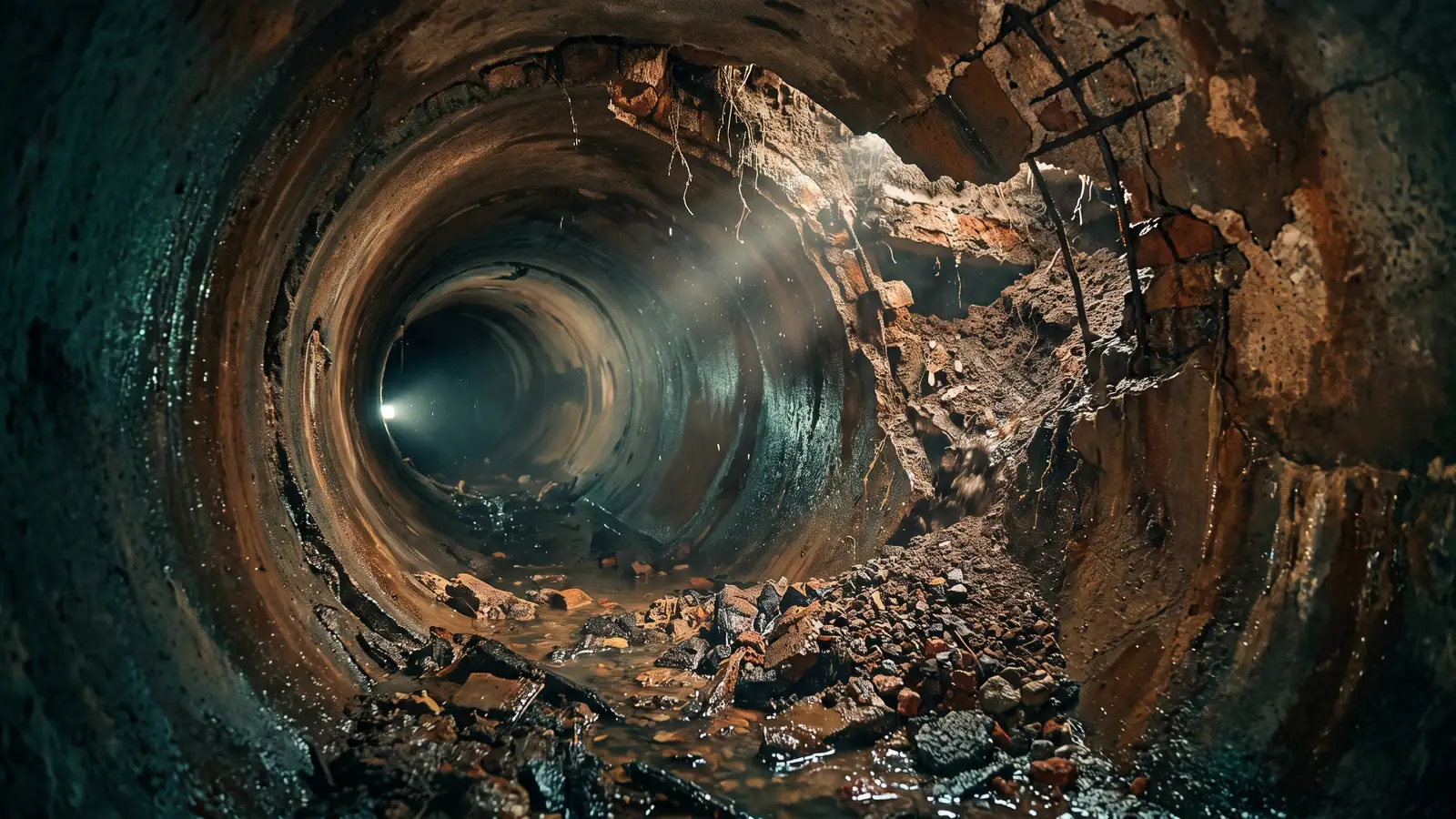
Illustrative scene created to show a typical condition before and after a trenchless repair. Drag the handle to slide between them.
From first look to finished pipe.
A clear sequence for every job.
- 01
Measure the offset
A camera shows the ledge or gap and how the pipe lines up on each side.
- 02
Clean the joint
Debris and roots at the joint are removed.
- 03
Bridge with a liner
A patch or full-length liner is installed across the joint and cured.
- 04
Check the result
A camera pass confirms a smooth transition across the joint.
Services that go together.
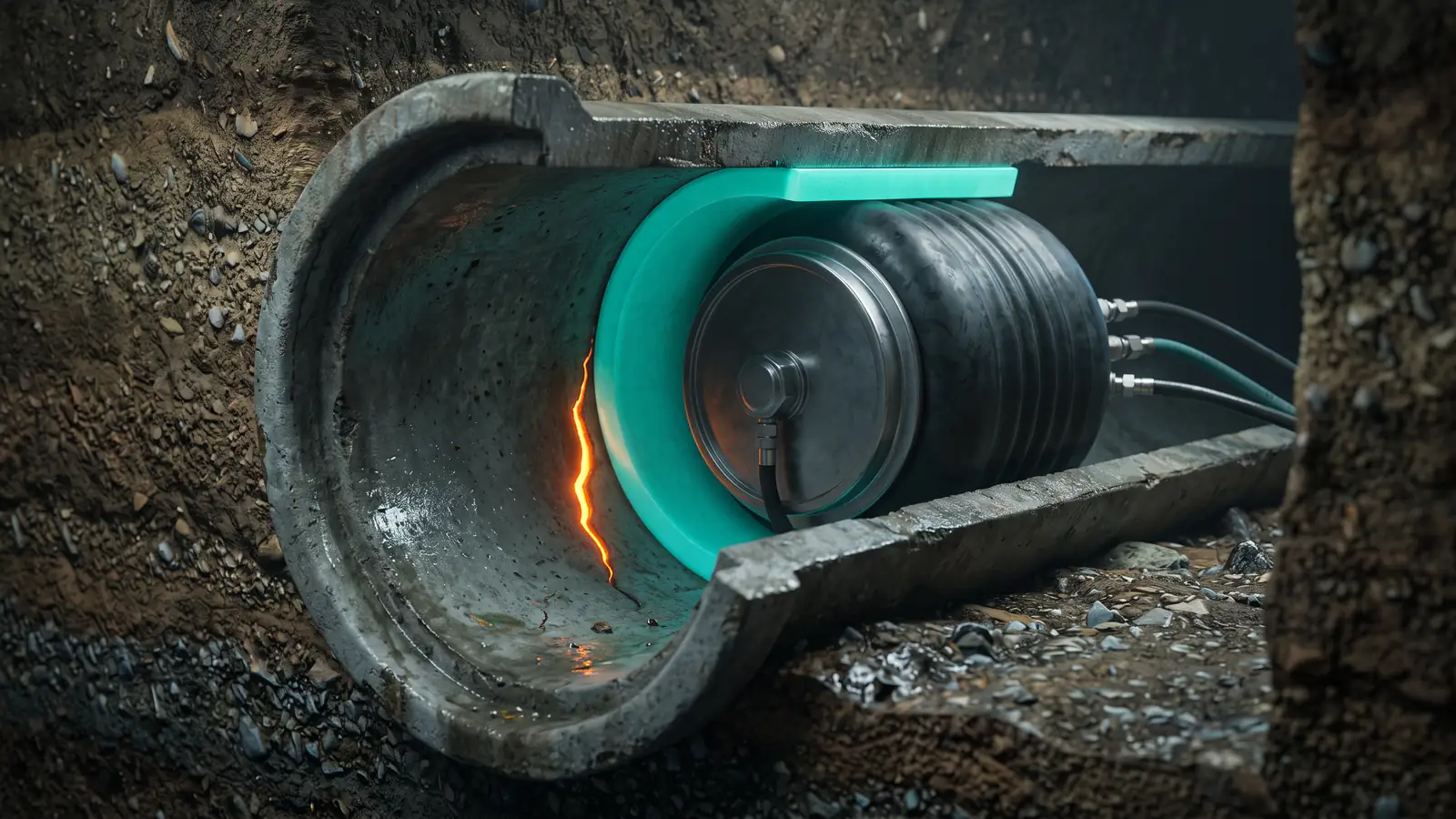 A-04CIPP LiningSpot and Point RepairWhen a camera shows damage in only one or two places, a short patch liner can repair them…No digSee the service
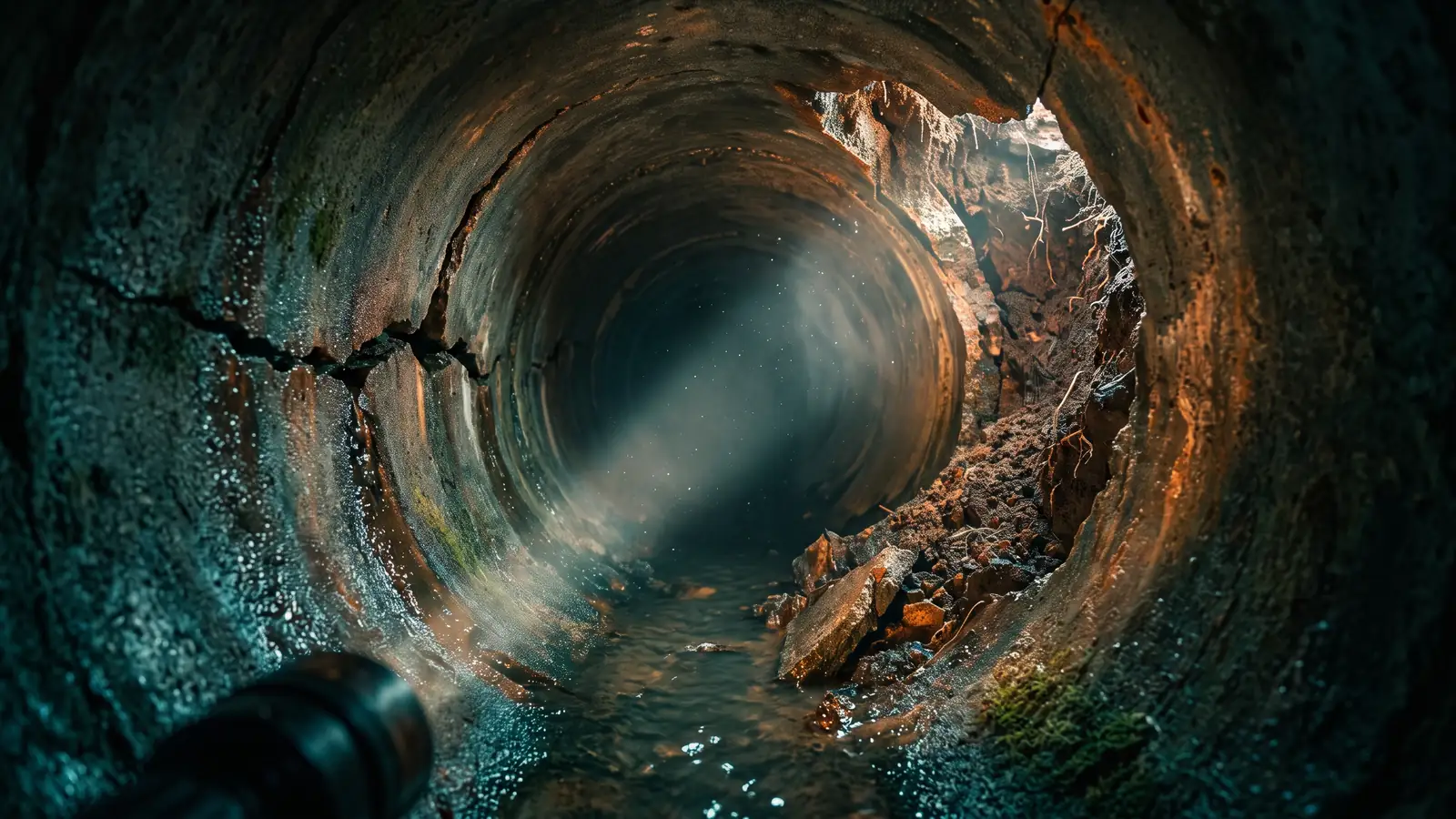 D-02ProblemsCracked and Broken Pipe RepairA cracked sewer pipe leaks wastewater into the soil and lets soil and roots in. Lining seals the…No digSee the service
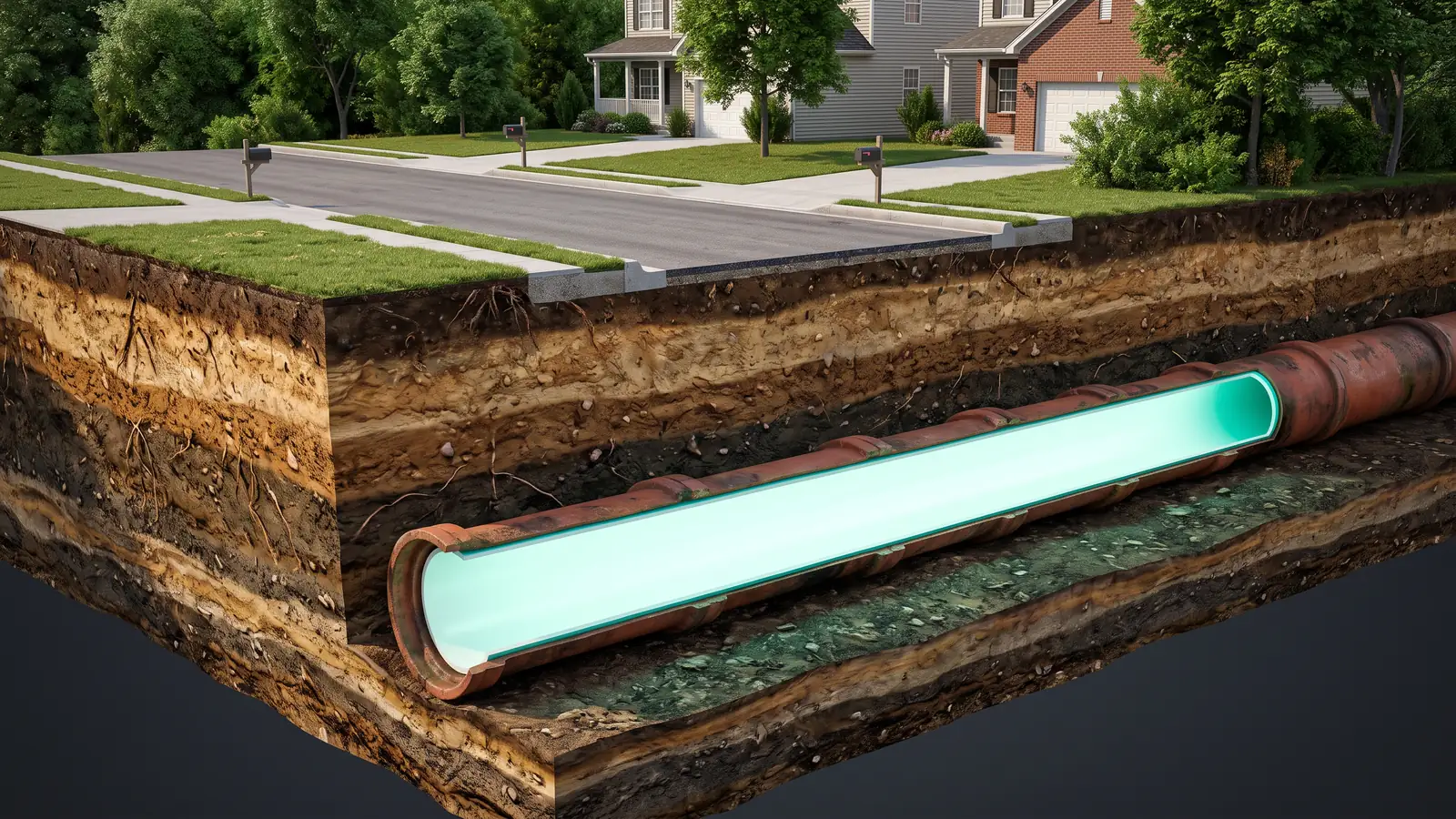 A-01CIPP LiningFull-Length CIPP LiningA resin-soaked liner is cured inside your old sewer pipe from end to end, leaving a smooth new…Small access pitSee the service
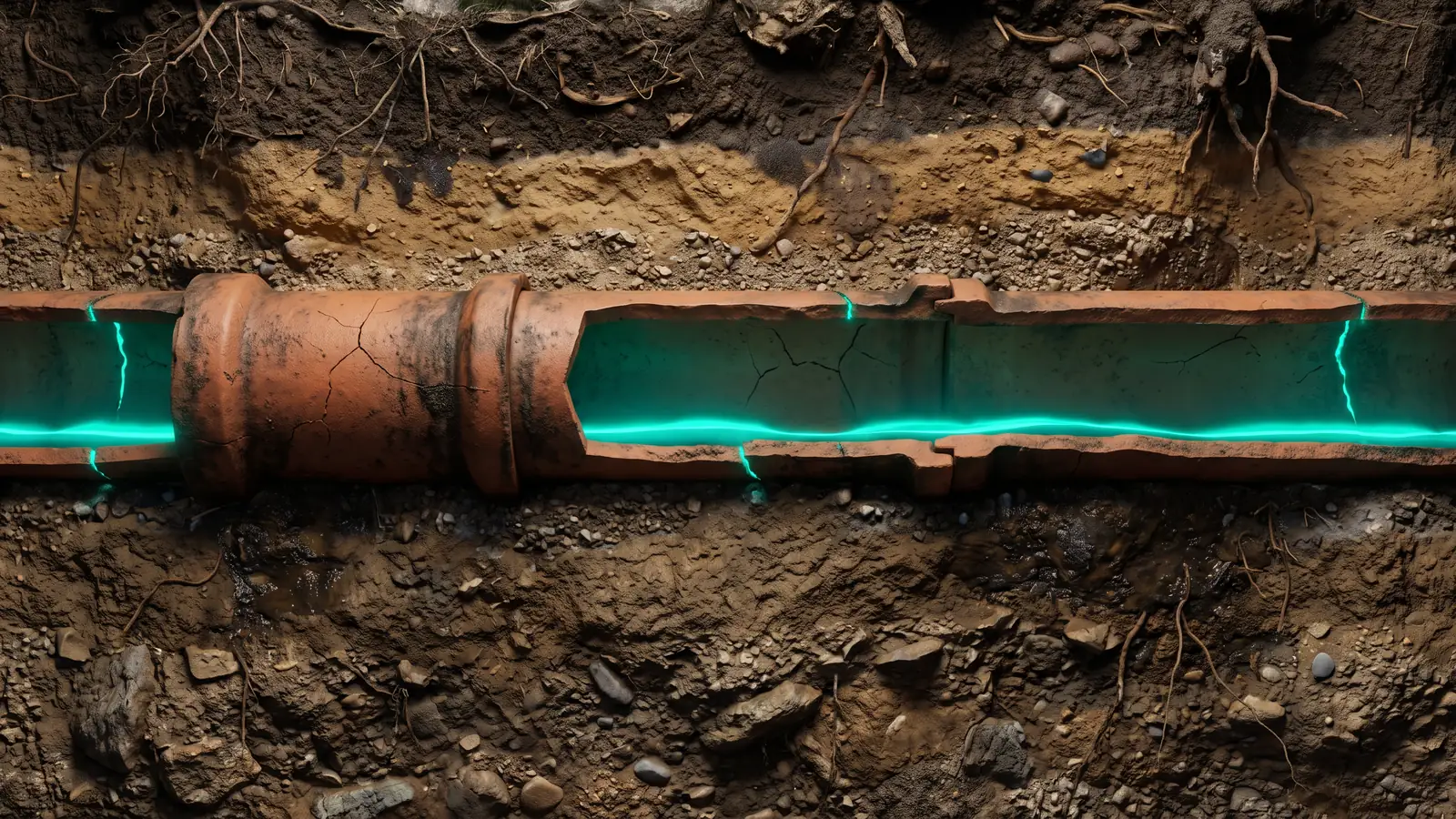 D-06ProblemsClay Pipe RepairClay pipe lasts a long time, but its many short sections mean many joints. Lining turns a joint-filled…No digSee the service
Read more on this topic.
 GUIDE 15 · Sewer Lines 101What a Sewer Camera Inspection ShowsWhat the camera sees, what it cannot see and how to use the results.2 min read
 GUIDE 16 · Sewer Lines 101How to Read a Sewer Camera ReportA short glossary of what the technician is pointing at on the video and what each finding means.2 min read
 GUIDE 29 · Trenchless MethodsWhen Trenchless Is Not the AnswerTrenchless is wonderful, but it is not magic. Here are the situations where digging still makes sense.2 min read
Offset and Separated Joints FAQ.
How big an offset can a liner handle?
Small offsets are fine. Large ones, or those combined with a gap or a sag, may be beyond what a liner can bridge. The camera and locate show which case applies.
Does the pipe move again after lining?
A liner makes the joint continuous, but it cannot stop soil from shifting if the cause continues.
Is a patch enough?
For a single offset in good pipe, a patch can be enough. If several joints are affected, a full-length liner usually is the better answer.
Offset and Separated Joints across Middle Tennessee.
Pick your city for its page.
Fix the pipe. Keep the yard.
Tell us about your pipe and we will suggest a camera inspection and the least disruptive repair that fits.