Key takeaways
- A collapsed or badly displaced pipe needs replacement
- A belly needs regrading by excavation
- Failed fittings and junctions often need a dig
- A good contractor says so before you spend money
Collapsed or displaced pipe
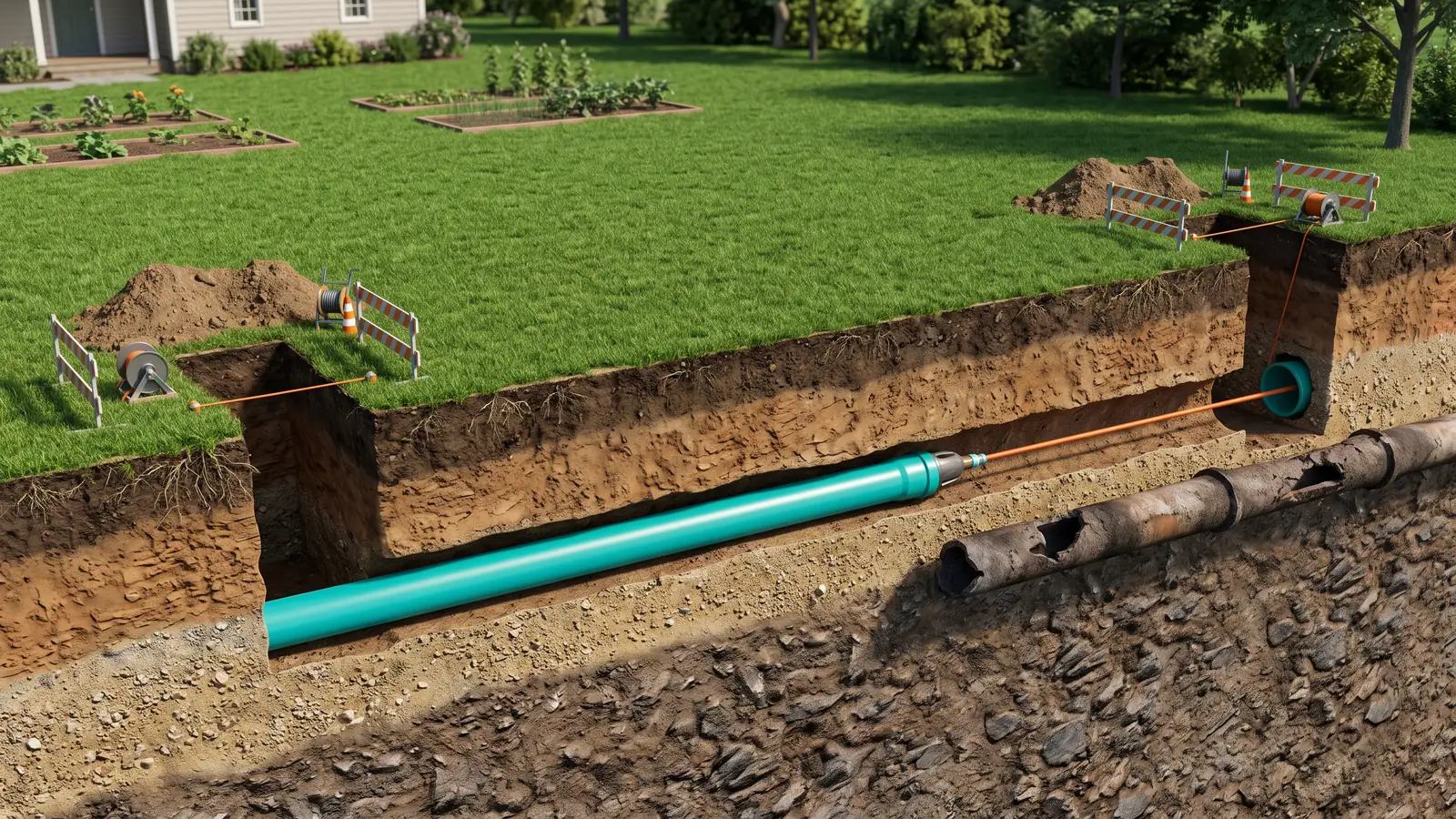
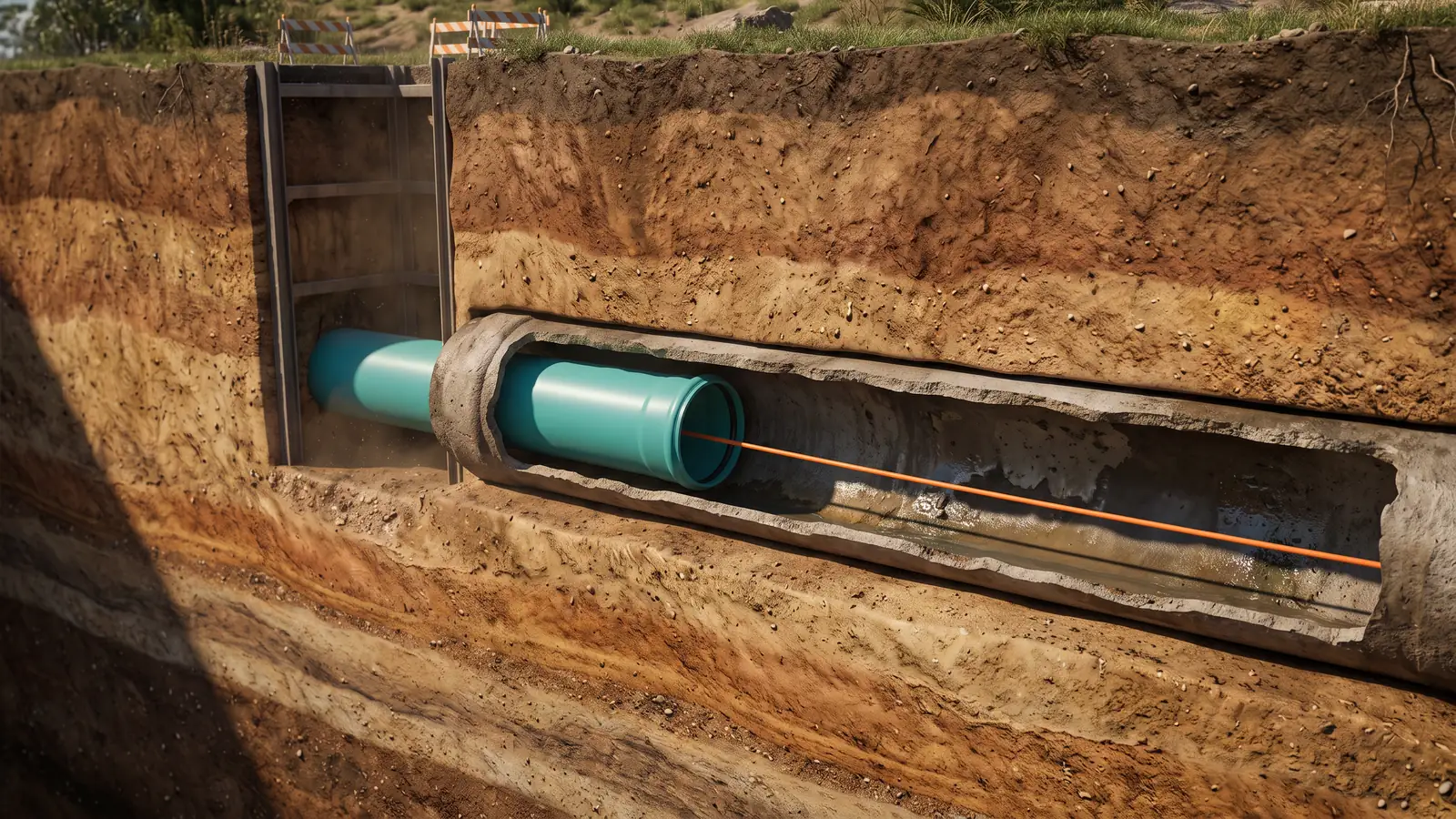
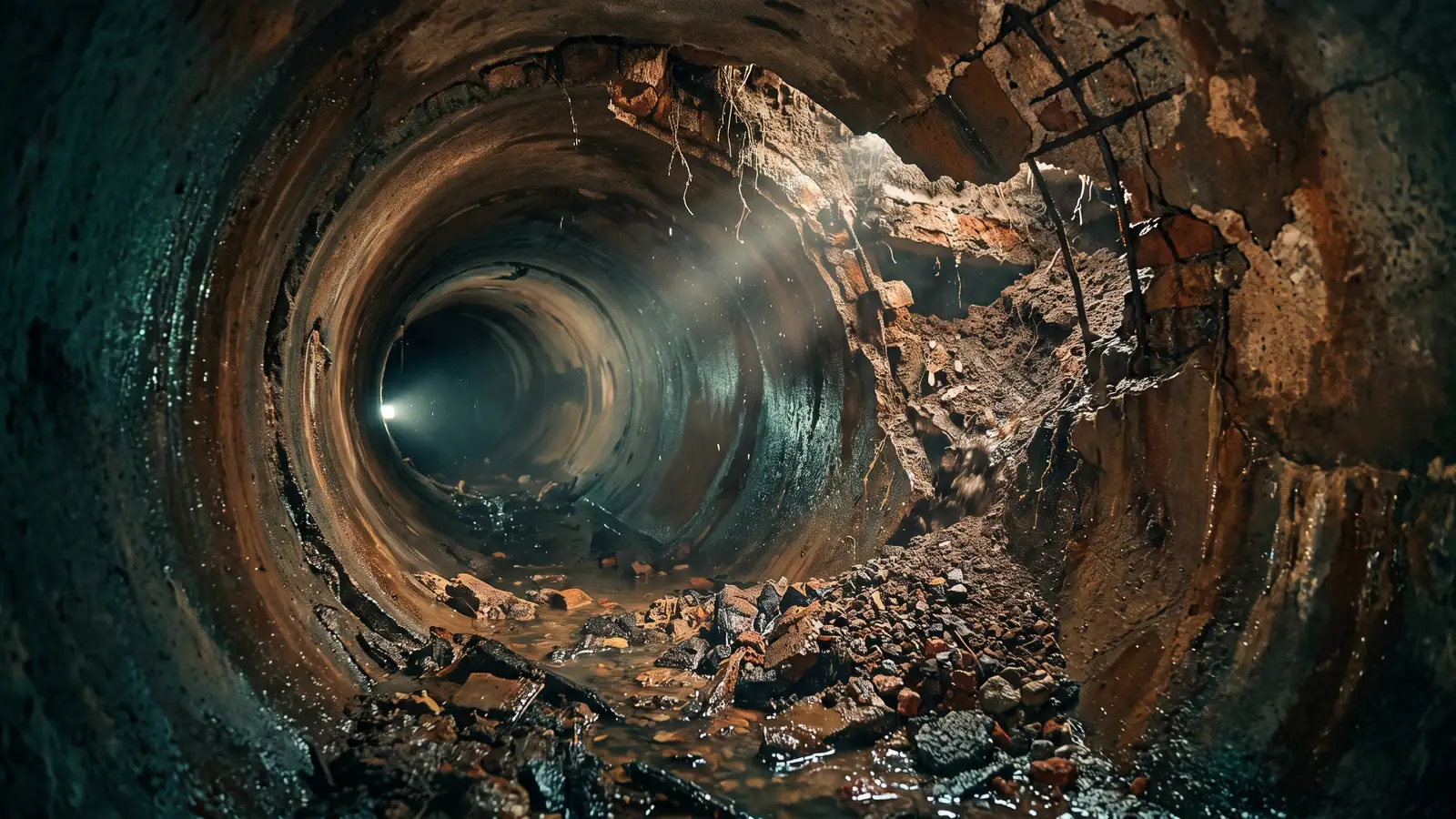
A liner needs a path to travel and a pipe to press against. A pipe that has collapsed, flattened or separated can block the way or leave no pipe to line. In those cases the pipe is replaced, ideally by bursting or from small pits, sometimes by a short targeted dig.
The camera shows how much has failed.
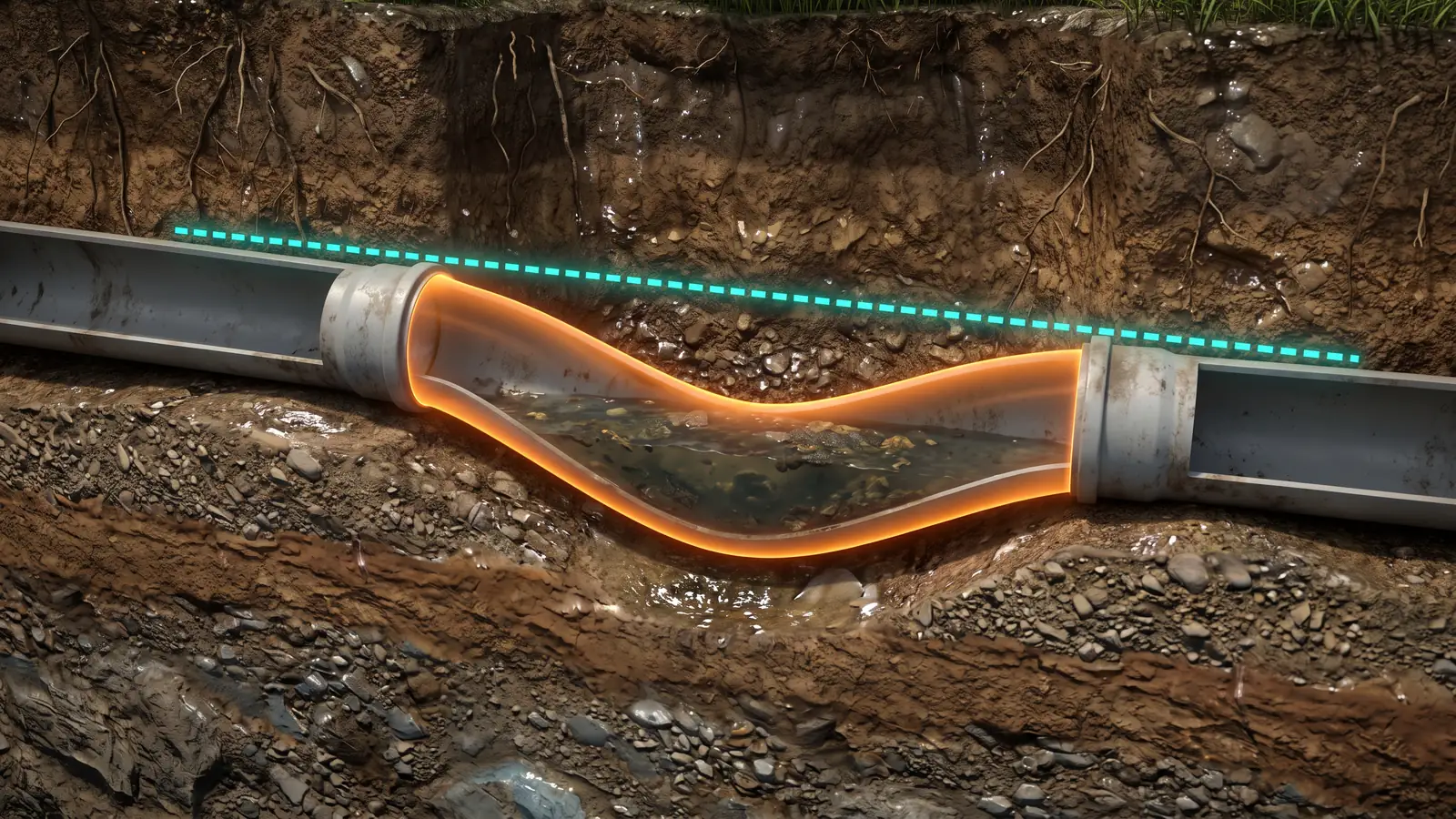
Sags and bellies
Lining and bursting both follow the existing path and grade. A belly is a grade problem, and it needs the pipe re-laid at the right slope, usually by excavating the low section.
Mild bellies can sometimes be managed with cleaning.
Failed junctions and fittings
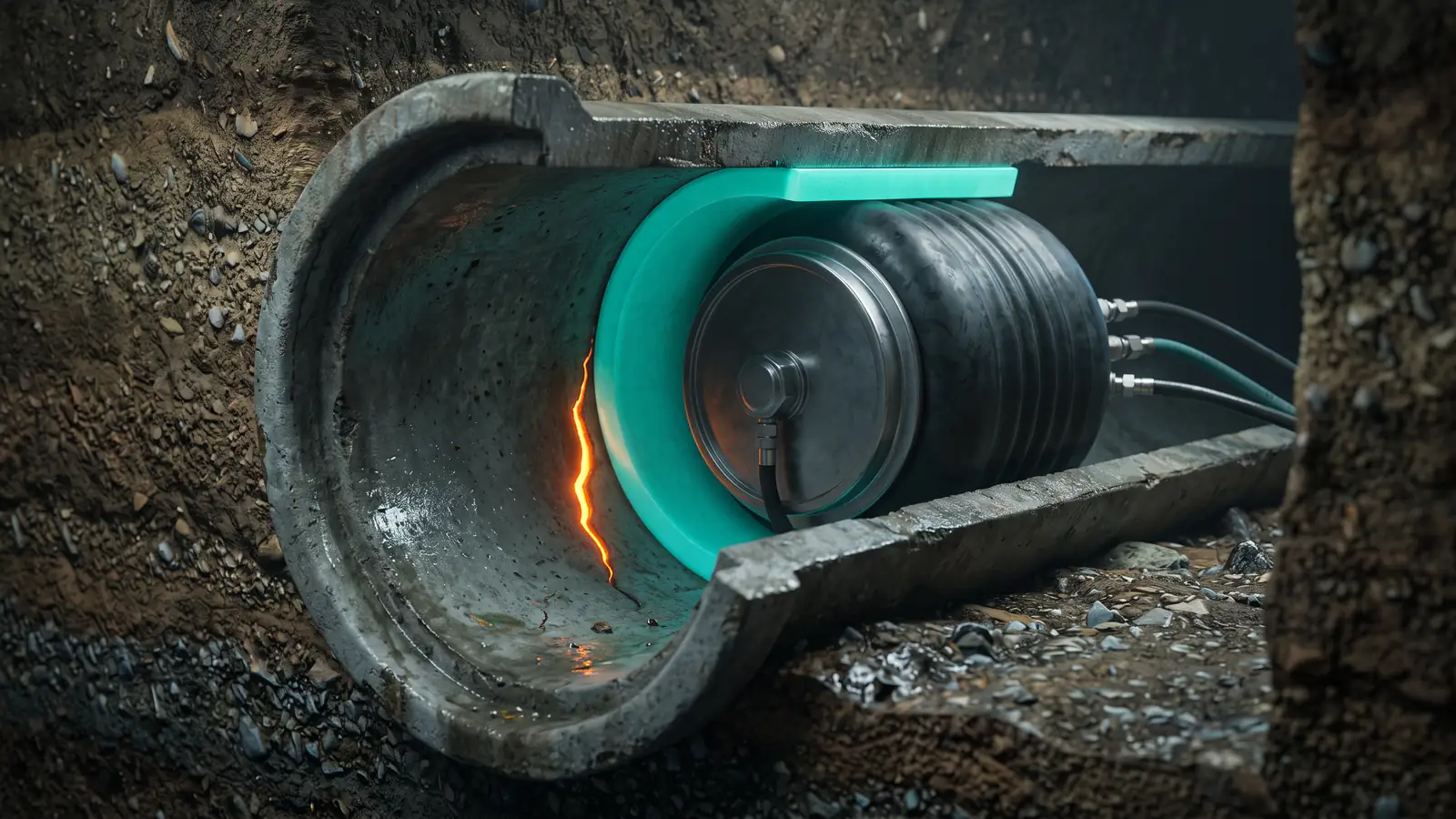
A broken tee, wye or fitting may be too short or too awkward for a liner to bridge. Some connections, such as a lateral that comes in at the wrong angle, may need to be rebuilt in open air.
Sometimes the answer is a small pit rather than a big trench.
How an honest recommendation looks
A trustworthy recommendation is based on a recorded camera inspection, explains why a method fits or does not, and shows the alternatives. It should tell you how much digging is truly needed and where.
If the only thing on offer is one method for every problem, get a second opinion.
Quick answers
Can a short dig still be better than a full trench?
Yes. Targeted excavation of only the failed section is far smaller than a full trench.
How do I know if my pipe is a good candidate?
A camera inspection tells you. We never recommend lining without one.
Have a pipe question?
Call (615) 952-0844 or send the form below, and we will suggest a recorded camera inspection and the options that fit.