Sliplining and Pipe Insertion in Nashville and Middle Tennessee
A smaller new pipe is pushed or pulled into a larger old pipe, a proven way to renew large storm and sewer lines.
- Trenchless Replacement Methods
- One or two small pits
- Middle Tennessee
Sliplining and Pipe Insertion, explained.
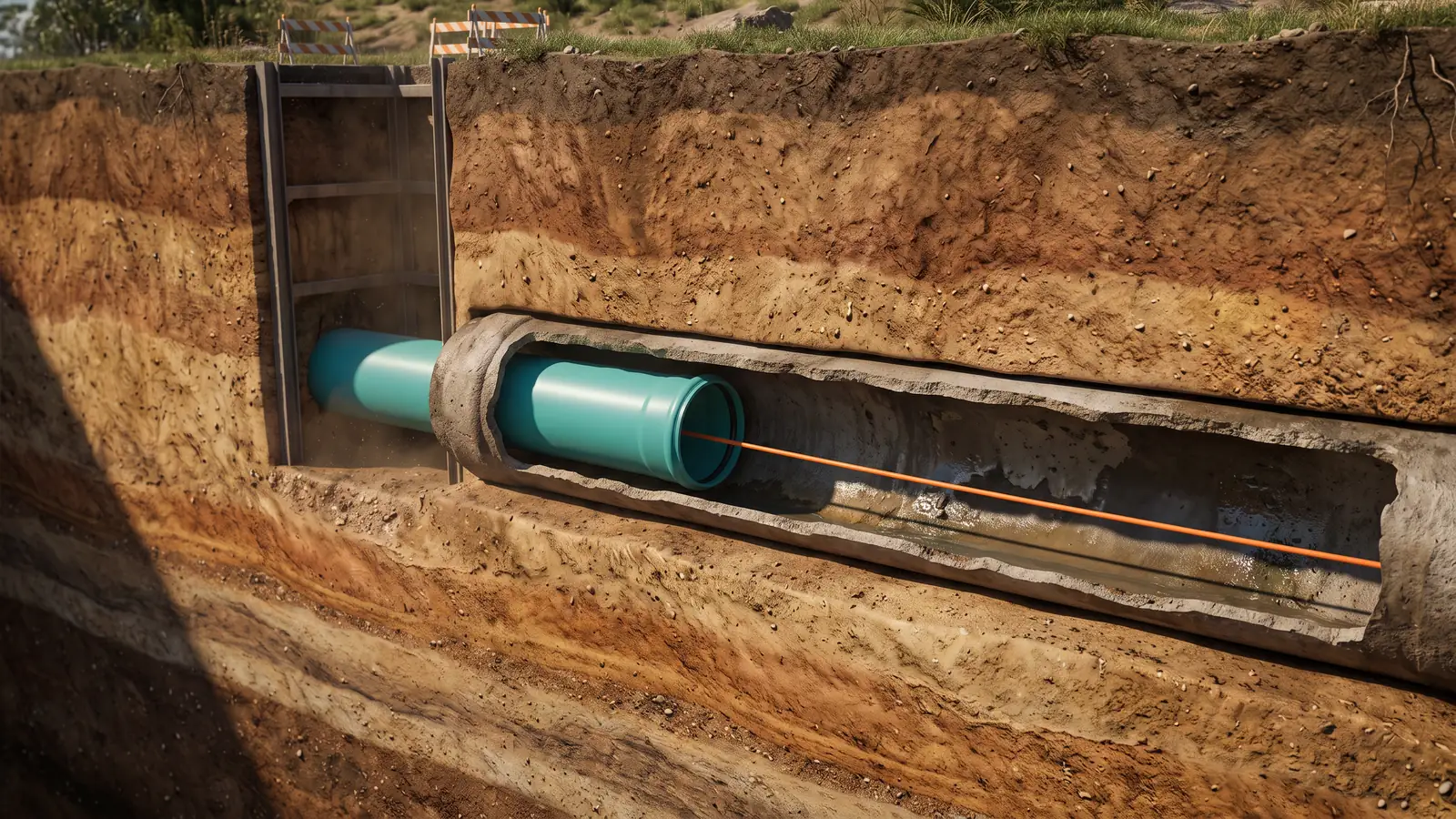
Sliplining is one of the oldest trenchless methods. A new pipe, smaller in diameter than the host pipe, is pushed or pulled through the old one from an access pit. The space between the two pipes is then filled with grout so the new pipe is supported and the old one is sealed.
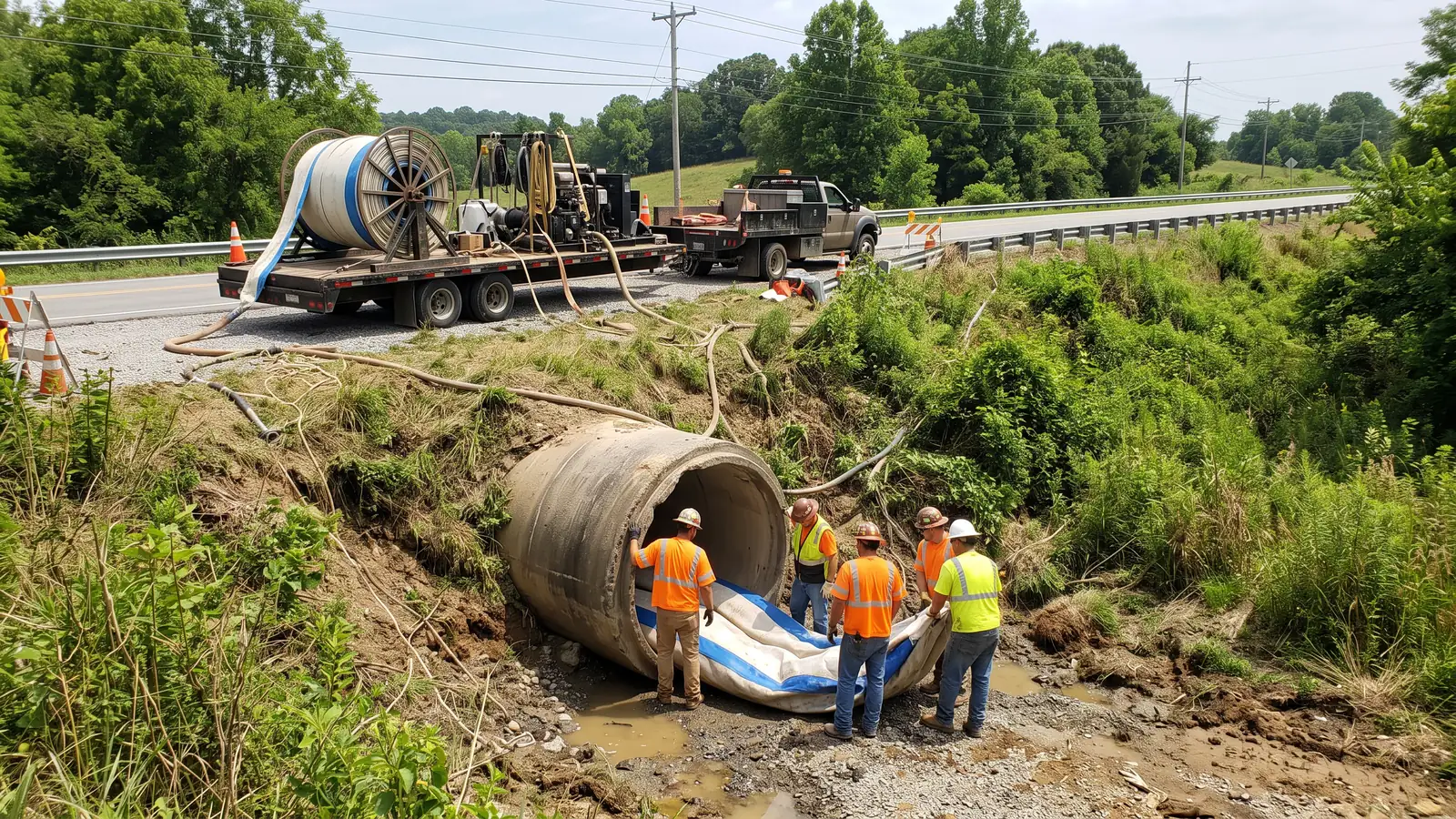
Because the new pipe is smaller, flow capacity drops somewhat, so sliplining suits large-diameter pipes with capacity to spare, such as big culverts and storm drains. For small residential laterals, lining with CIPP is usually the better tool. We use sliplining where it fits and explain the trade-offs honestly.
Signs this service fits
- A large storm pipe or culvert is failing
- The old pipe has room to spare for a smaller liner pipe
- A straight run with sound access at one end
- CIPP is not the best fit by size or condition
A good fit, and what to know.
We would rather you hear the limits from us than discover them later.
A good fit when
- Large-diameter storm pipes and culverts
- Straight runs with good end access
- Pipes where grout-filled insertion is a good structural answer
Worth knowing
- Small residential pipes are usually better served by CIPP
- Heavily bent runs may need another method
Why choose this one.
Proven method
A long-established way to renew large pipes.
Little surface disruption
Work from small pits instead of a continuous trench.
Structural renewal
The new pipe carries load independent of the old pipe.
Handles large sizes
Suited to culverts and storm drains.
From first look to finished pipe.
A clear sequence for every job.
- 01
Inspect and size
We inspect the host pipe and choose a new pipe that fits with room for grouting.
- 02
Open an access pit
A pit at one end allows the new pipe sections to be pushed or pulled in.
- 03
Insert the new pipe
The new pipe is fed through the old pipe along its full length.
- 04
Grout the gap
The space between old and new is grouted and the ends are finished.
Services that go together.
 A-10CIPP LiningStorm Drain and Culvert LiningCorroded or cracked storm pipes and culverts can be lined in place, keeping roads, drives and landscaping open.Small access pitSee the service
 B-01MethodsPipe BurstingA bursting head breaks the old pipe outward and pulls a brand-new pipe into its place, replacing the…Small access pitSee the service
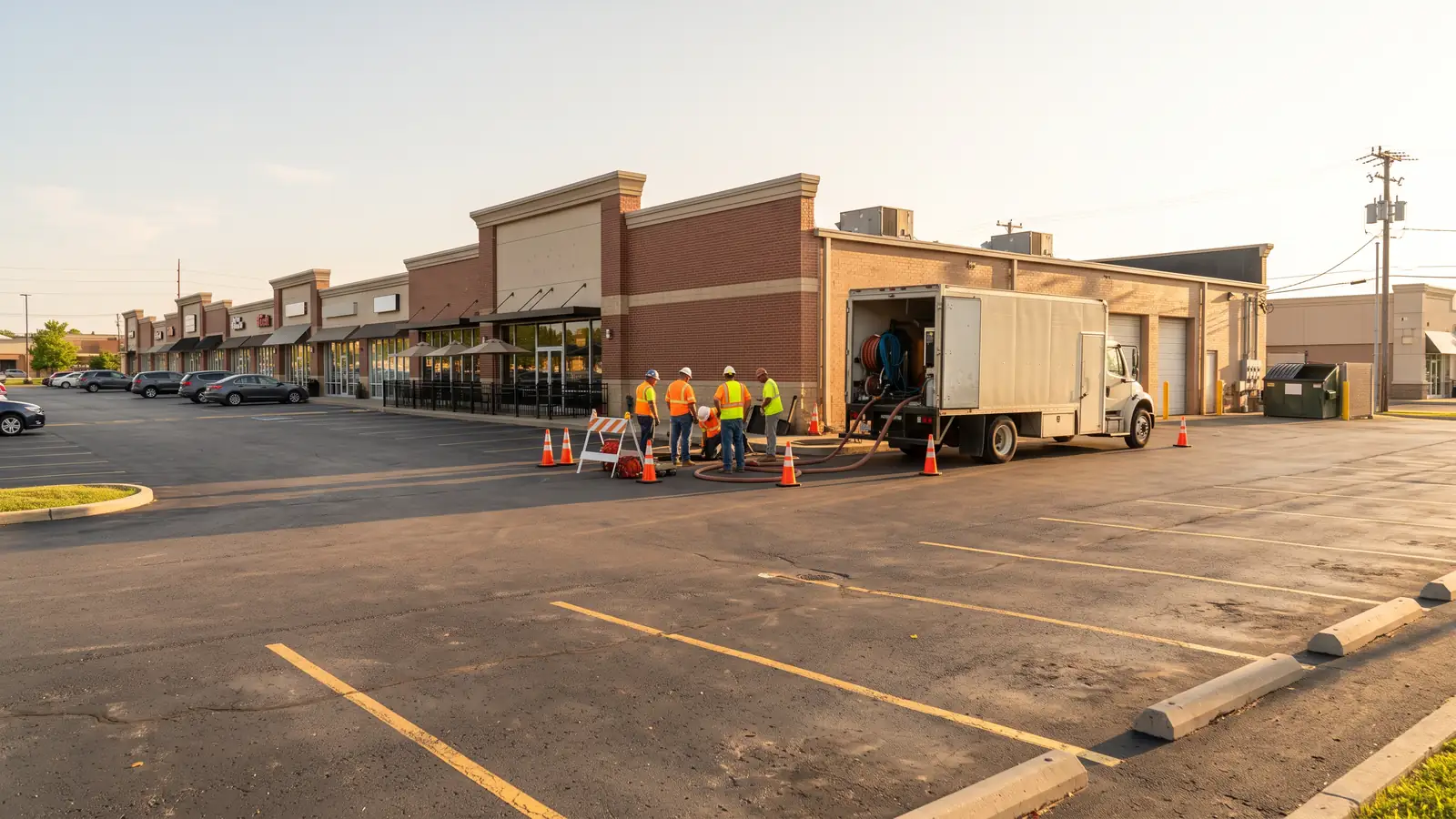 A-11CIPP LiningCommercial and Multi-Unit LiningRestaurants, retail centers, offices, schools and apartment communities can renew failing sewer pipe while the property keeps operating.Small access pitSee the service
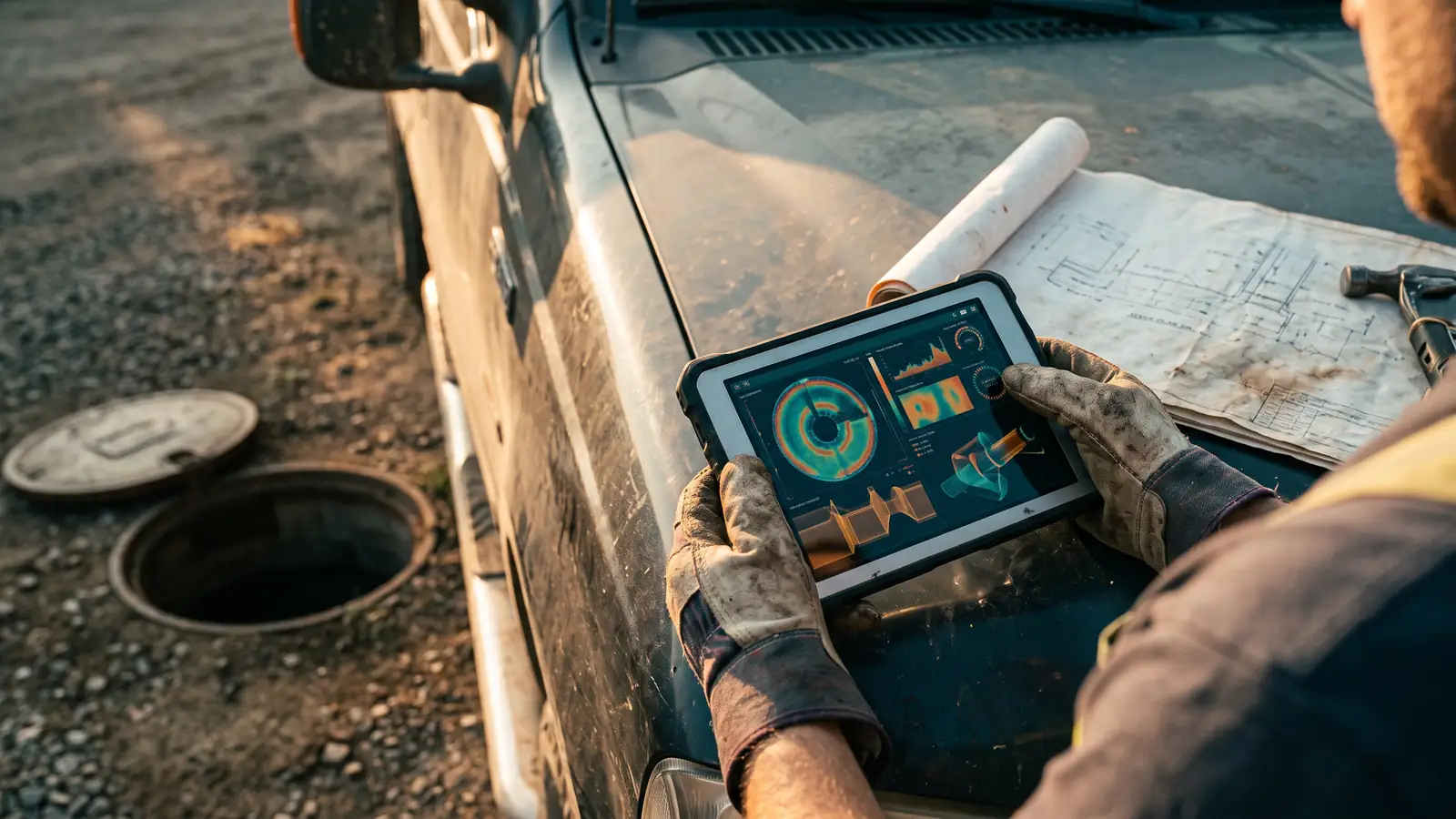 C-07InspectionCondition Assessment and PlanningWe turn camera findings into a clear plan: what is wrong, what it needs, what the options are…No digSee the service
Read more on this topic.
GUIDE 24 · Trenchless MethodsSliplining ExplainedHow a new, smaller pipe is inserted into a larger old one, and why it suits culverts better than laterals.2 min read GUIDE 33 · Property and PlaceStorm Drains, Culverts and CIPPHow lining renews stormwater pipe without cutting roads, drives and lots.2 min read 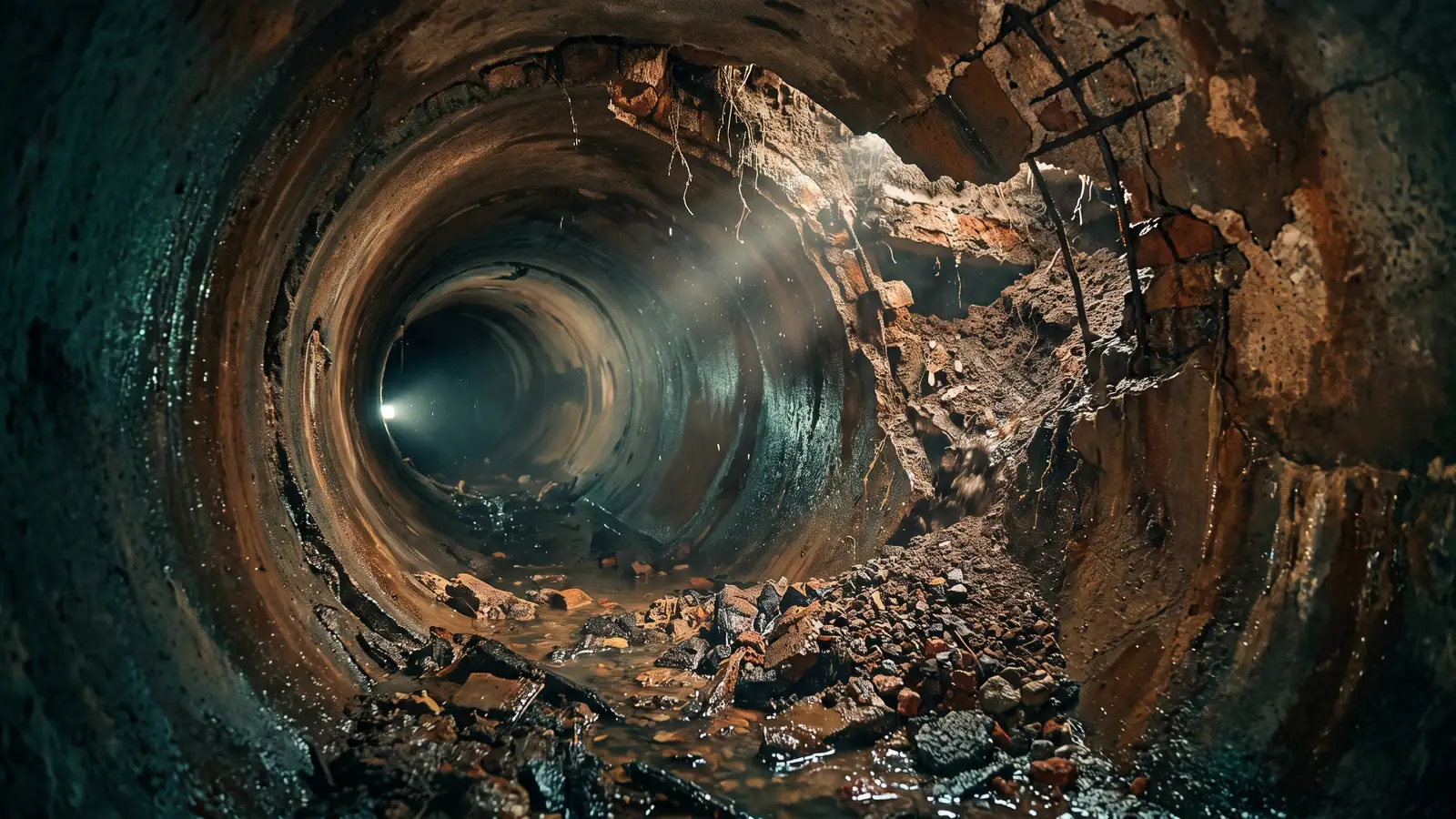 GUIDE 29 · Trenchless MethodsWhen Trenchless Is Not the AnswerTrenchless is wonderful, but it is not magic. Here are the situations where digging still makes sense.2 min read
Sliplining FAQ.
Does sliplining reduce flow?
Yes, because the new pipe is smaller. That is why it suits large pipes with spare capacity, and why CIPP is better for small laterals.
Can it go around bends?
Sliplining works best on straight runs. Bends limit pipe sections and may need extra pits.
Is the old pipe removed?
No. It stays in place and the gap is grouted.
Sliplining across Middle Tennessee.
Pick your city for its page.
Fix the pipe. Keep the yard.
Tell us about your pipe and we will suggest a camera inspection and the least disruptive repair that fits.