Root Intrusion Sewer Repair in Nashville and Middle Tennessee
Roots enter through joints and cracks. We cut them out, then line the pipe so the openings they use are sealed for good.
- Problems We Repair
- Works from existing access
- Middle Tennessee

Root Intrusion Sewer Repair, explained.
Tree roots go where the water is. A hairline crack or a slightly open joint in a sewer line lets out enough moisture to attract them, and once a root hair gets in it grows into a thick mat that catches paper and grease. The line slows, then backs up. Cutting the roots clears the pipe for a while, but if the opening stays, they return.
The lasting fix has two parts. First, the roots are cut and the pipe is jetted clean. Second, the openings are sealed: with a spot repair if only one joint is open, or with a full-length liner if many joints are affected. A lined pipe has no joints, which leaves roots with nowhere to enter. We camera before and after to show you the pipe as we found it and as we left it.
Signs this service fits
- Backups every few months in the same line
- Slow drains that clear and return
- A camera shows roots at joints
- Large trees near the sewer path
A good fit, and what to know.
We would rather you hear the limits from us than discover them later.
A good fit when
- Pipes with root entry at joints
- Lines in mature neighborhoods
- Owners who want a lasting fix instead of repeated cleaning
Worth knowing
- A pipe broken or collapsed by roots may need more than lining
- Cutting roots without sealing the openings only buys time
Why choose this one.
Root-proofs the line
A jointless liner removes the entry points.
No tree removal needed
Fix the pipe rather than the landscape.
Clear flow
The pipe is cleaned before it is sealed.
Seen on video
You can see the roots and the sealed pipe.
Before and after: roots in clay pipe
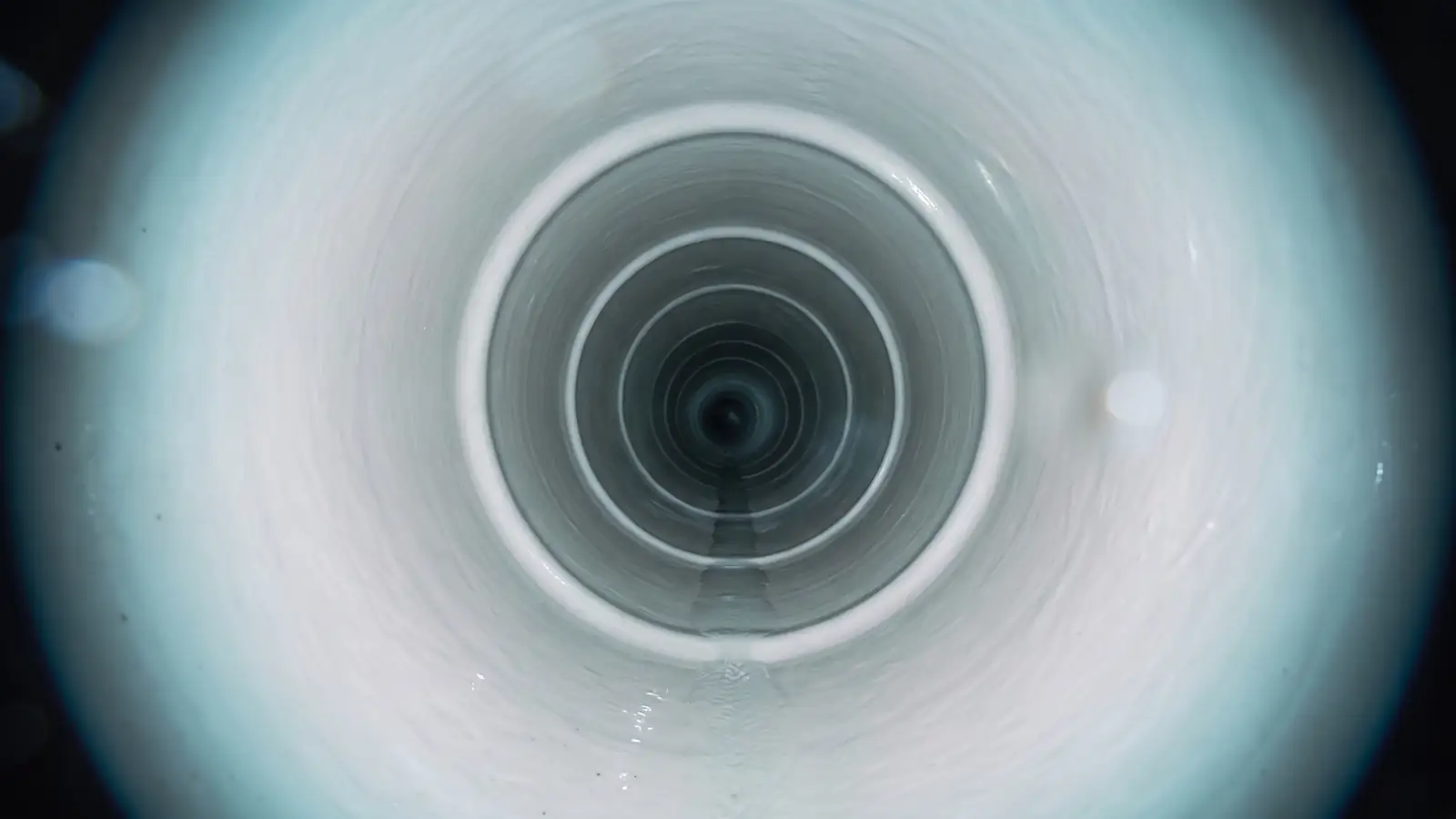
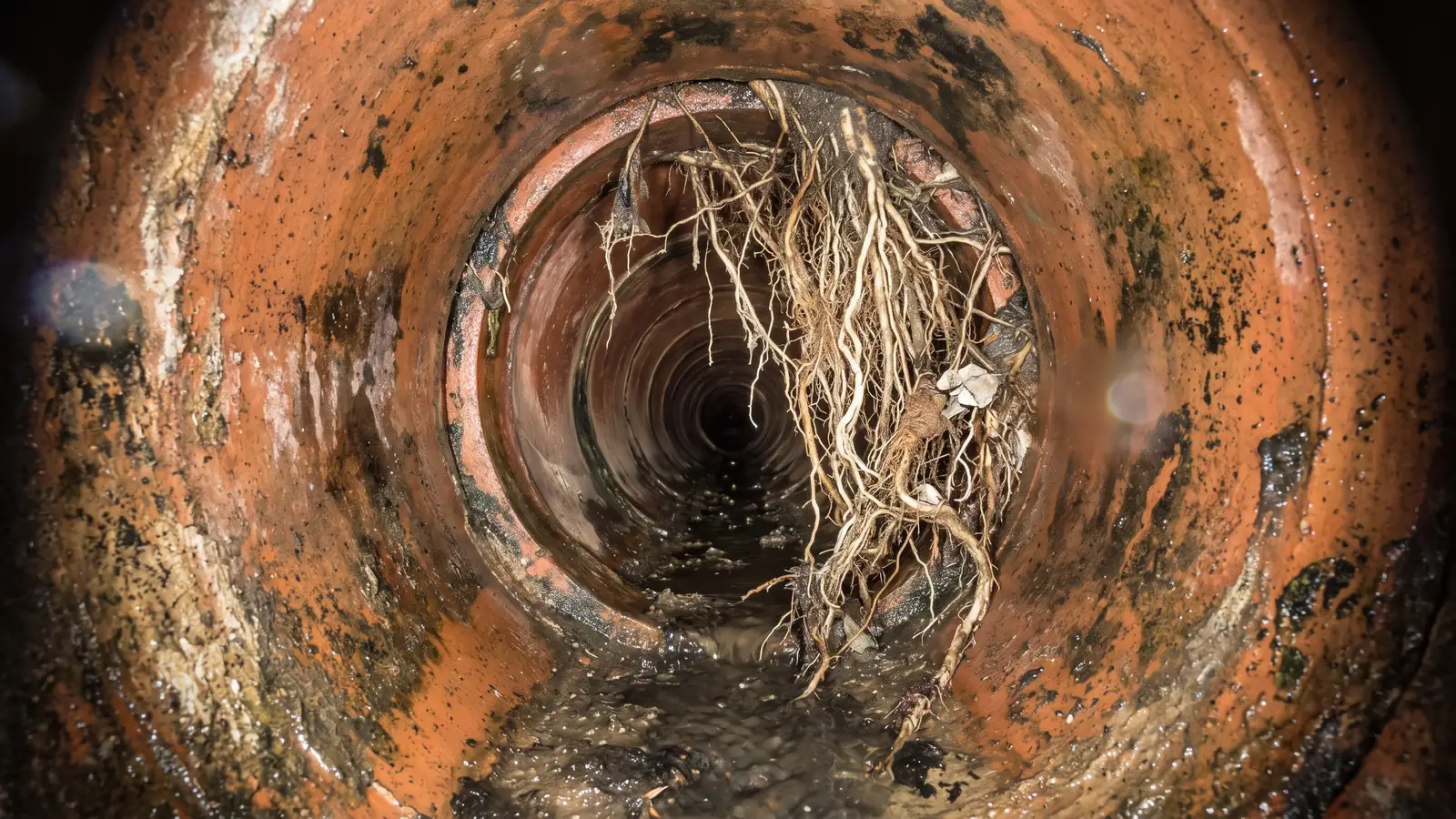 AfterBefore
Illustrative scene created to show a typical condition before and after a trenchless repair. Drag the handle to slide between them.
From first look to finished pipe.
A clear sequence for every job.
- 01
Camera the roots
We find where roots enter and how many joints are affected.
- 02
Cut and clean
Roots are cut flush and the pipe is jetted clean.
- 03
Seal the openings
A patch or full-length liner closes the joints roots use.
- 04
Verify
A final camera pass confirms a clear, sealed pipe.
Services that go together.
 C-03InspectionRoot Cutting Before LiningRoots that have grown into a sewer pipe have to come out before a liner goes in. Cutters…No digSee the service
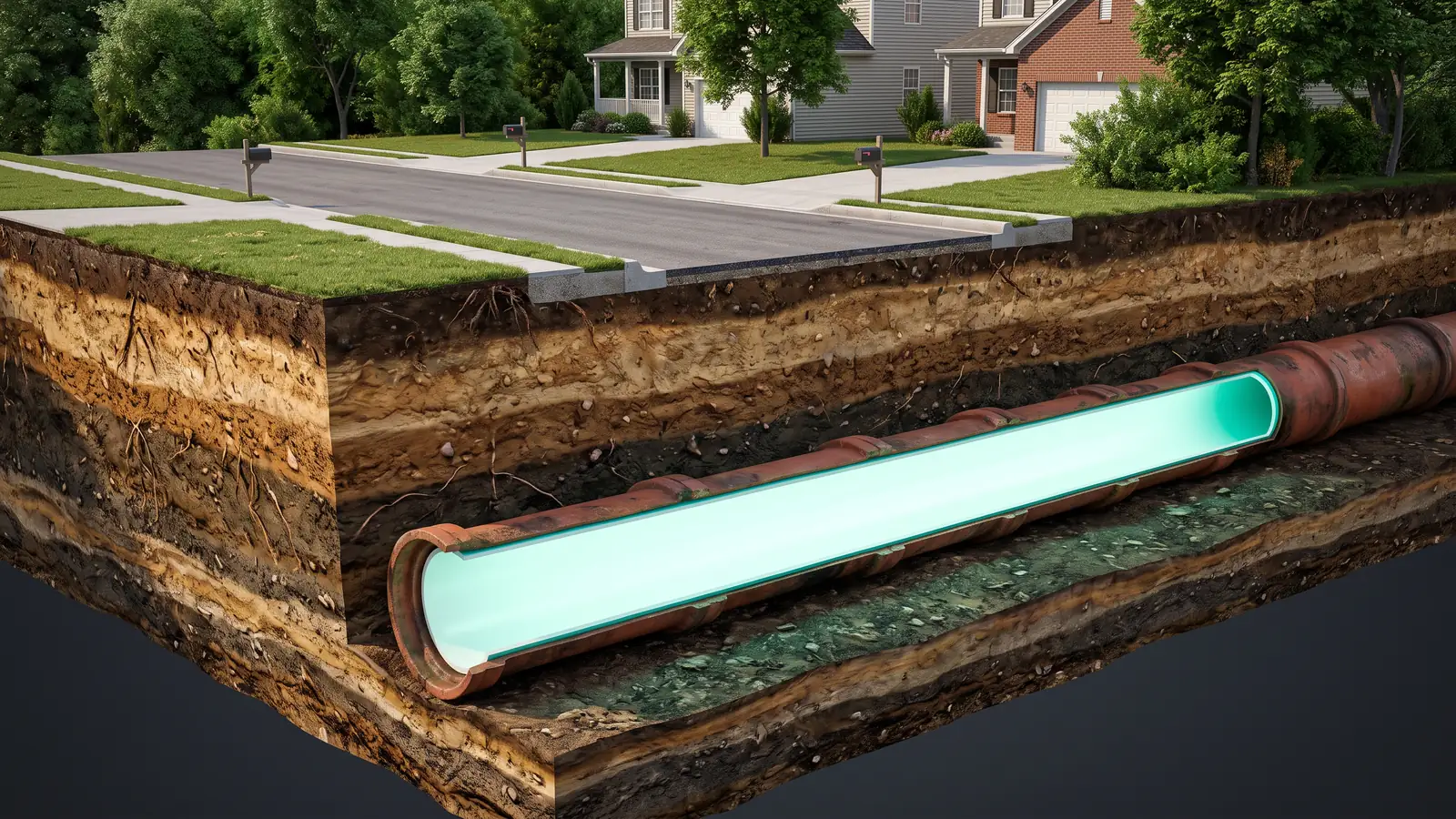 A-01CIPP LiningFull-Length CIPP LiningA resin-soaked liner is cured inside your old sewer pipe from end to end, leaving a smooth new…Small access pitSee the service
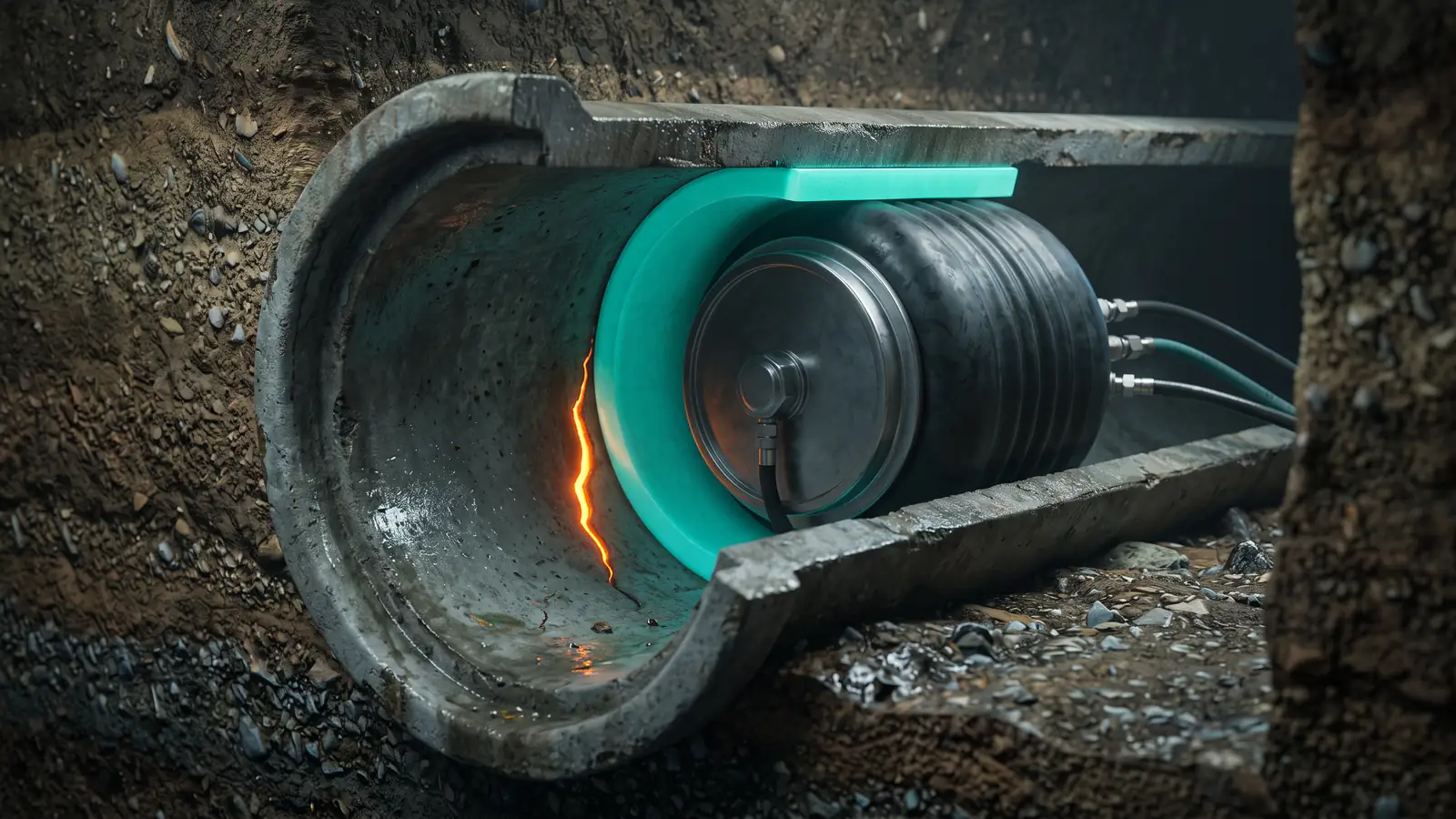 A-04CIPP LiningSpot and Point RepairWhen a camera shows damage in only one or two places, a short patch liner can repair them…No digSee the service
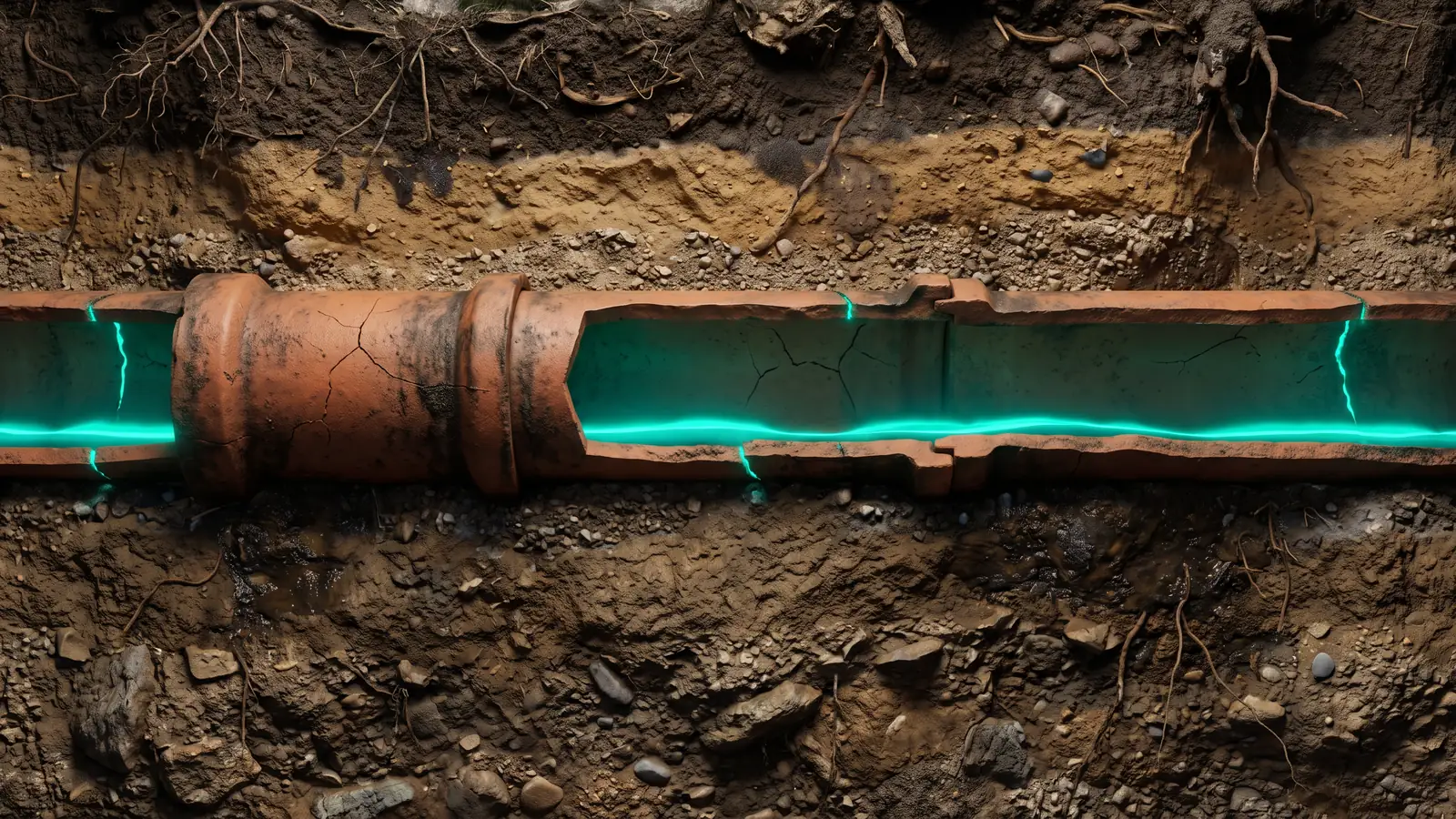 D-06ProblemsClay Pipe RepairClay pipe lasts a long time, but its many short sections mean many joints. Lining turns a joint-filled…No digSee the service
Read more on this topic.
GUIDE 12 · Sewer Lines 101Tree Roots and Sewer LinesWhy roots find your pipe, what they do inside it and how to keep them out for good.2 min read GUIDE 25 · Trenchless MethodsPoint Repair vs Full-Length LiningOne patch or the whole pipe? How to tell which one your sewer needs.2 min read GUIDE 37 · Care and PreventionHow to Protect Your Sewer LineSimple habits that keep the pipe flowing and make repairs less likely.2 min read Root Intrusion Repair FAQ.
Will the roots come back after lining?
A liner seals the joints, so roots lose their entry points. Roots can still press on the outside of the pipe, but they cannot enter a sealed line.
Is a patch enough?
If only one or two joints are open, yes. If many are, full-length lining makes more sense, and the camera tells us which case you have.
Do I have to remove my tree?
Usually not. The aim is to make the pipe root-proof, so the tree can stay.
Root Intrusion Repair across Middle Tennessee.
Pick your city for its page.
Fix the pipe. Keep the yard.
Tell us about your pipe and we will suggest a camera inspection and the least disruptive repair that fits.