Key takeaways
- Roots are drawn to moisture and nutrients leaking from pipe joints
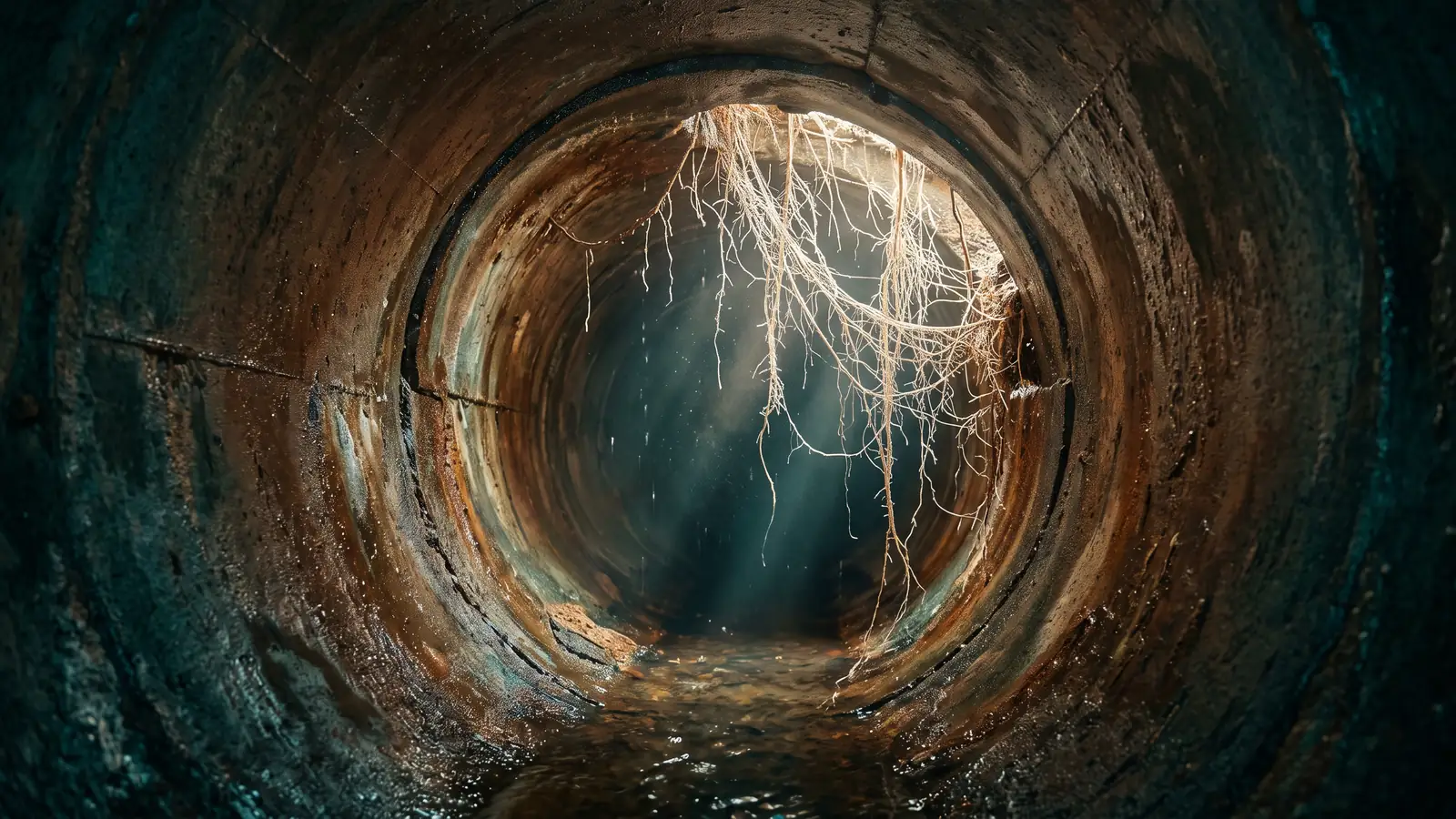
- They enter through cracks and joints and grow into thick mats
- Cutting roots is temporary unless the opening is sealed
- Lining closes the joints roots use
How roots find the pipe
Roots grow toward moisture. A sewer line is full of water and nutrients, and even a tiny leak at a joint releases a signal. A fine root hair enters and then thickens as it takes in more.
Old clay and cast iron with many joints are especially at risk.
What roots do inside
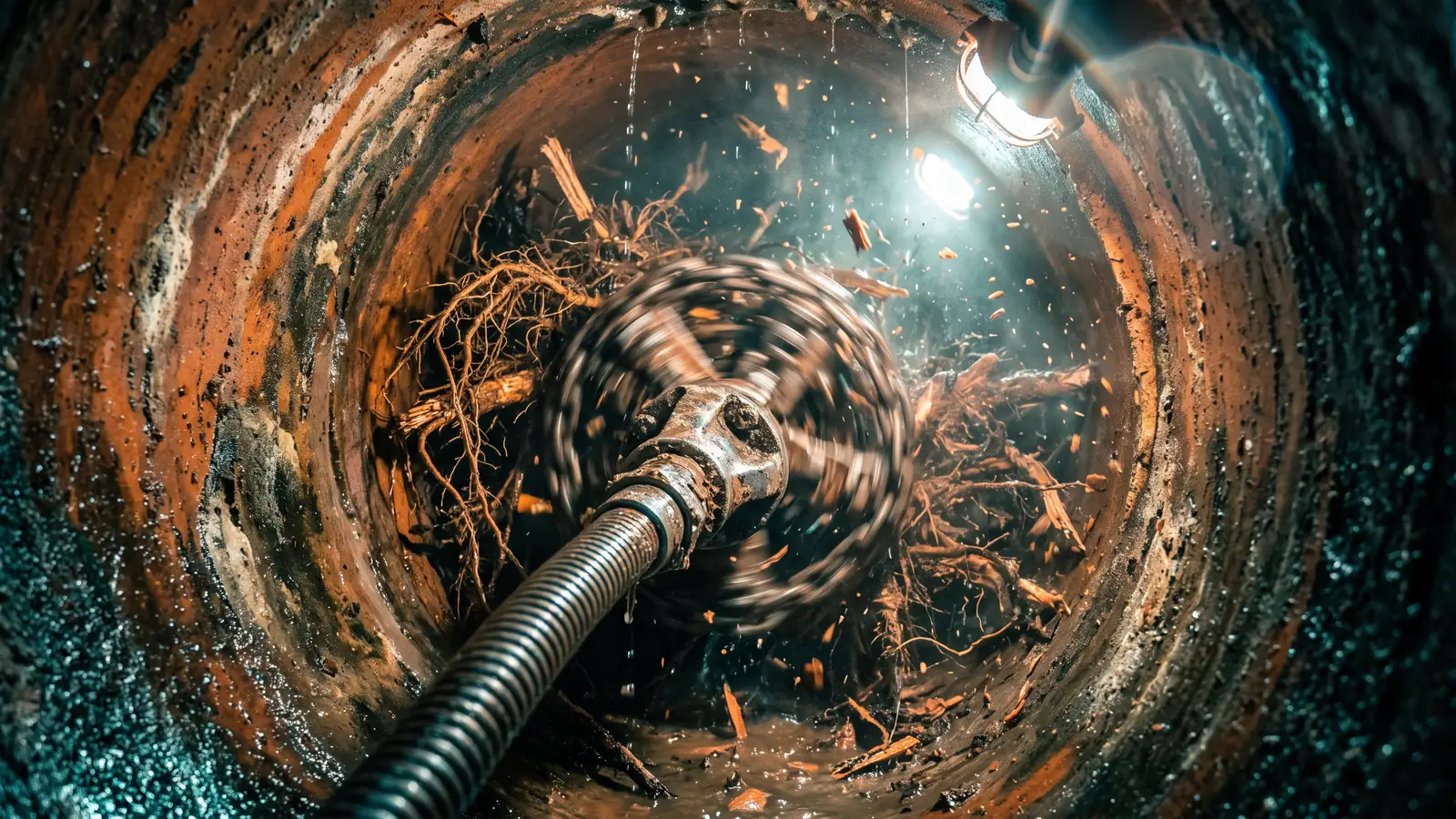
Inside the pipe the roots form a mat that catches paper, grease and solids. Flow slows and eventually stops. The roots also widen the opening, which lets more soil and water in.
Over time the pipe can crack or shift.
Why cutting is not enough
Cutting roots clears the pipe but leaves the opening. Roots return, often within months to a few years depending on conditions. Chemical root killers slow regrowth for a while, but they do not repair the pipe.
To stop the cycle, the entry points have to be sealed.
The lasting fix
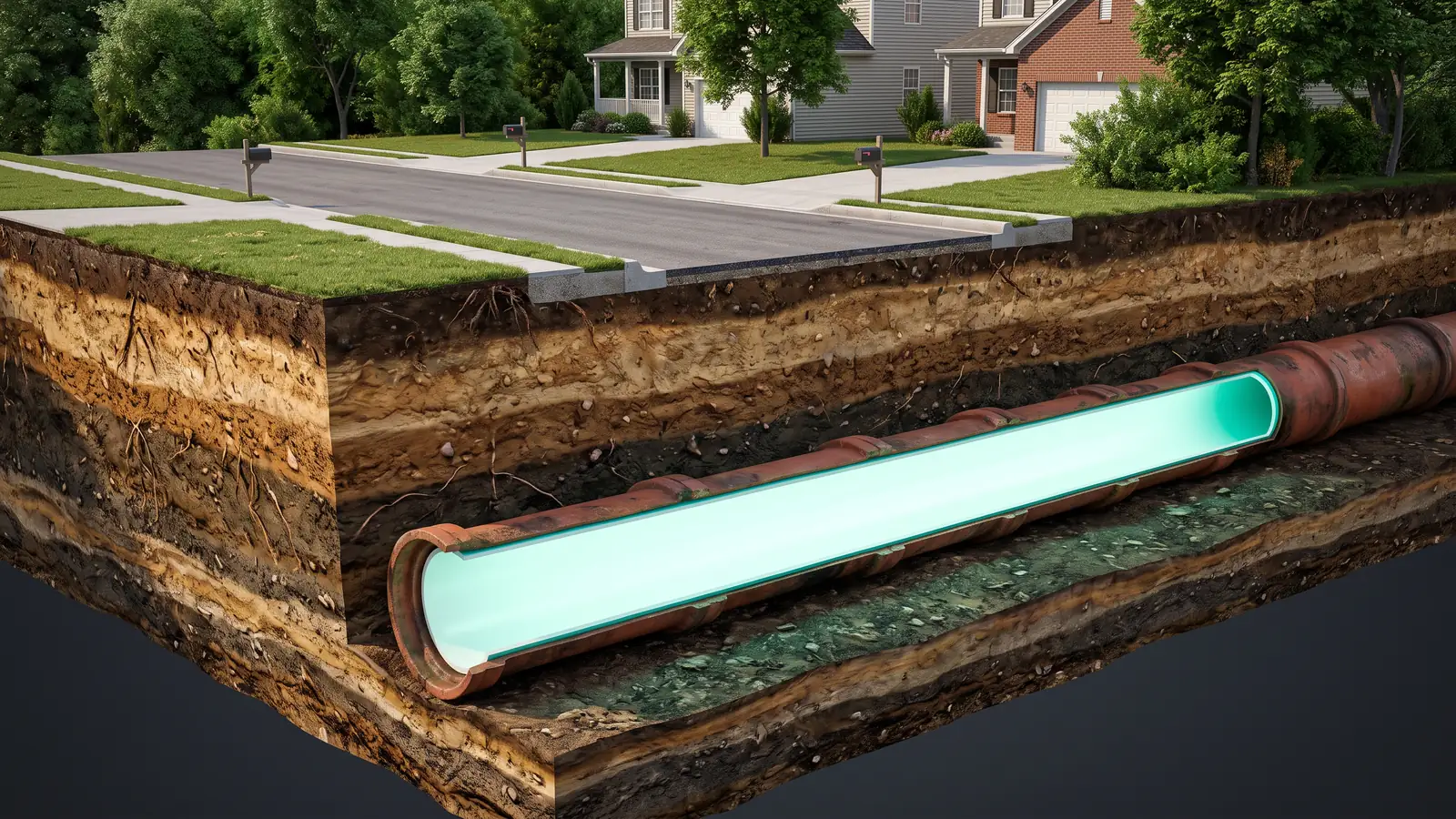
A spot repair seals one or two joints. A full-length liner removes all joints. Either leaves roots with no way in. The tree can stay.
Planting choices help too: keep large trees well away from the line when you can.
Quick answers
Should I remove the tree?
Usually not. Sealing the pipe is a better fix than removing a healthy tree.
Will roots crush a lined pipe?
Roots can press on the outside, but they cannot enter a sealed pipe. The liner is also structural.
Have a pipe question?
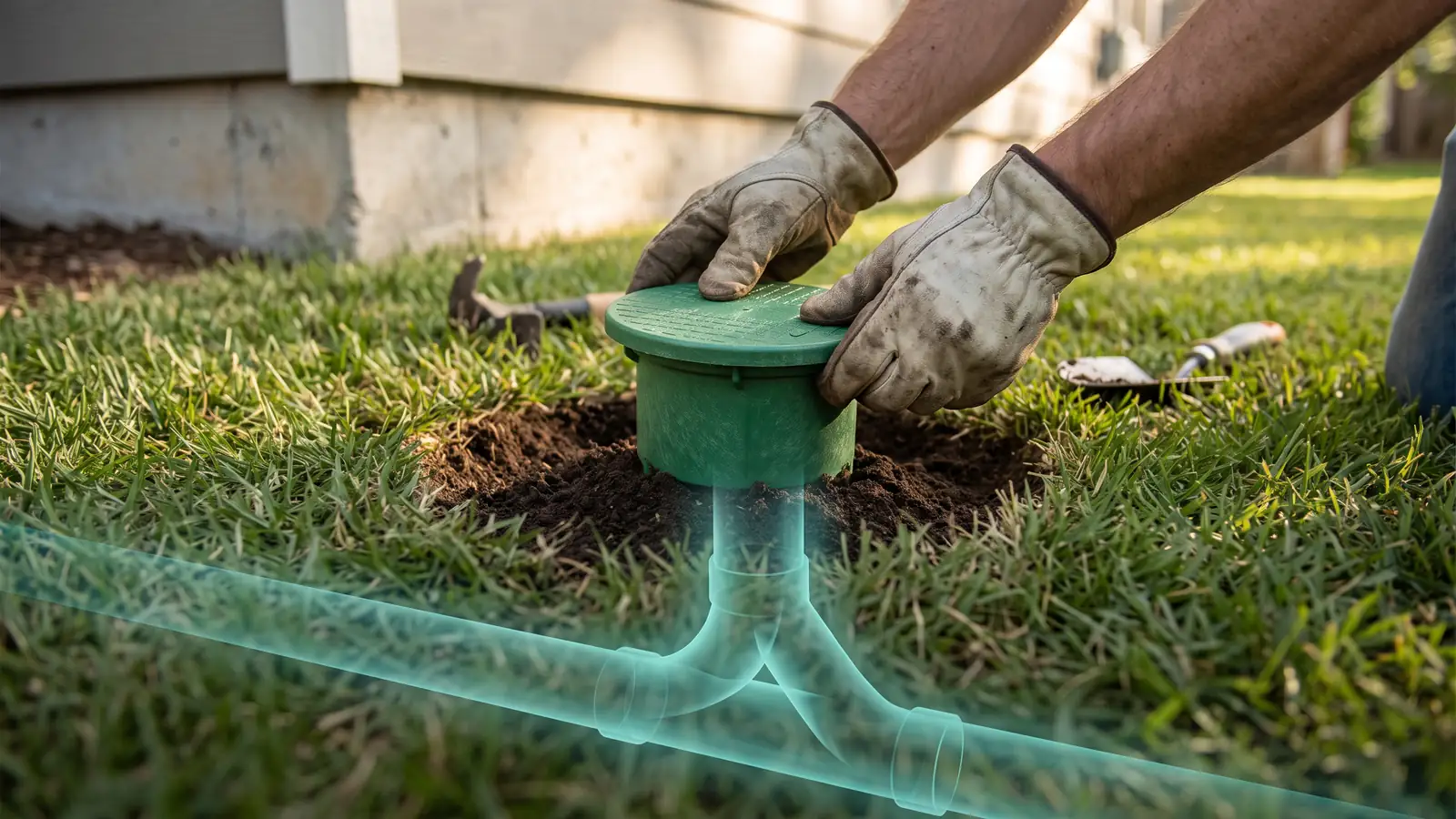
Call (615) 952-0844 or send the form below, and we will suggest a recorded camera inspection and the options that fit.