
Key takeaways
- Reports list defects by type and distance from the access point
- Cracks, roots, offsets and bellies are the usual findings
- Severity matters more than count
- Ask which findings need action now and which can wait
The basics of a report
A good report lists each finding with a distance from the access point, a description and ideally a photo or video timestamp. It also states the pipe material, diameter and approximate length inspected.
It should say where the camera stopped and why.
Common findings
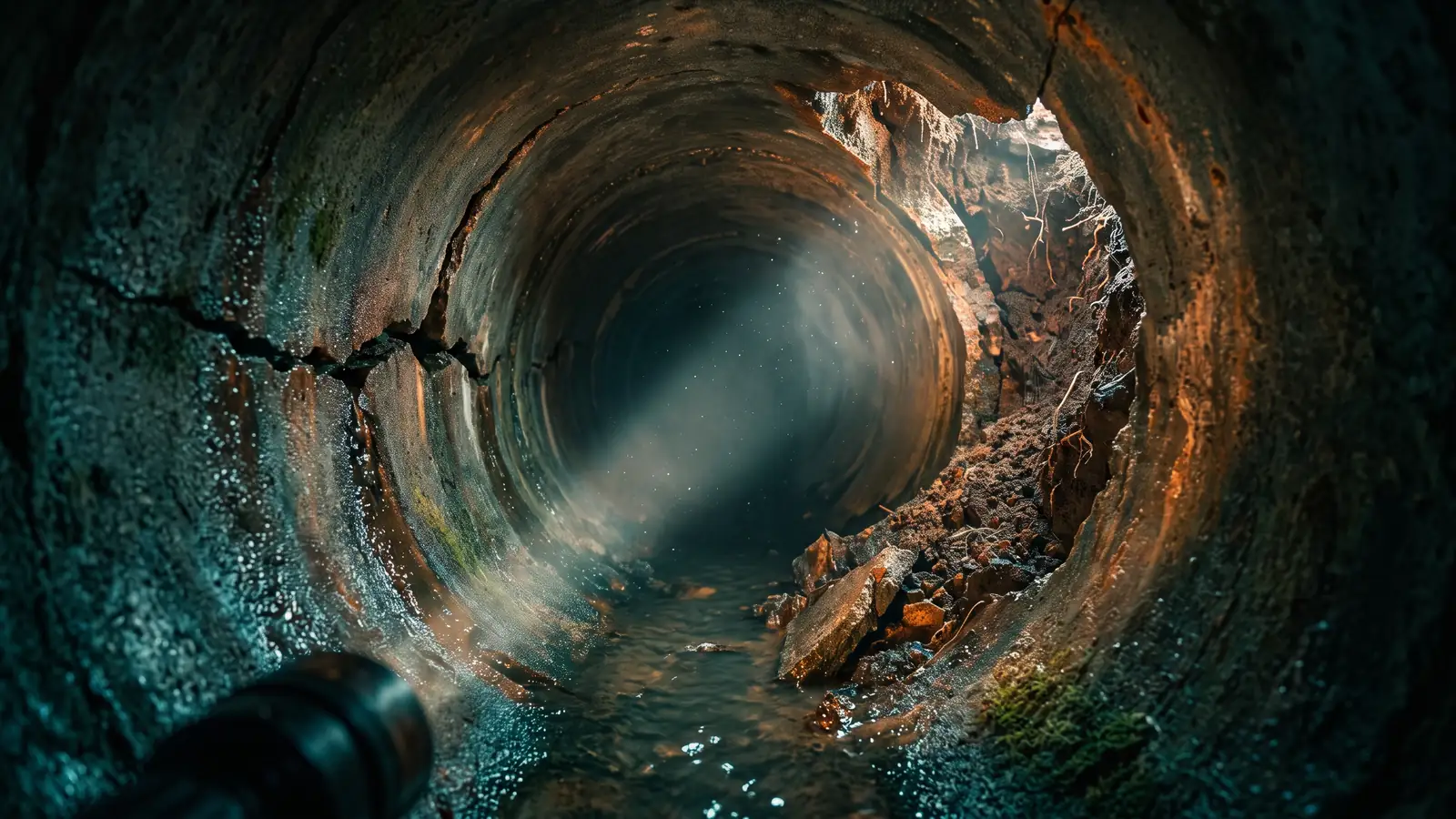
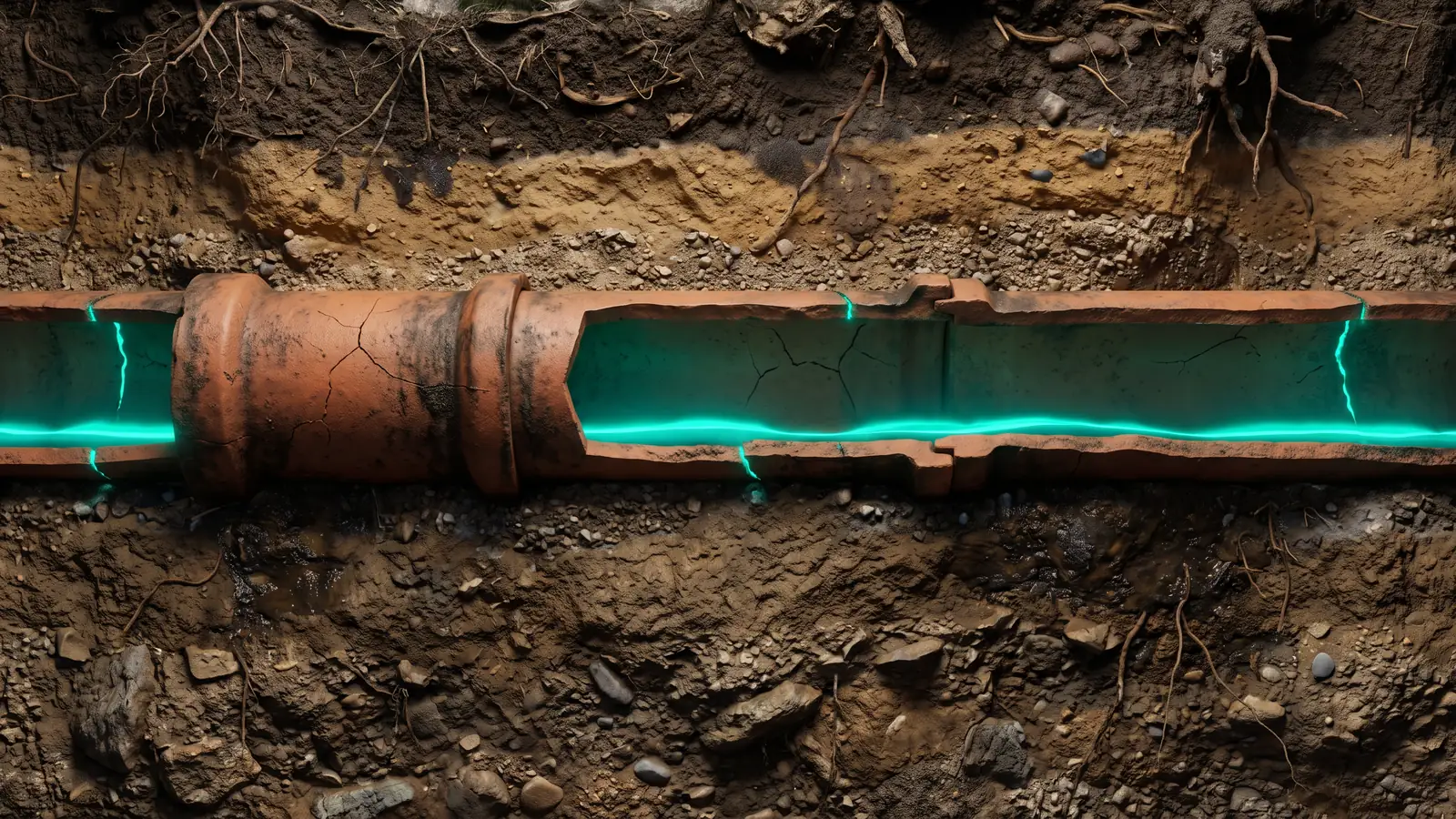
Cracks: lines in the pipe wall, longitudinal or circumferential. Roots: fine threads or thick mats at joints. Offsets: a step between pipe sections. Belly: standing water in a low spot. Scale: rough rust or deposits. Collapse: a flattened or broken pipe.
Connections: where other pipes join, sometimes with lining notes.
Severity
Not every finding matters equally. A hairline crack in good pipe may be monitored. A collapsed section needs attention. Many reports grade defects from minor to severe. Ask how the grading was done and what it means for your pipe.
The count of defects matters less than where they are and how bad each one is.
Questions to ask
What needs repair now? What can wait? What options exist for each? What happens if I do nothing? Will the video be shared with me? Could another contractor review it?
A good report leads to clear answers.
Quick answers
Is a report the same as a recommendation?
No. A report states findings. A recommendation is a plan to address them. Ask for both.
Can I get a second opinion on the video?
Yes. Another contractor can review a good recording.
Have a pipe question?
Call (615) 952-0844 or send the form below, and we will suggest a recorded camera inspection and the options that fit.