Key takeaways
- A cleanout is a capped access pipe to your sewer line
- It is usually near the house or at the property line
- Cameras, cleaners and liners all use it
- If you have none, one can be added
What it is
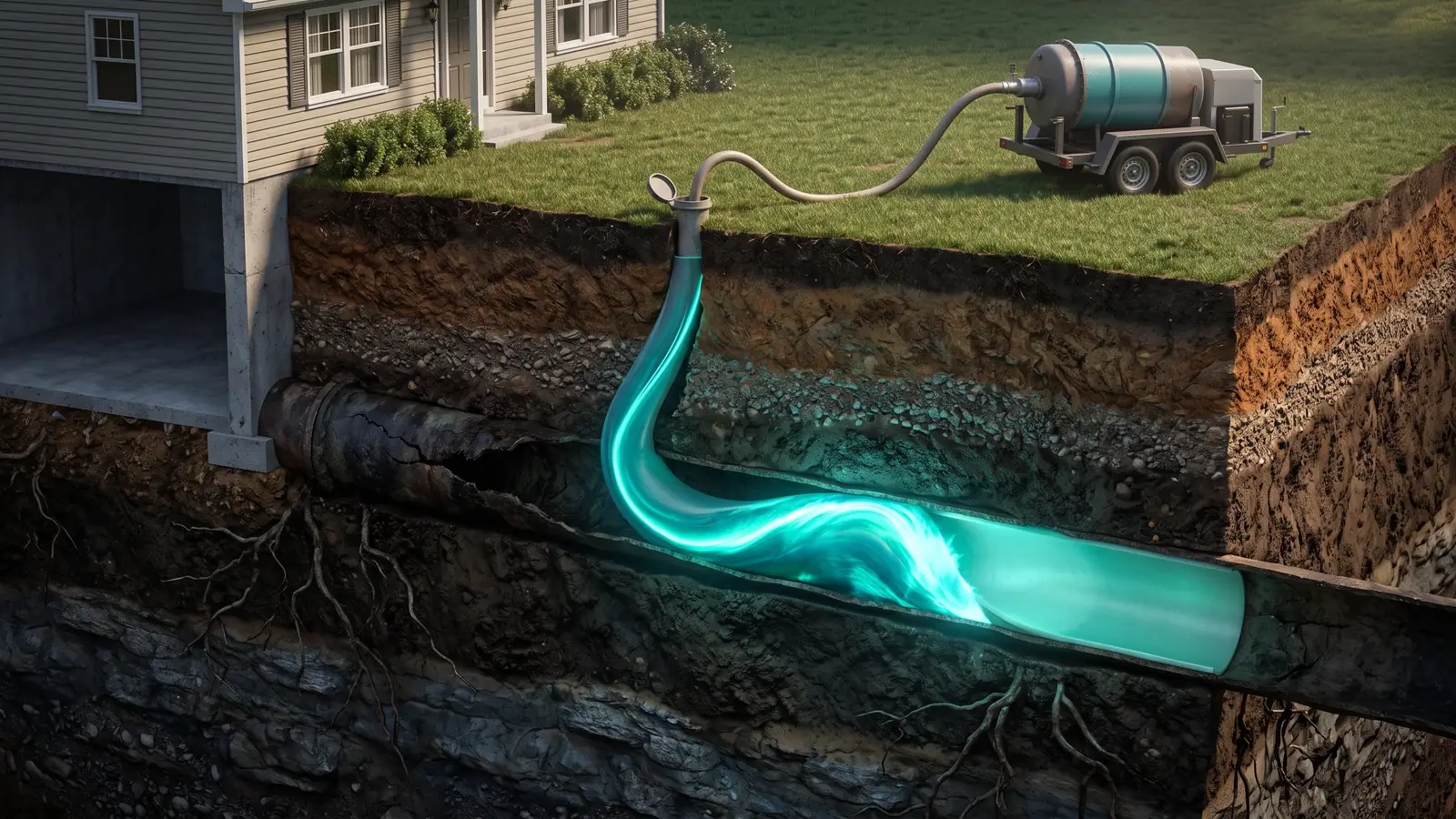
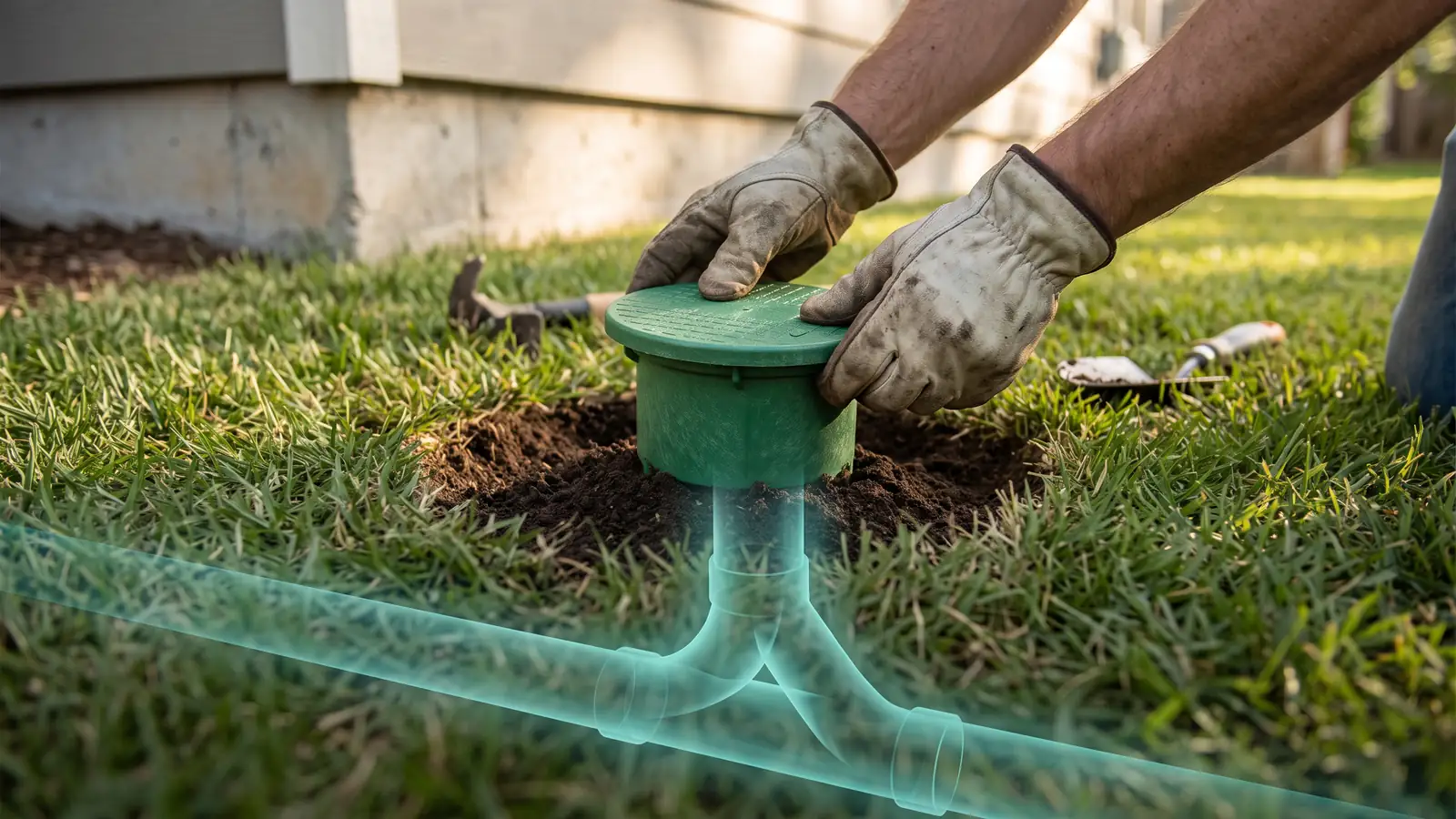
A sewer cleanout is a capped pipe, typically three or four inches across, that rises from the buried sewer line to ground level or just beneath it. The cap can be opened to reach the line directly.
Two-way cleanouts allow access in both directions along the pipe.
Where to find yours
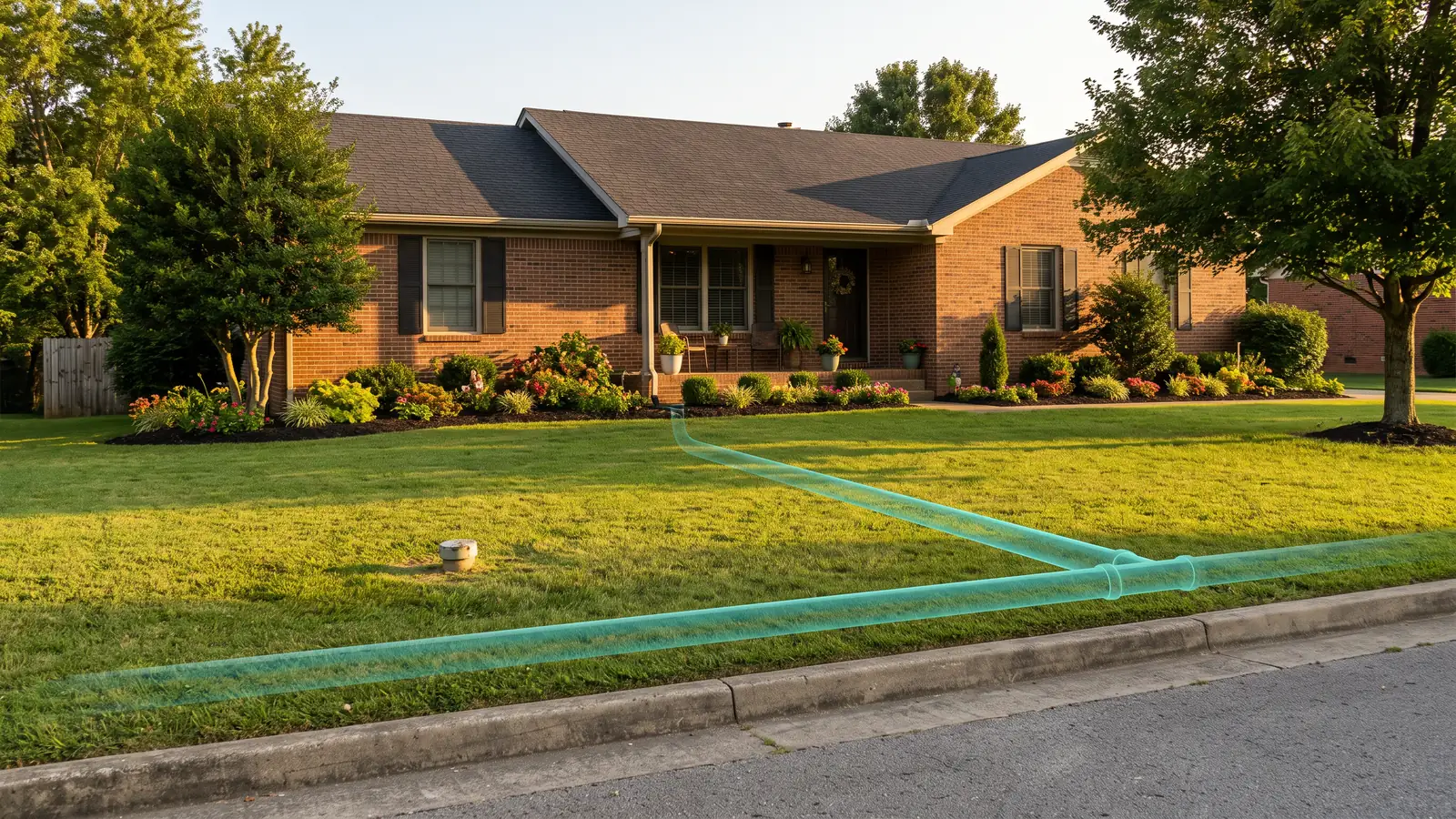
Common places are along the outside of the house near the foundation, at the property line near the street, in a crawl space or basement or beside a garage. Look for a round plastic or iron cap, often labeled or sunk into the lawn.
If you cannot find one, a locator can trace the pipe and show where a cleanout could go.
Why it matters
Without a cleanout, every camera or cleaning job has to go through a toilet or a roof vent, which is slower and riskier. With one, inspections, jetting and trenchless lining start easily.
It also marks where the line runs.
Care and safety
Do not open a cleanout when the line is backed up and under pressure: wastewater can flow out. Keep the cap on tight and the area clear. Do not bury it, or if you do, mark it.
If a cap is broken or missing, replace it so debris, pests and gases are kept out.
Quick answers
Can I add a cleanout myself?
It involves cutting into the sewer pipe, so a professional should do it.
How many cleanouts should a house have?
At least one, and long lines may benefit from another. We recommend based on the layout.
Have a pipe question?
Call (615) 952-0844 or send the form below, and we will suggest a recorded camera inspection and the options that fit.