Key takeaways
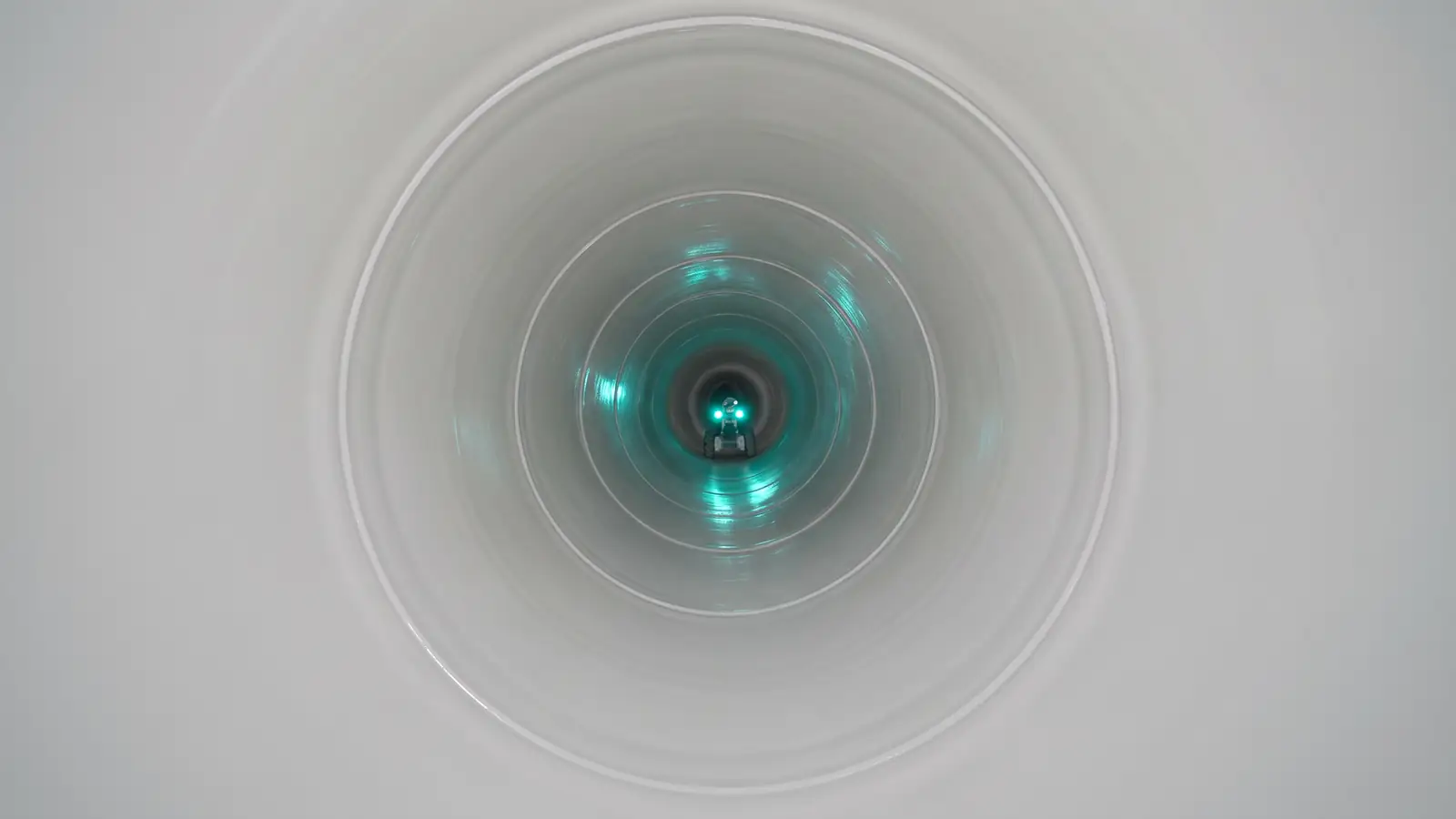
- A camera shows the inside of the pipe from the access point on
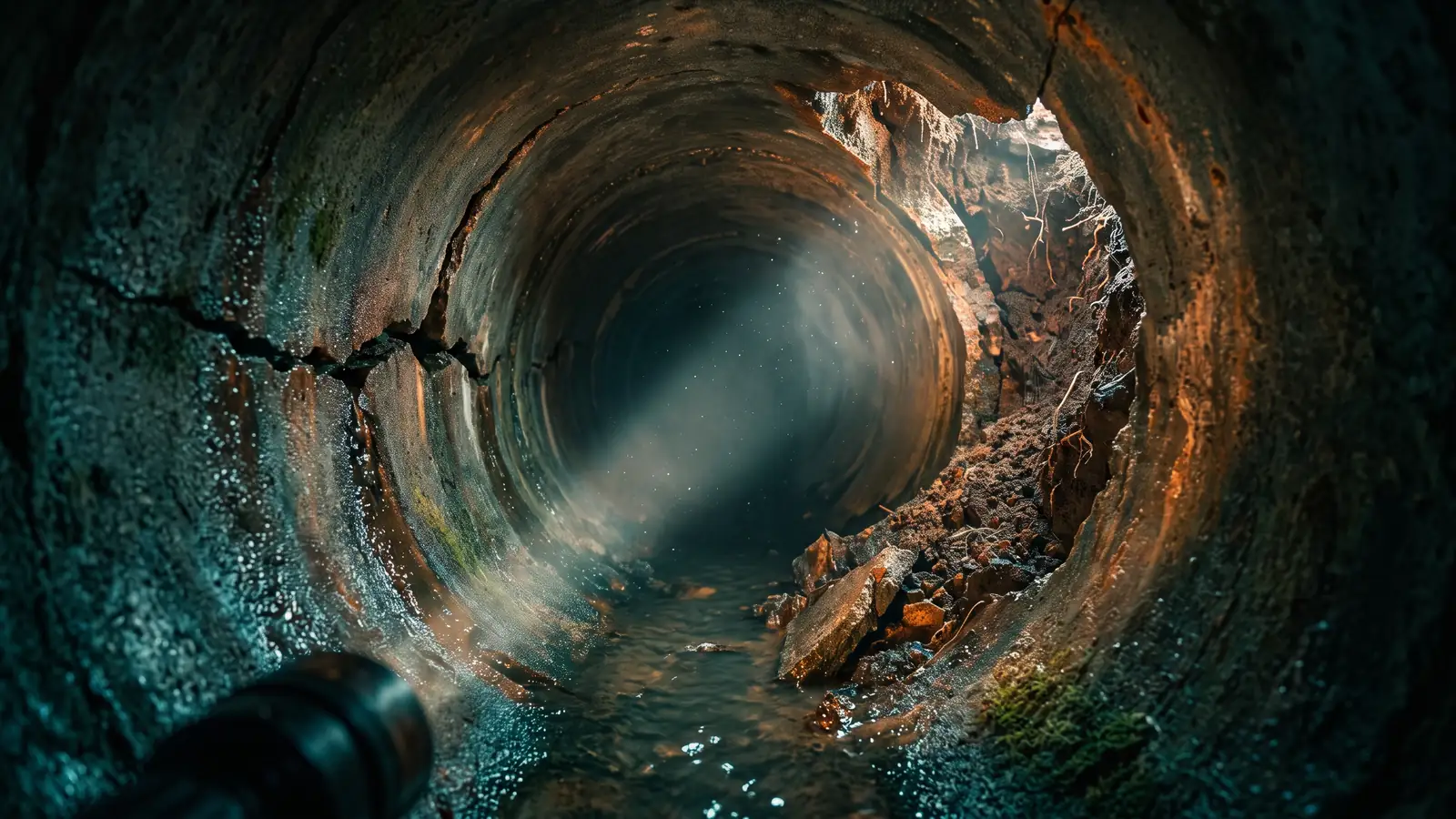
- It reveals material, cracks, roots, offsets, bellies and connections
- It cannot see the soil outside the pipe
- A recorded run makes decisions easier and gives you a record
How it works
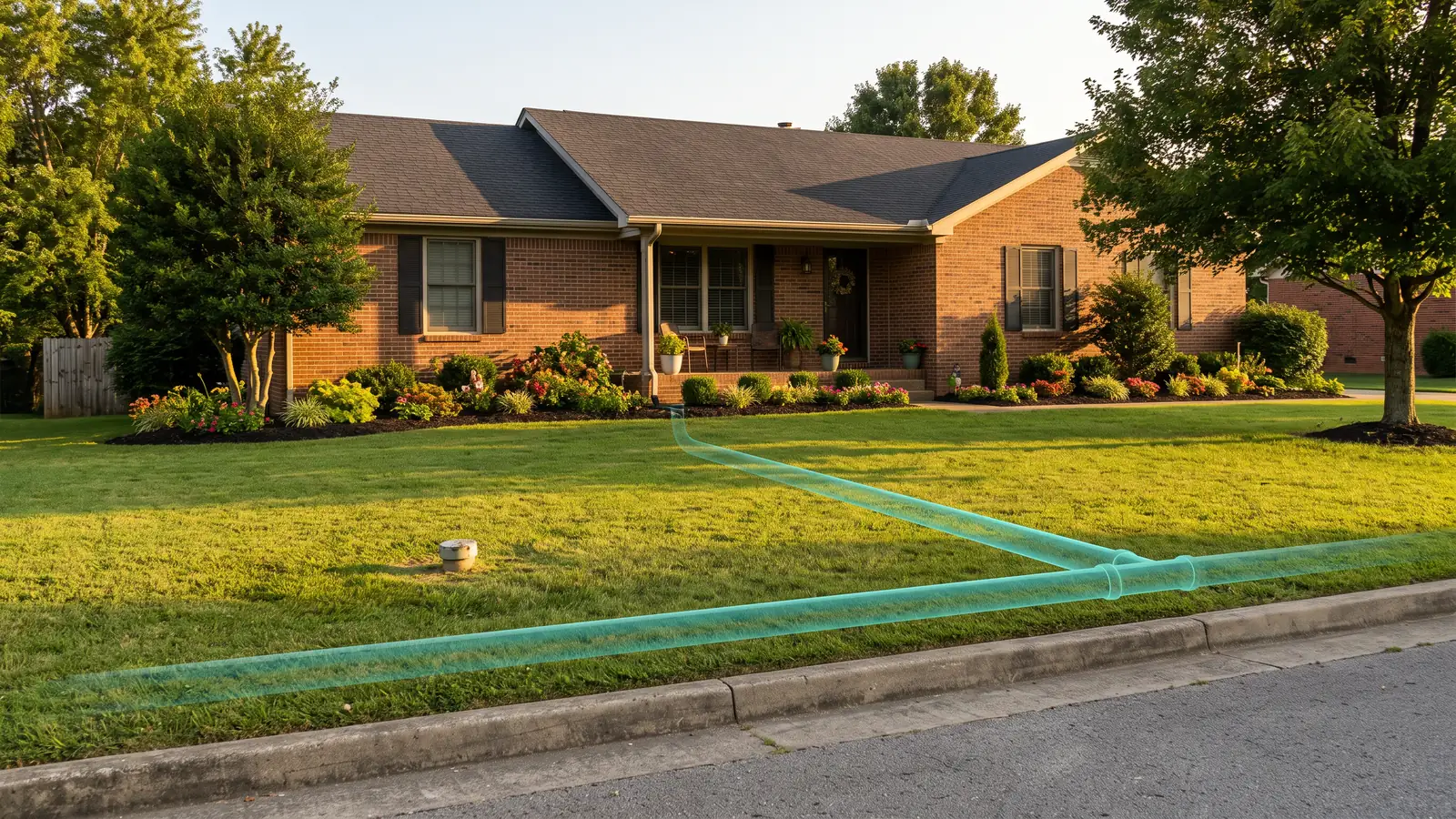
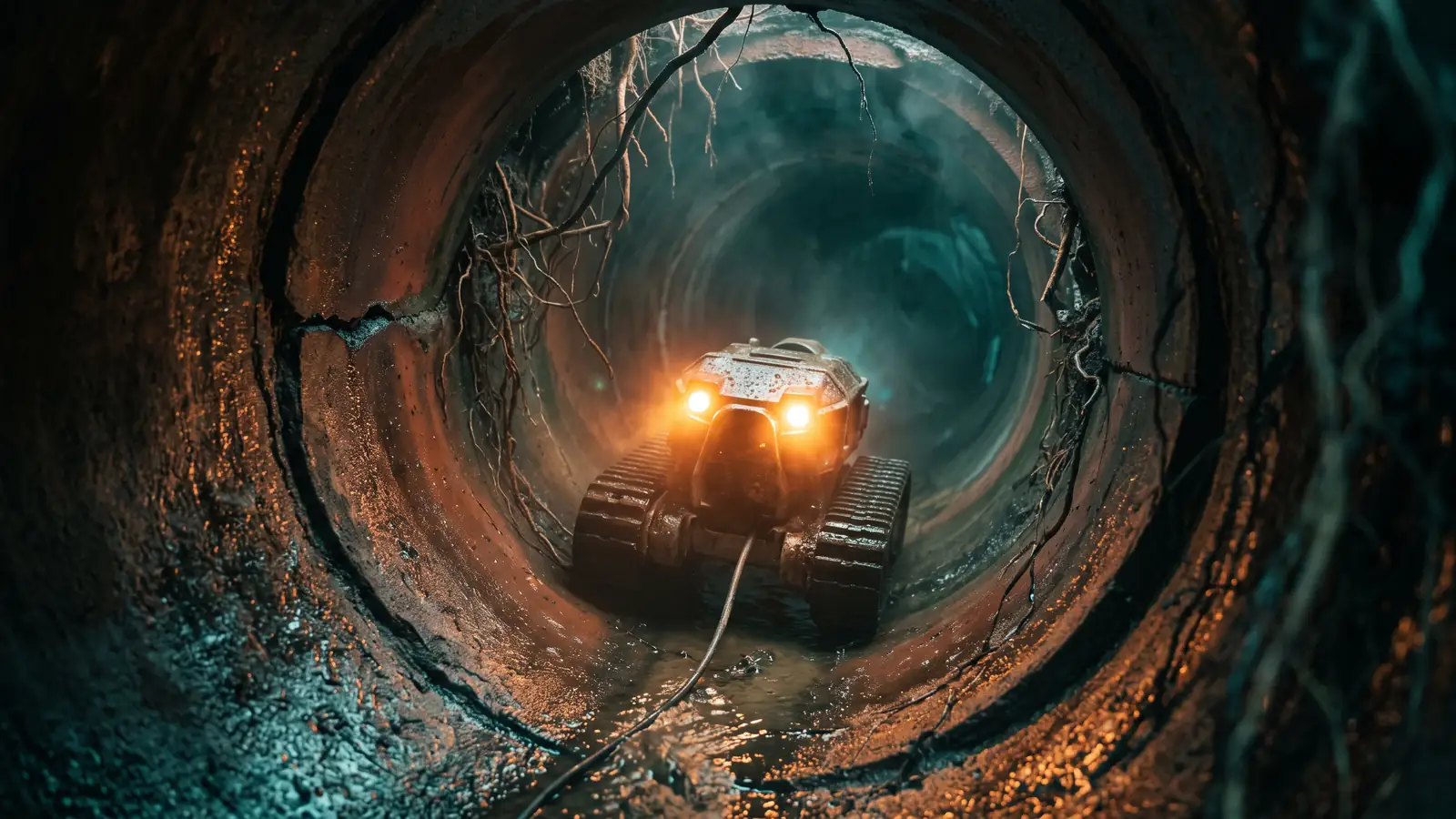
A waterproof camera on a flexible push rod or a small tracked crawler is fed into the pipe through a cleanout or other access. Lights and a live feed show the pipe wall, and the unit logs distance. Many cameras also carry a locator transmitter.
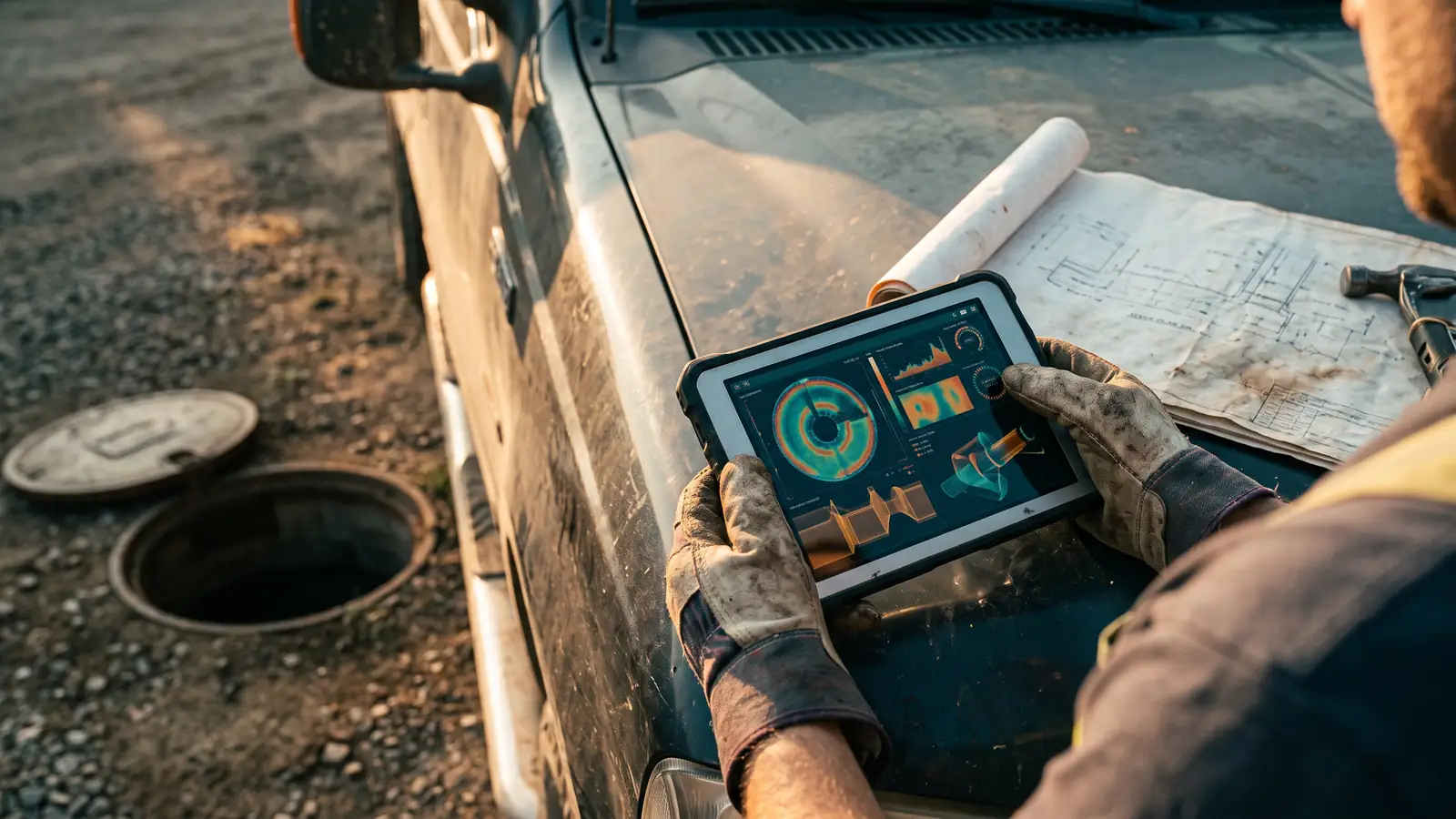
A technician watches the feed and records it.
What it can see
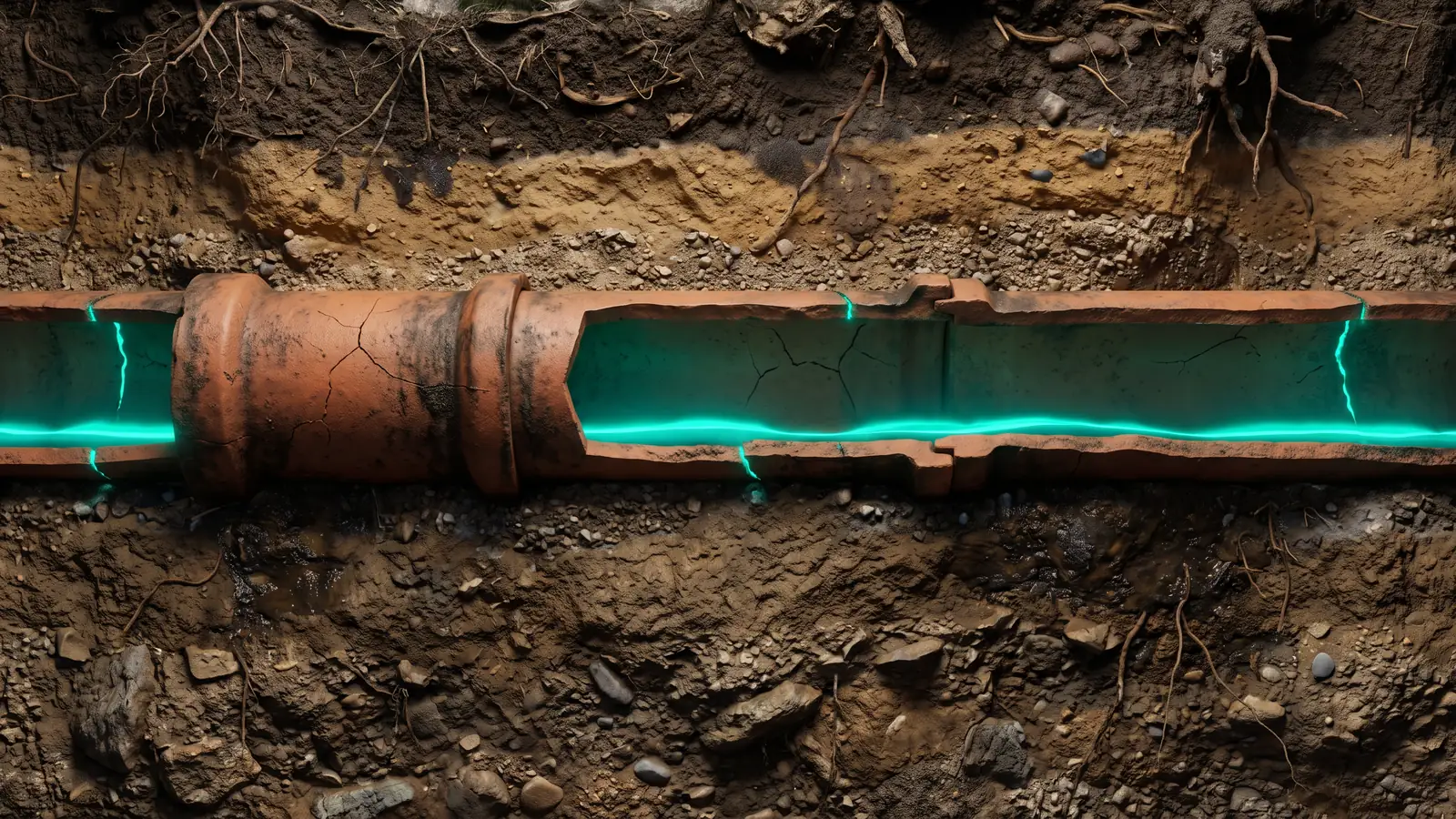
The camera shows the pipe’s material, joints, cracks, holes, roots, scale, offsets, connections, standing water and debris. It shows whether the pipe is round or distorted and where it changes material.
It shows low spots as standing water in a pipe that should drain.
What it cannot see
The camera sees only the inside of the pipe. It cannot show voids in the soil around the pipe, or the condition of a pipe beyond where it can travel. A collapse or a heavy blockage can stop it.
We note where the camera stops and why.
Using the results
A good inspection tells you what is wrong, where and how serious. It also supports the best repair choice, lets you get a second opinion and leaves a baseline for later comparison.
Always ask for a copy of the video.
Quick answers
How long does an inspection take?
Often under an hour for a typical home, longer for large or complex systems.
Do I need to clean the line first?
Sometimes. If it is too dirty to see, a quick clean helps the camera see.
Have a pipe question?
Call (615) 952-0844 or send the form below, and we will suggest a recorded camera inspection and the options that fit.