Key takeaways
- Keep grease, wipes and food scraps out of drains
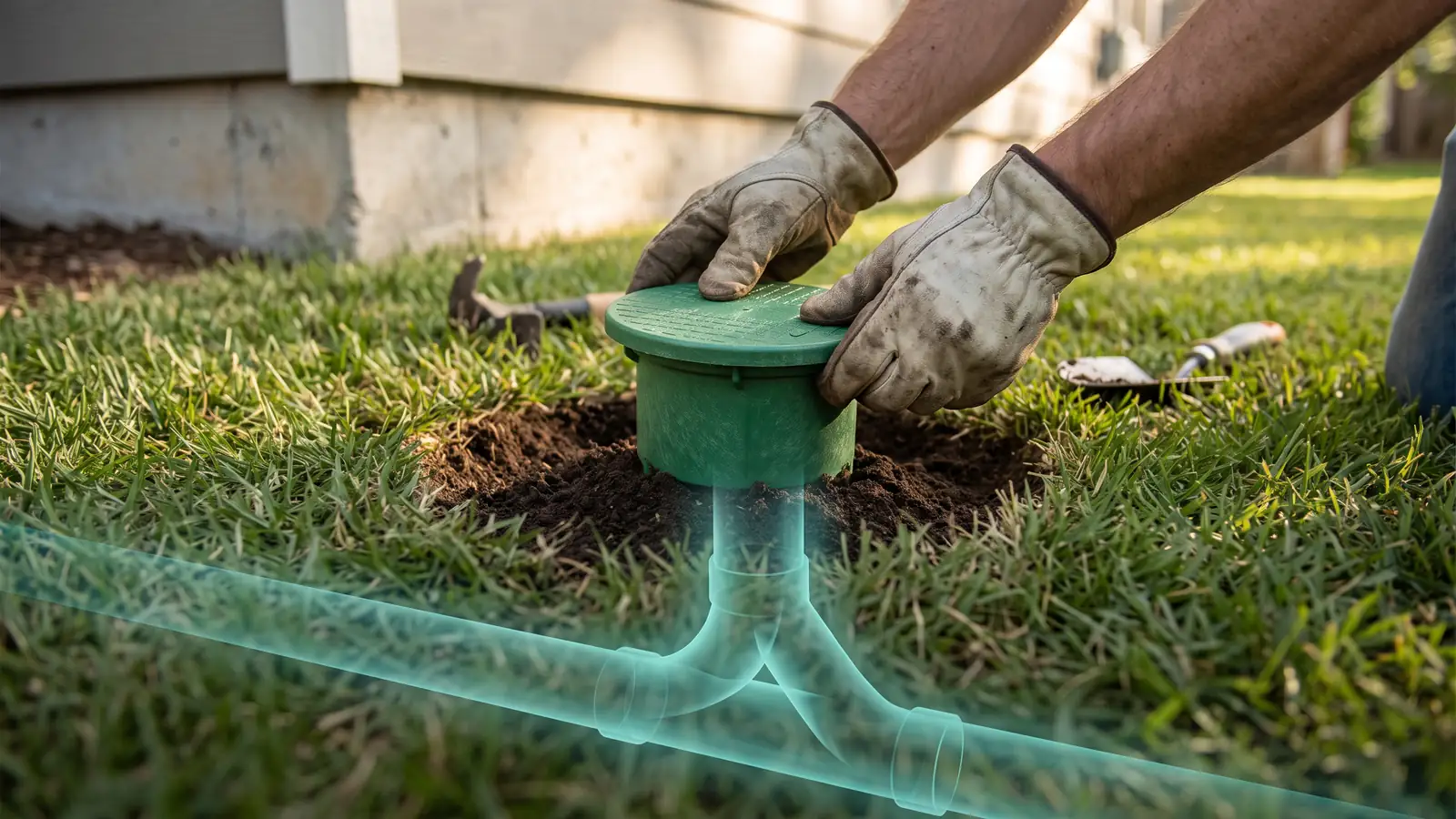
- Know where your cleanout is and keep it clear
- Plant thoughtfully near the sewer path
- Inspect older lines before trouble starts
What goes down the drain
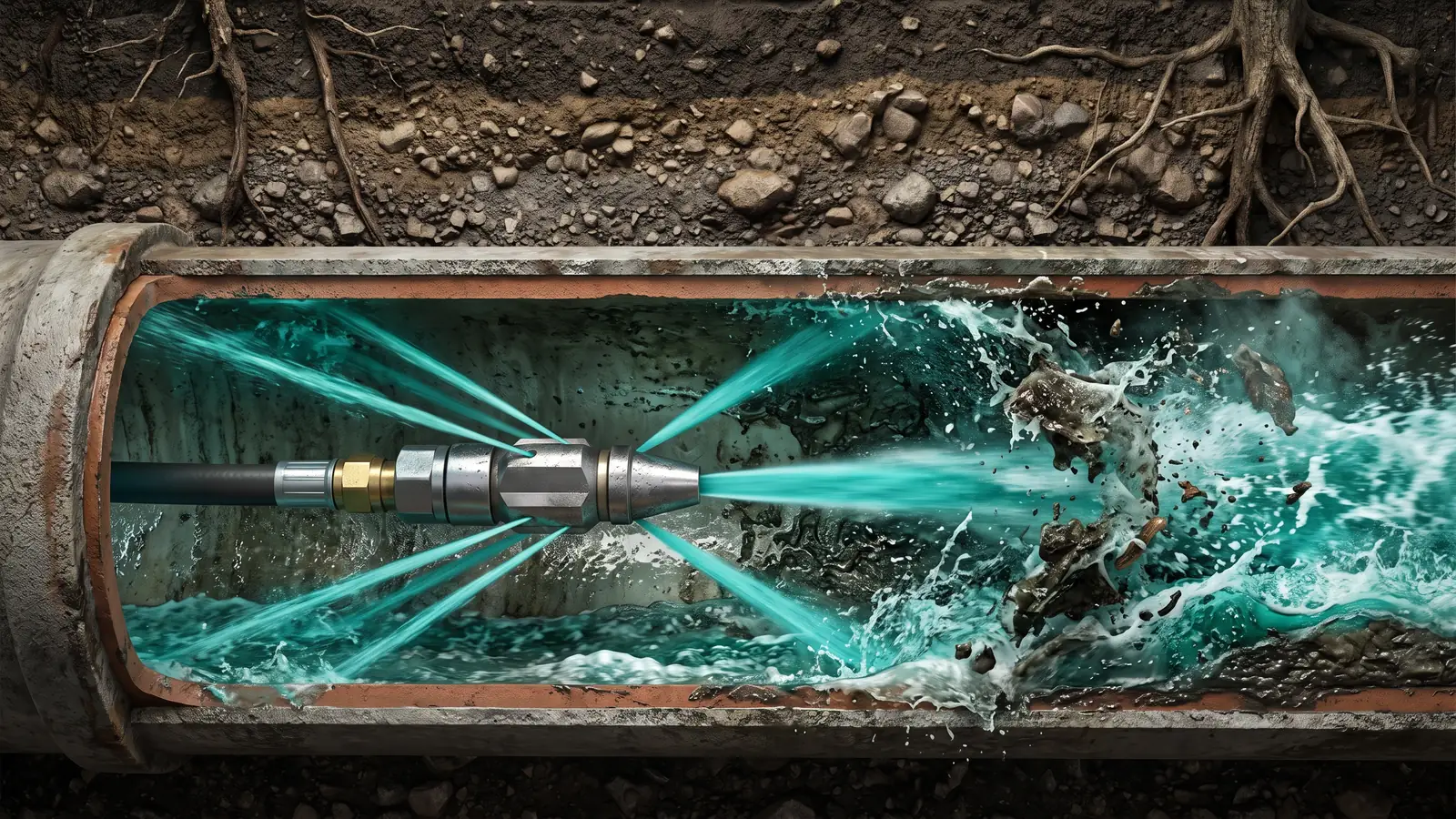
Only wastewater and toilet paper belong in a sewer line. Grease cools and sticks to the pipe wall. Wipes labeled flushable do not break up like paper. Food scraps, coffee grounds and cat litter build up.
Use strainers in sinks and tubs to catch hair and scraps.
Know your line
Find your cleanout and keep the cap in place and the area accessible. Know where the line runs from the house to the street. A camera inspection on an older home gives you a baseline.
Keep a copy of any inspection video.
Think about trees
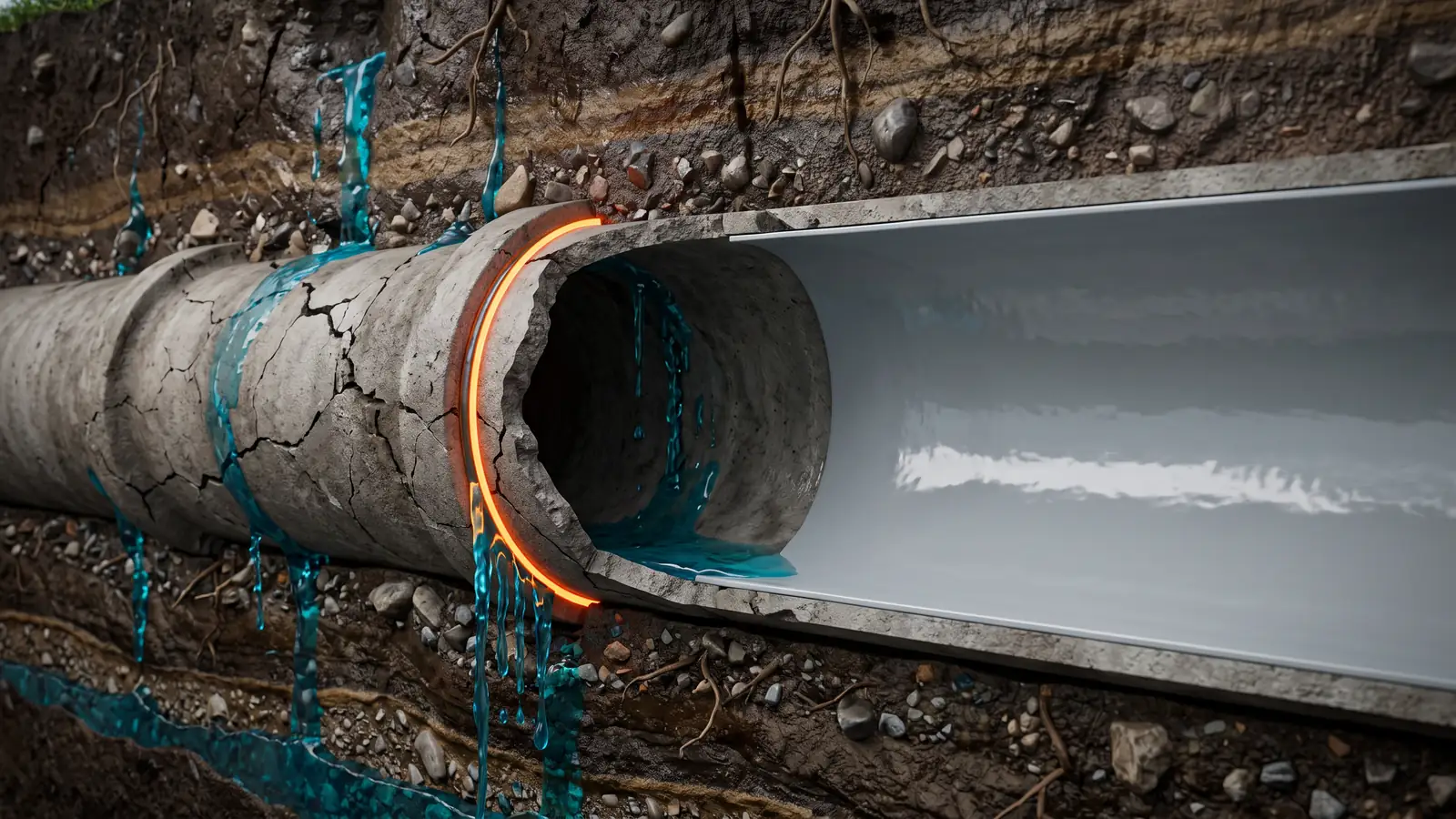
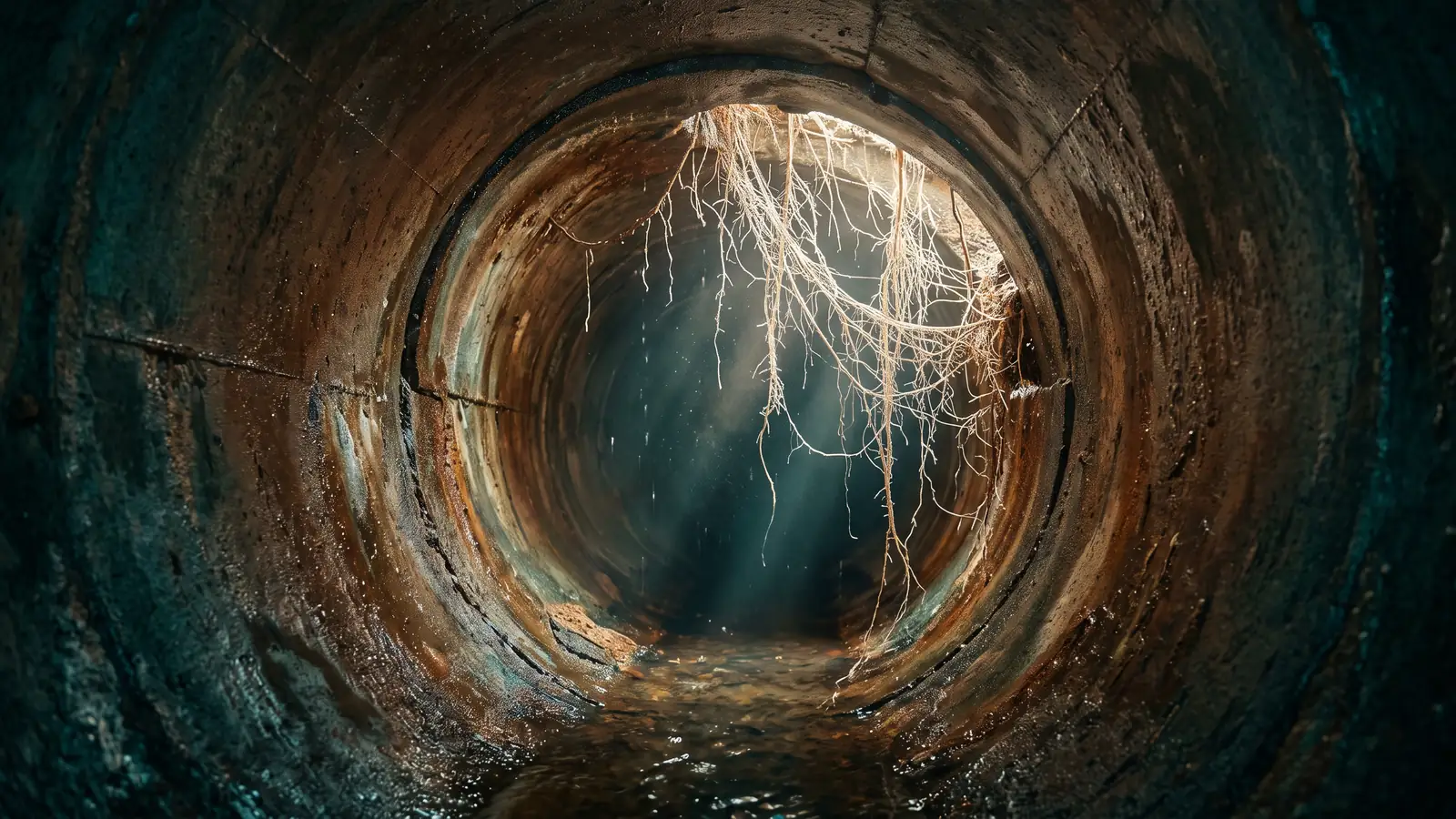
When planting, keep large trees and shrubs with aggressive roots well away from the sewer path. If you already have a tree near the line, a periodic camera check and a root-proofing repair if needed can avoid surprises.
Do not remove a healthy tree before looking at the pipe.
Respond early
Slow drains, gurgling and odors are early signs. Addressing them early means a smaller repair. Avoid chemical drain cleaners, which can damage old pipe, and call someone who can look inside the pipe.
Avoid driving heavy equipment over the sewer path when you can.
Quick answers
Do enzyme products help?
Some products help keep minor buildup down, but they do not clear heavy blockages or repair pipes.
How often should I inspect an old line?
Every few years is a sensible rhythm for older homes, and before any buying or selling.
Have a pipe question?
Call (615) 952-0844 or send the form below, and we will suggest a recorded camera inspection and the options that fit.