Key takeaways
- Heavy rain exposes leaky joints and cracked pipe
- Check gutters, downspouts and yard drains first
- Know the signs of a wet-weather problem
- A camera run during or after rain shows what dry weather hides
Before the rains
Clear gutters and downspouts and make sure they discharge well away from the house and the sewer path. Clean out leaves and silt from yard and storm drains. Check that sump pump discharge goes outdoors, not into the sewer.
Locate your cleanout and make sure it is accessible and capped.
Watch for signs
Slow drains, gurgling, wet spots in the yard, damp basement corners or sewer smells after rain suggest water getting into the line. A backup during a storm is a sign the pipe or the connection is overloaded.
Write down when problems occur.
Inspect when it counts
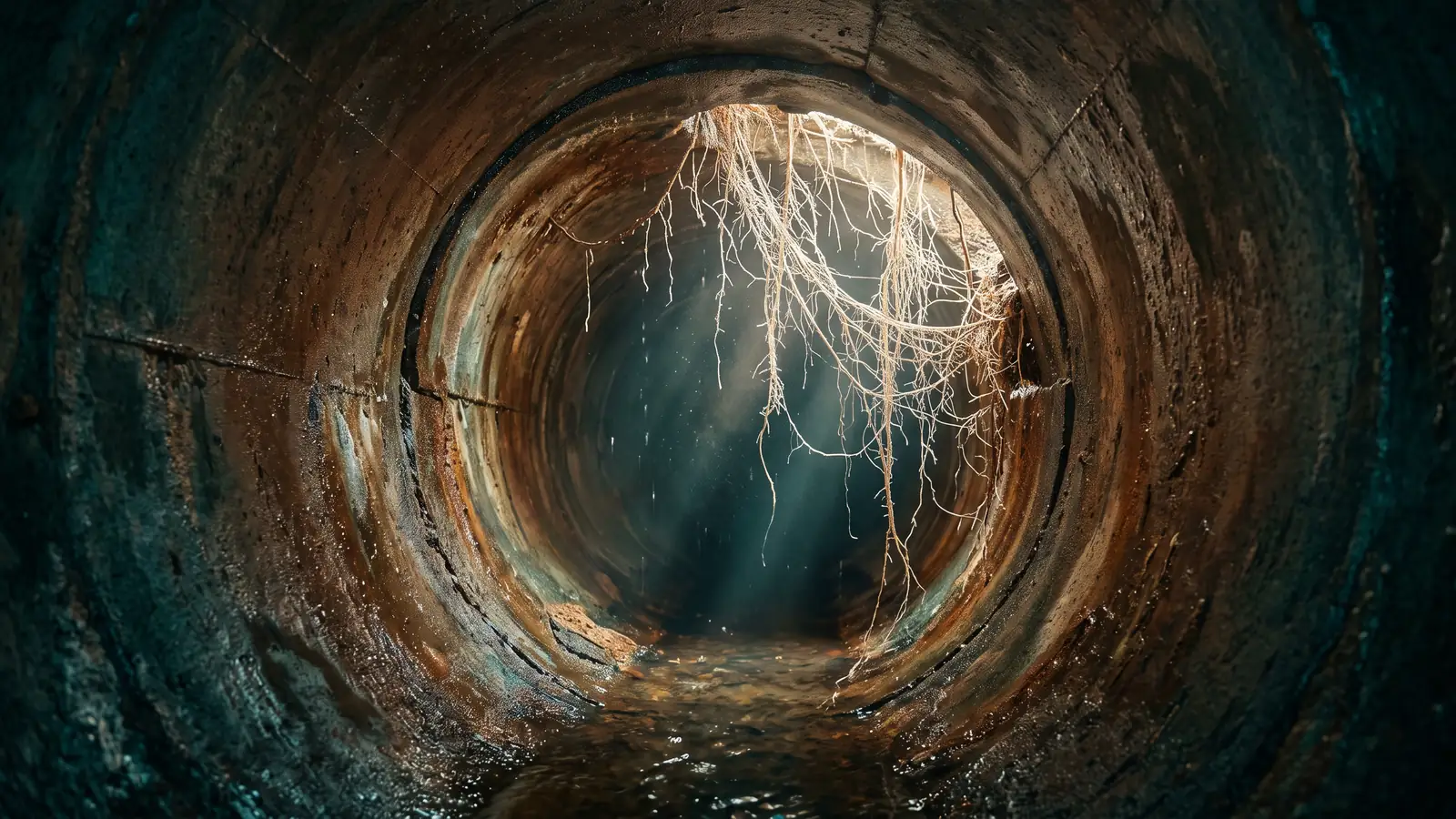
A camera inspection during or soon after rain can show water trickling into the pipe at cracks and joints. Combined with a locate, it points to exactly where sealing is needed.
Dry-weather cameras miss some of these leaks.
Fixes that help
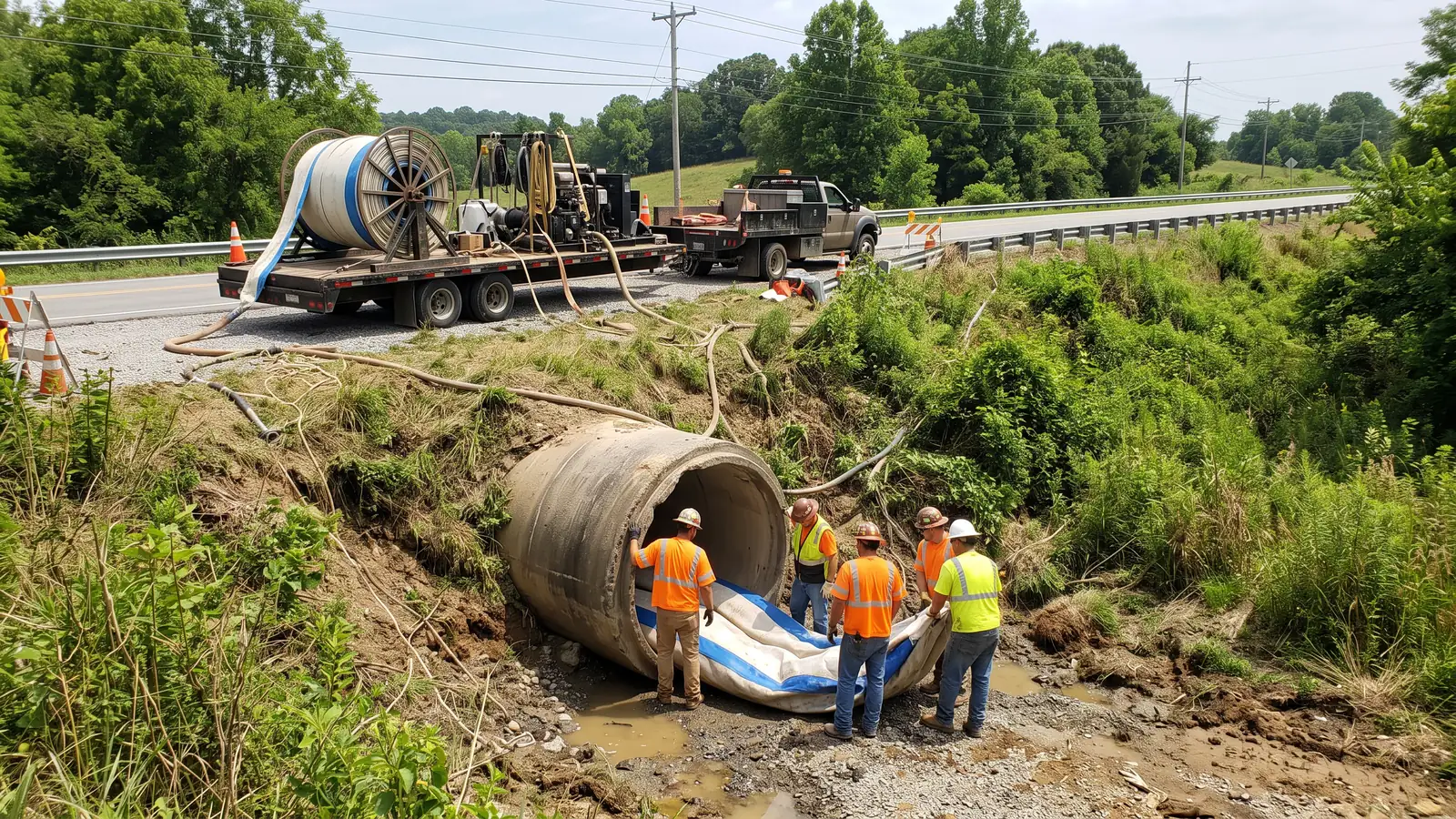
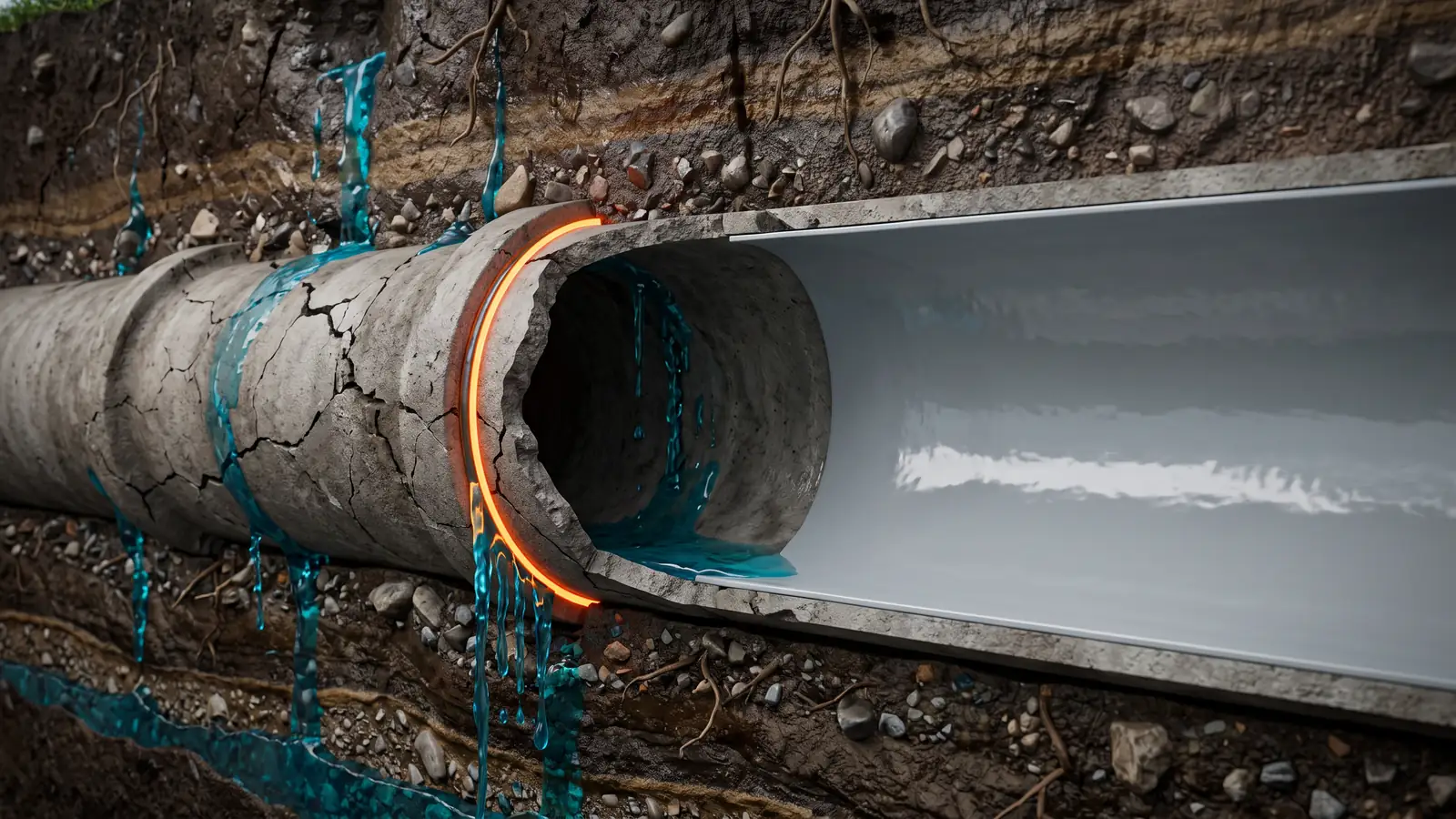
Seal leaking joints and cracks with patches or a liner. Remove cross-connections of stormwater to the sanitary line where allowed. Improve yard grading and downspout discharge. A backwater valve may help in some cases.
Public mains are the utility’s job, so report issues to them.
Quick answers
Can heavy rain cause a sewer backup?
Yes, if the line leaks water in or the public main surcharges. Sealing your line helps with the first cause.
What if the backup is in the street main?
That is a utility matter. A camera on your lateral can show whether the problem is on your side.
Have a pipe question?
Call (615) 952-0844 or send the form below, and we will suggest a recorded camera inspection and the options that fit.