Key takeaways
- Choose a trenchless method where the pipe allows
- Mark and protect trees and beds before work begins
- Keep access points away from valuable features
- Plan restoration before the first shovel
Start with the method
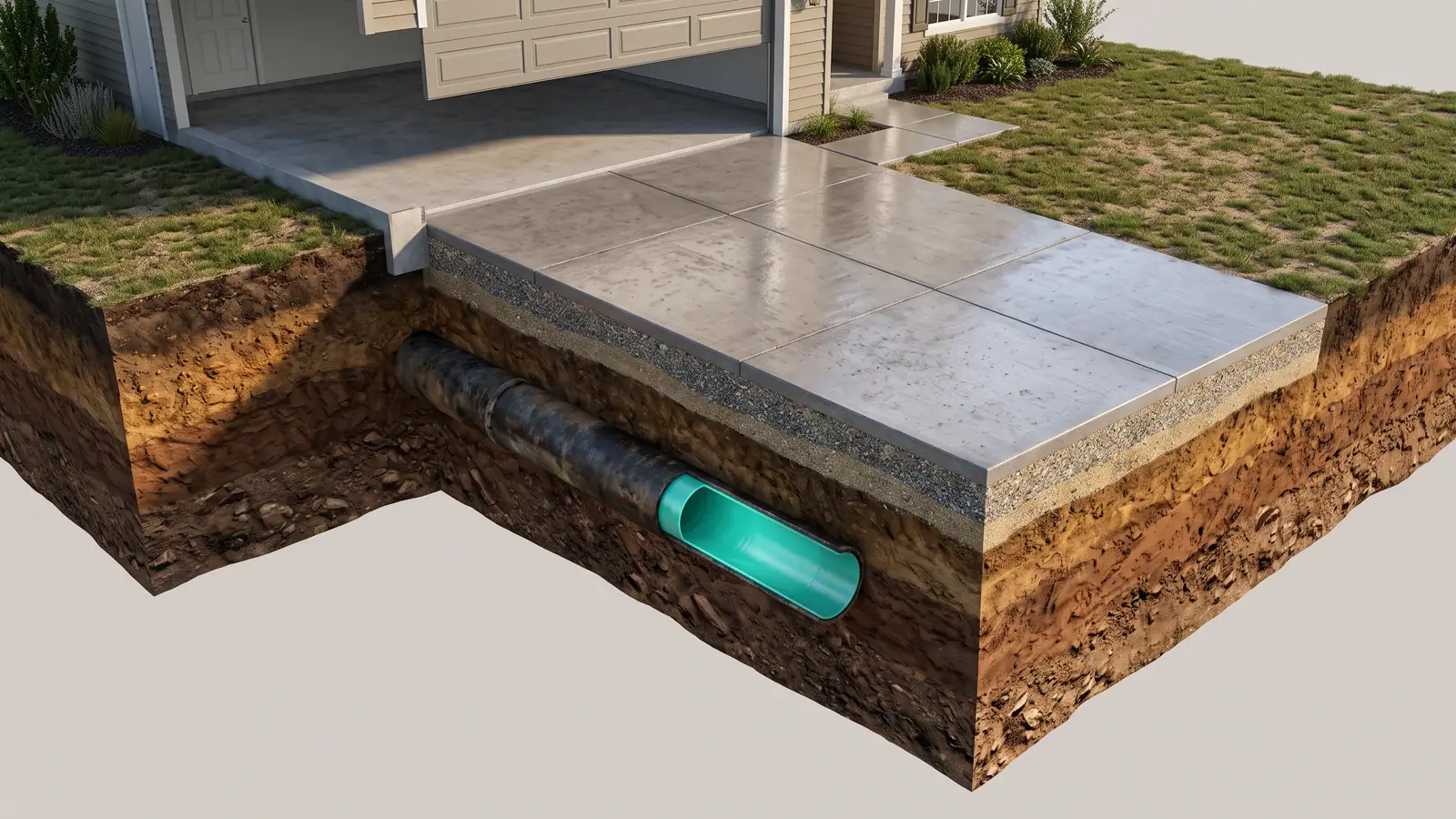
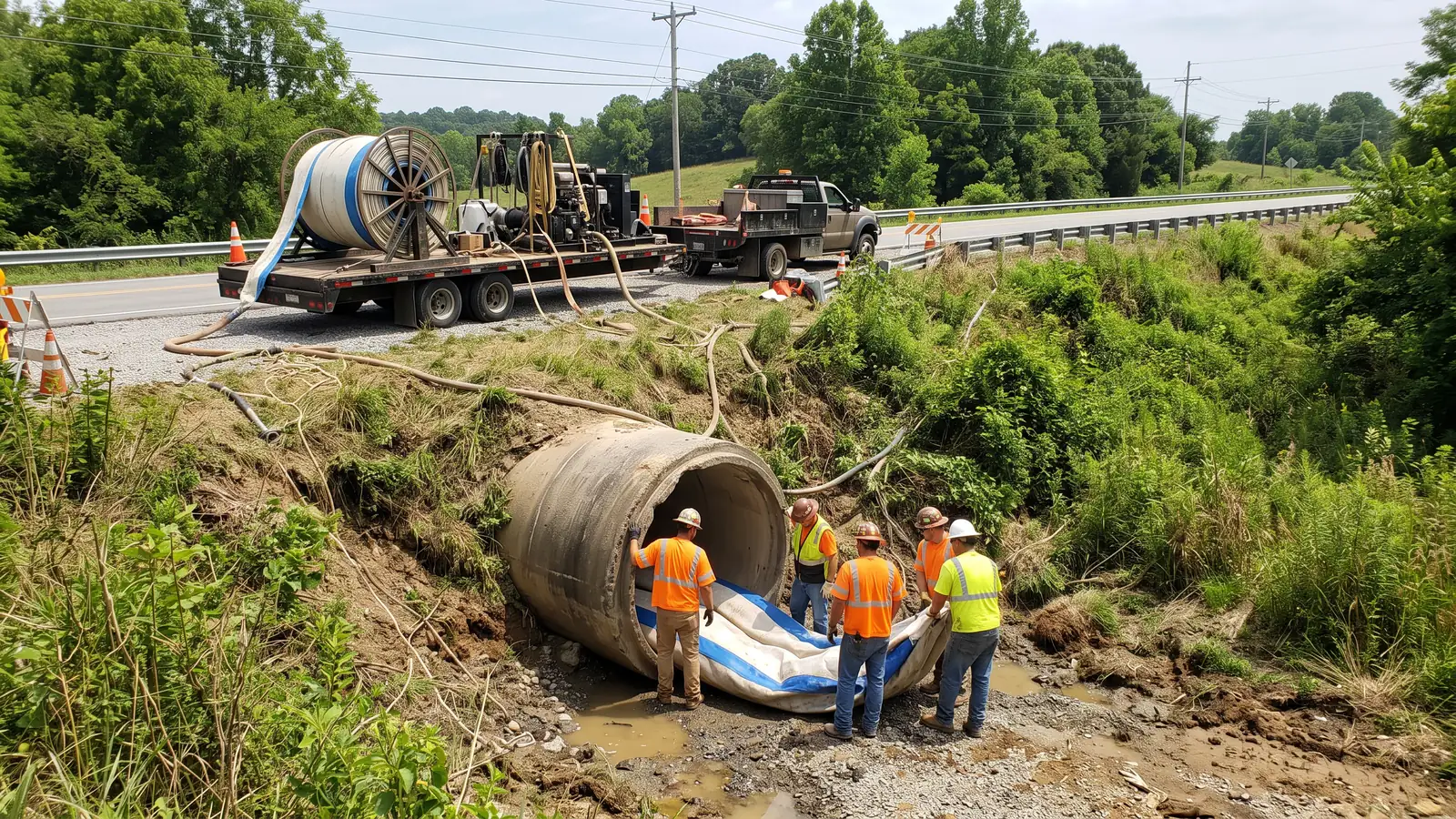
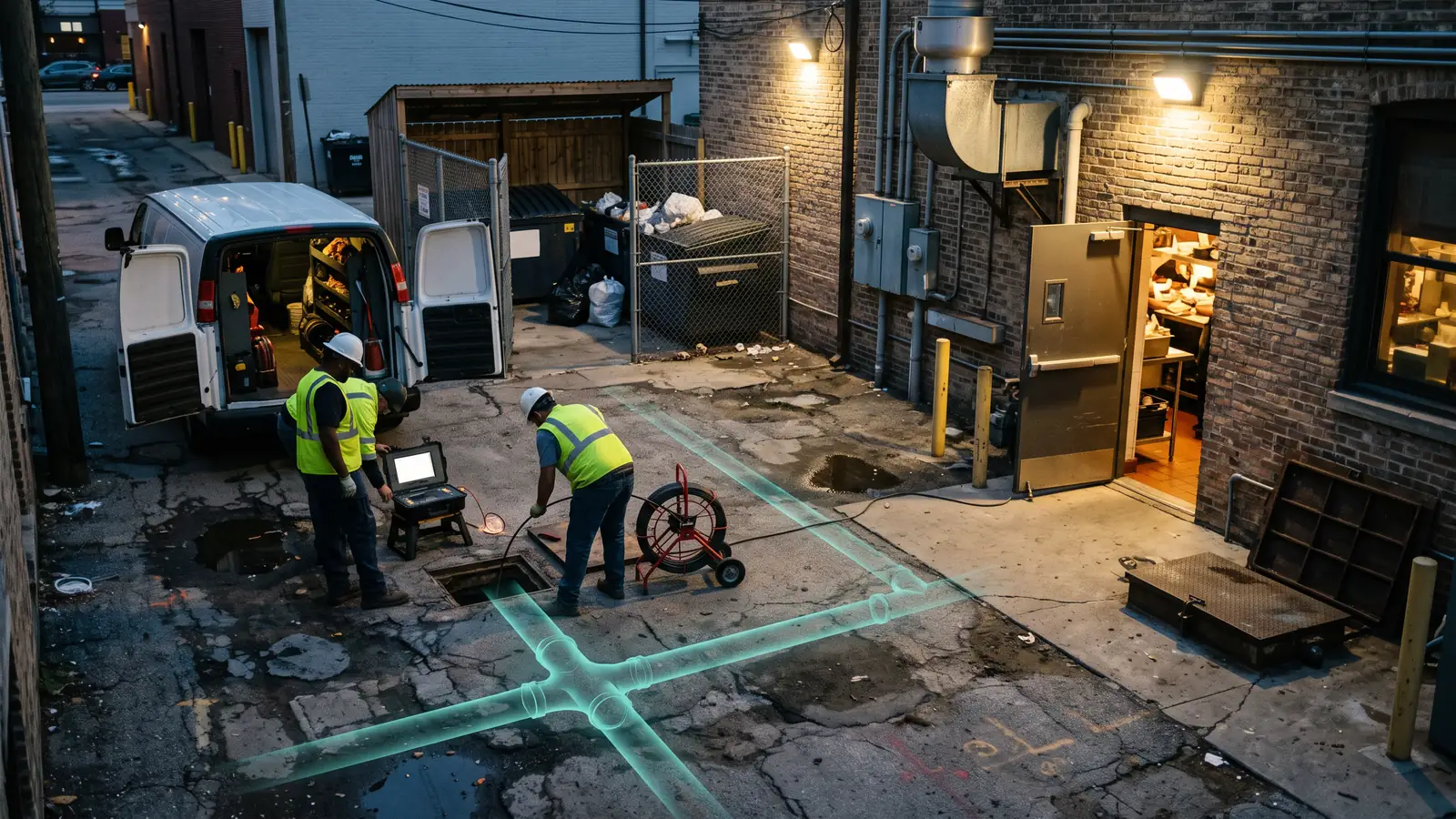
The biggest protection is not digging. Lining, patching and bursting from small pits leave most of the property as it is. A camera and a locate show which are possible on your line and where any pits would go.
If a dig is needed, ask for the smallest one that does the job.
Protect what is above
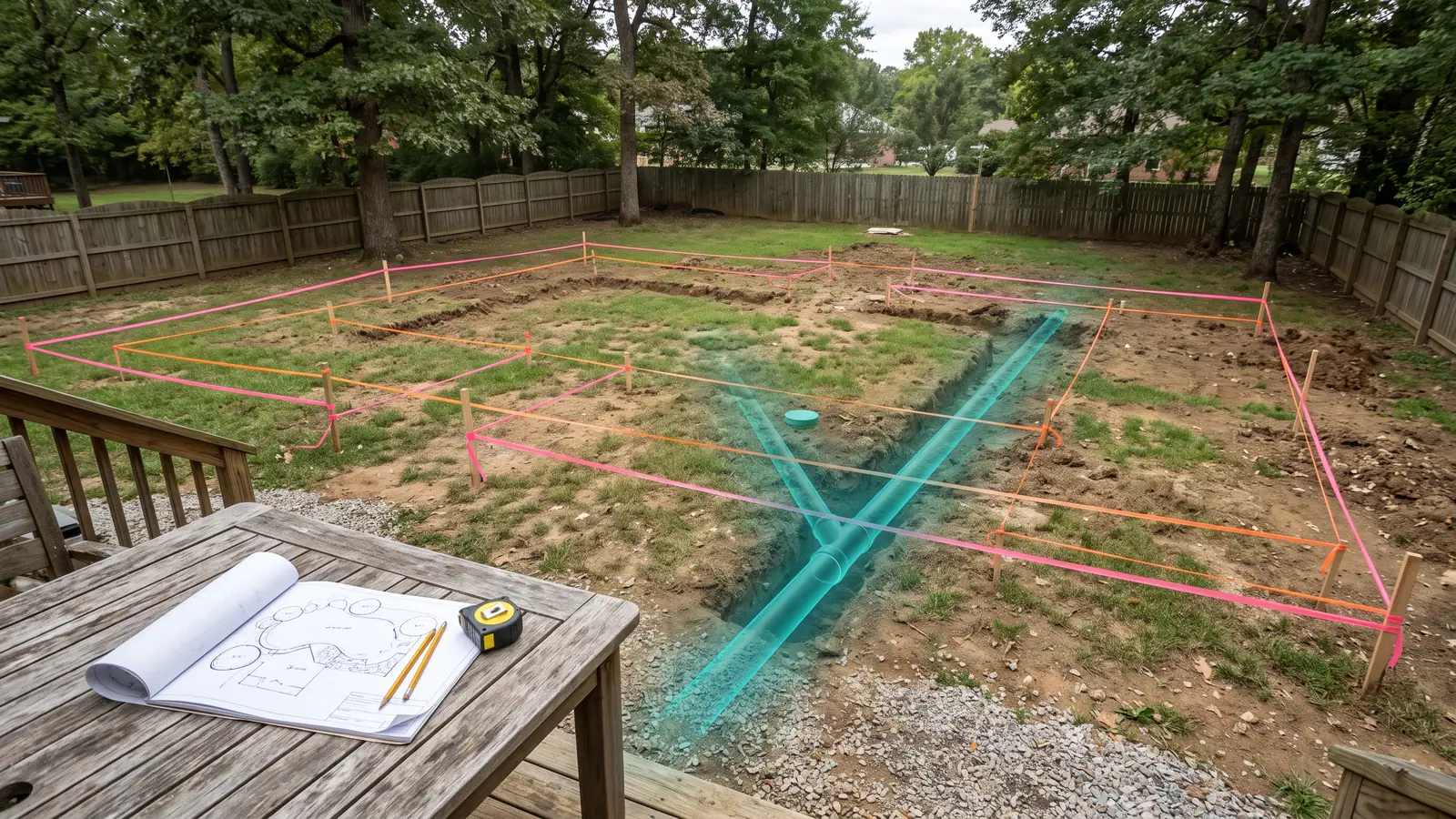
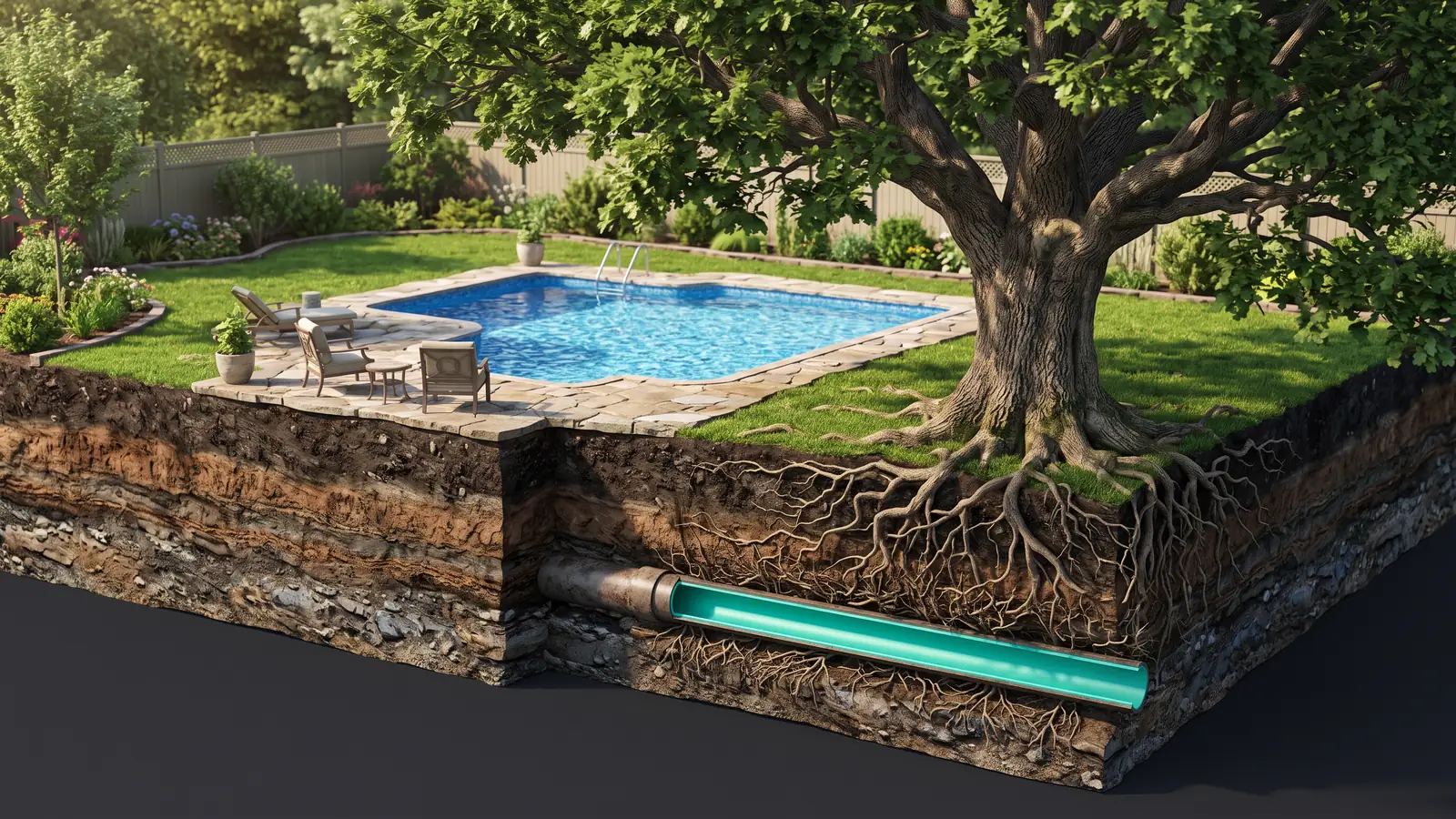
Mark trees, shrubs, sprinkler heads, invisible dog fences and landscape lighting before work. Ask the crew to lay plywood or mats where equipment will cross lawns. Keep pit and spoil locations away from tree roots and beds.
Tell the crew what matters most to you.
Plan the access
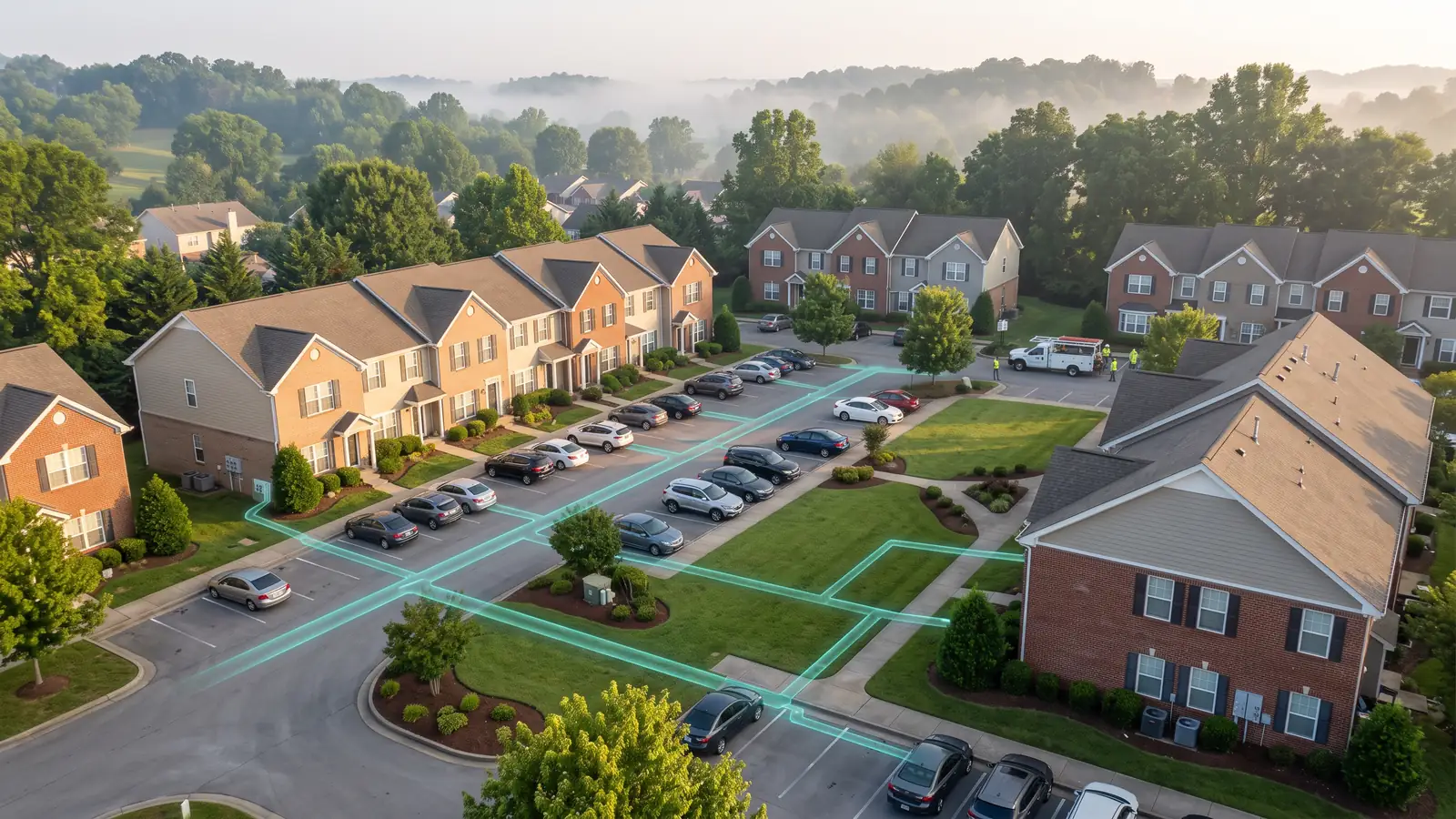
Cleanouts and pits should go where restoration is easiest: near hard edges, in mulched beds or on bare ground. Avoid the middle of a pristine lawn or the root zone of a mature tree if you can.
A new cleanout, once installed, makes future work nearly invisible.
Restoration
Ask who restores what, and when. Topsoil, sod and mulch are typically restored by the contractor after small pits. For larger digs, discuss a plan with a landscaper as well. Take before photos for reference.
Keep an eye on settling over the next few months.
Quick answers
Will my lawn recover from a small pit?
Usually yes, with proper backfill and sod or seed. Settling can occur and may need a touch-up.
Can you avoid cutting tree roots?
Trenchless methods avoid most. Where a pit is needed, we choose a spot away from major roots.
Have a pipe question?
Call (615) 952-0844 or send the form below, and we will suggest a recorded camera inspection and the options that fit.