Key takeaways
- Shared sewer lines affect many owners at once
- A camera survey creates a factual base for decisions
- Phasing spreads cost across reserve cycles
- Documentation protects the board
Start with facts
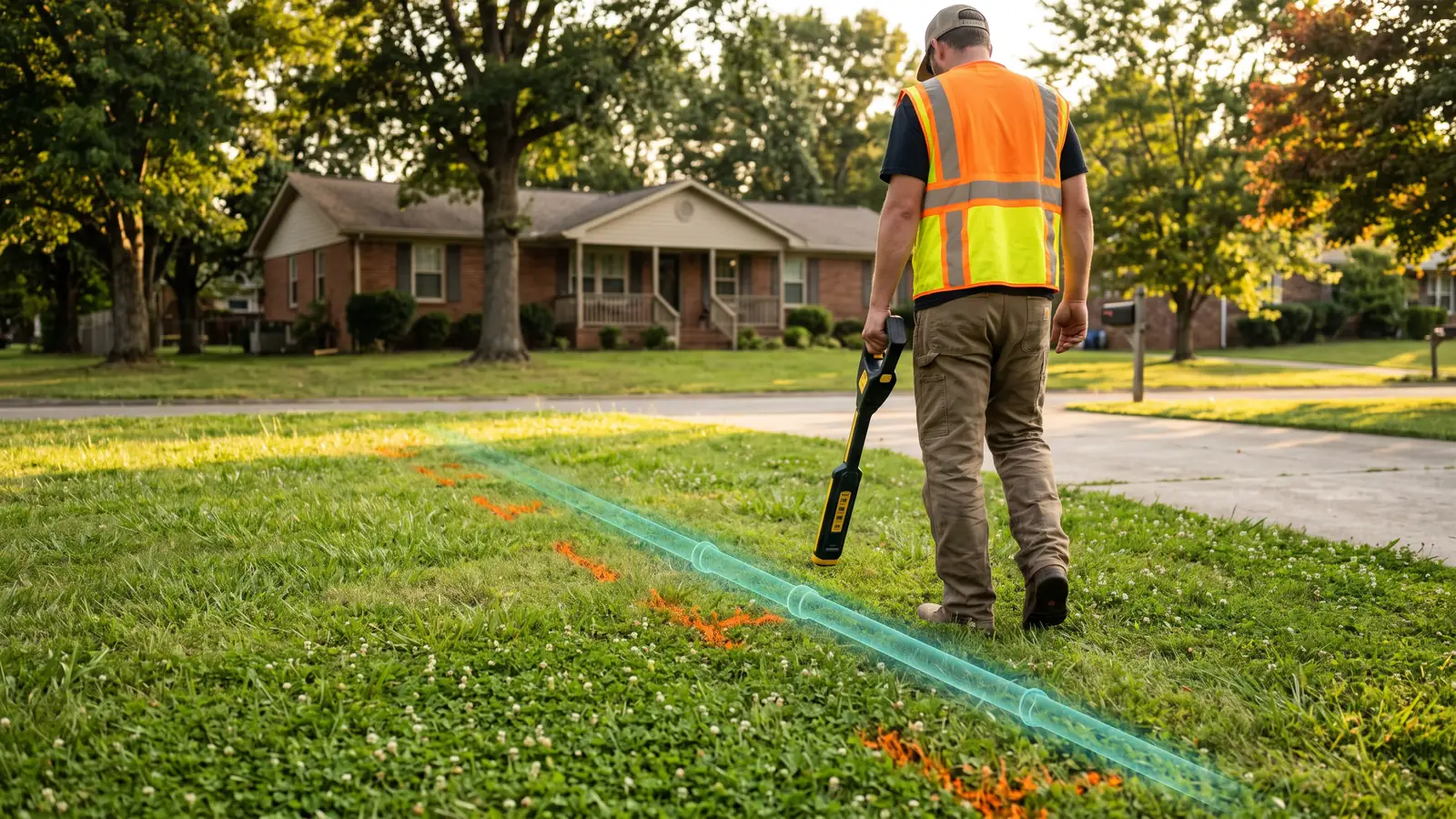
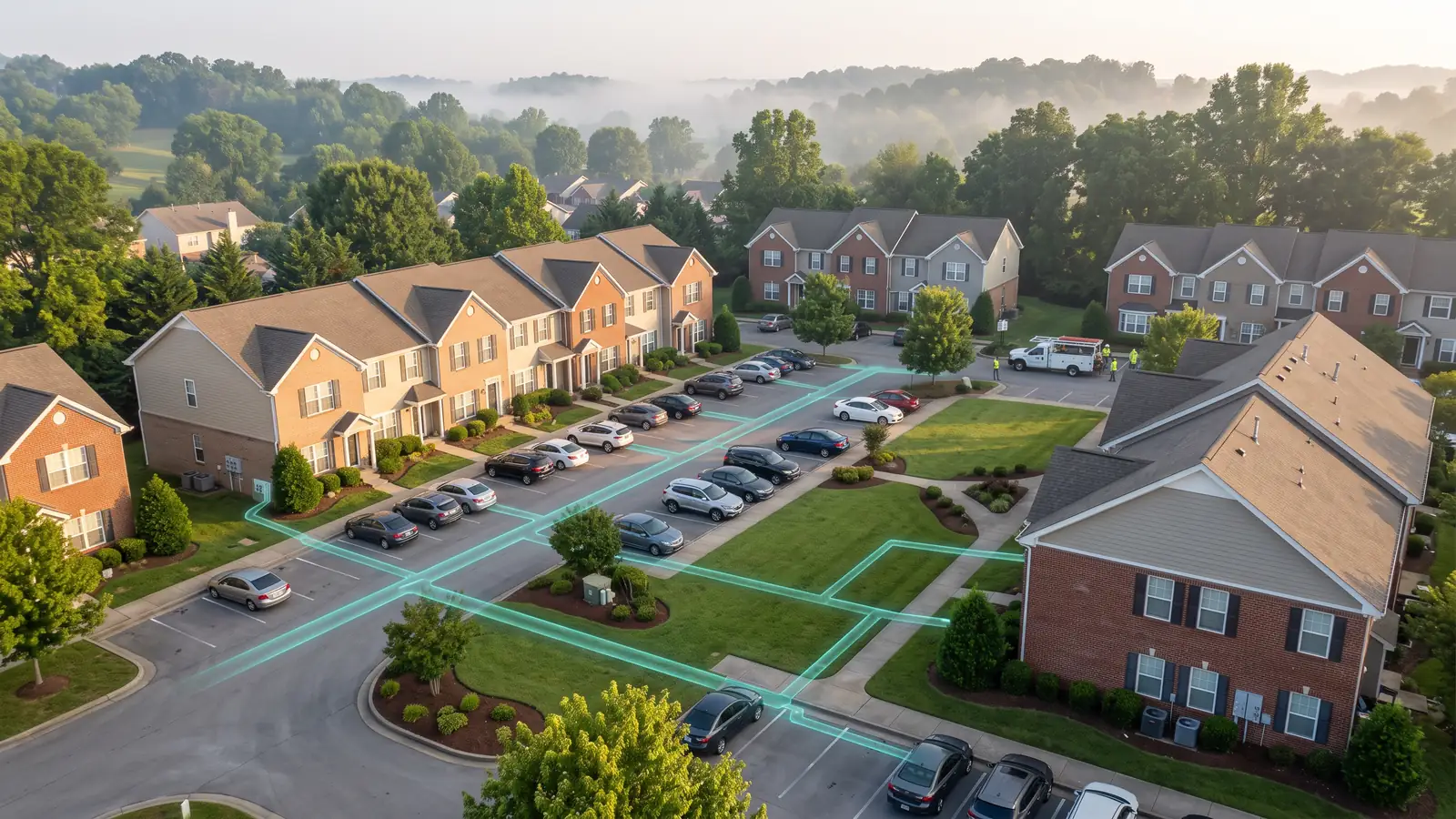
Before choosing repairs or budgets, a camera survey of the shared lines, with a map of which buildings and units connect where, gives the board an objective picture. Photos, video and a written summary support transparent decisions.
It also helps separate private lateral issues from shared main issues.
Rank and phase
Sort findings into act now, monitor and can wait. Use the ranking to phase repairs across years. A phased plan can fit reserve funding and avoids special assessments where possible.
Review the plan annually as conditions change.
Choose methods that protect common areas
Trenchless lining and patching minimize digging in lawns, parking and walkways. Targeted excavations, where needed, are kept as small as possible and restored. Plan work with the landscape and parking calendar in mind.
Ask contractors how restoration is handled and who is responsible.
Communicate and document
Residents need notice of access, water shutoff windows and odor during curing. A single point of contact for the manager helps. Keep before and after video, the scope and the invoices in the association’s files.
Governing documents determine who pays for what, so consult the association’s advisers.
Quick answers
Who decides when repairs are urgent?
The board usually does, based on the camera evidence and advice. We provide the technical picture.
How do we avoid disputes between owners?
A clear map of which lines serve which units, and documentation, reduce arguments.
Have a pipe question?
Call (615) 952-0844 or send the form below, and we will suggest a recorded camera inspection and the options that fit.