Key takeaways
- Older homes often have clay, cast iron or fiber pipe
- Mature trees raise root risk
- Original lines may be past their expected life
- A camera inspection turns guesses into a plan
What lies underneath
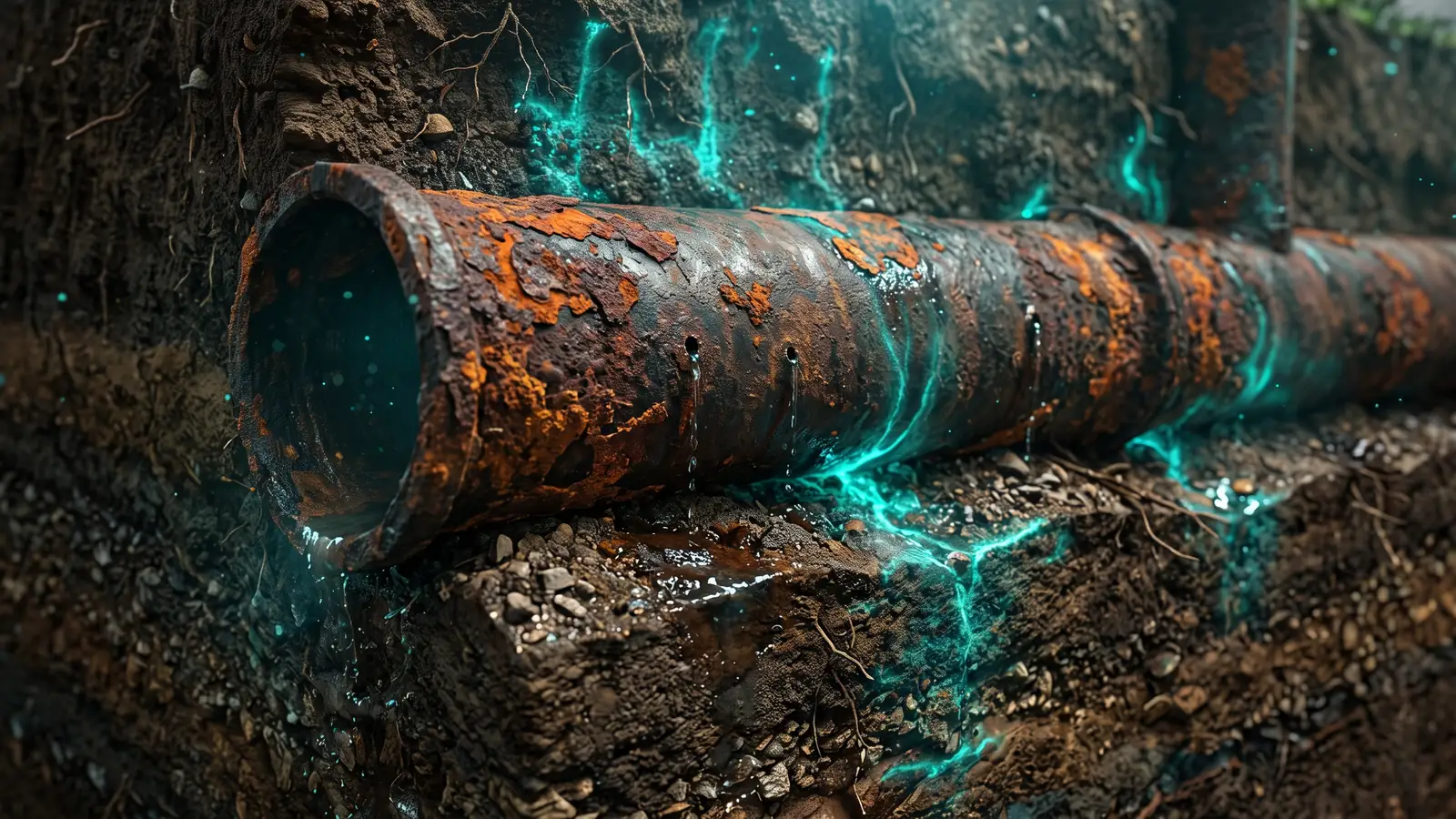
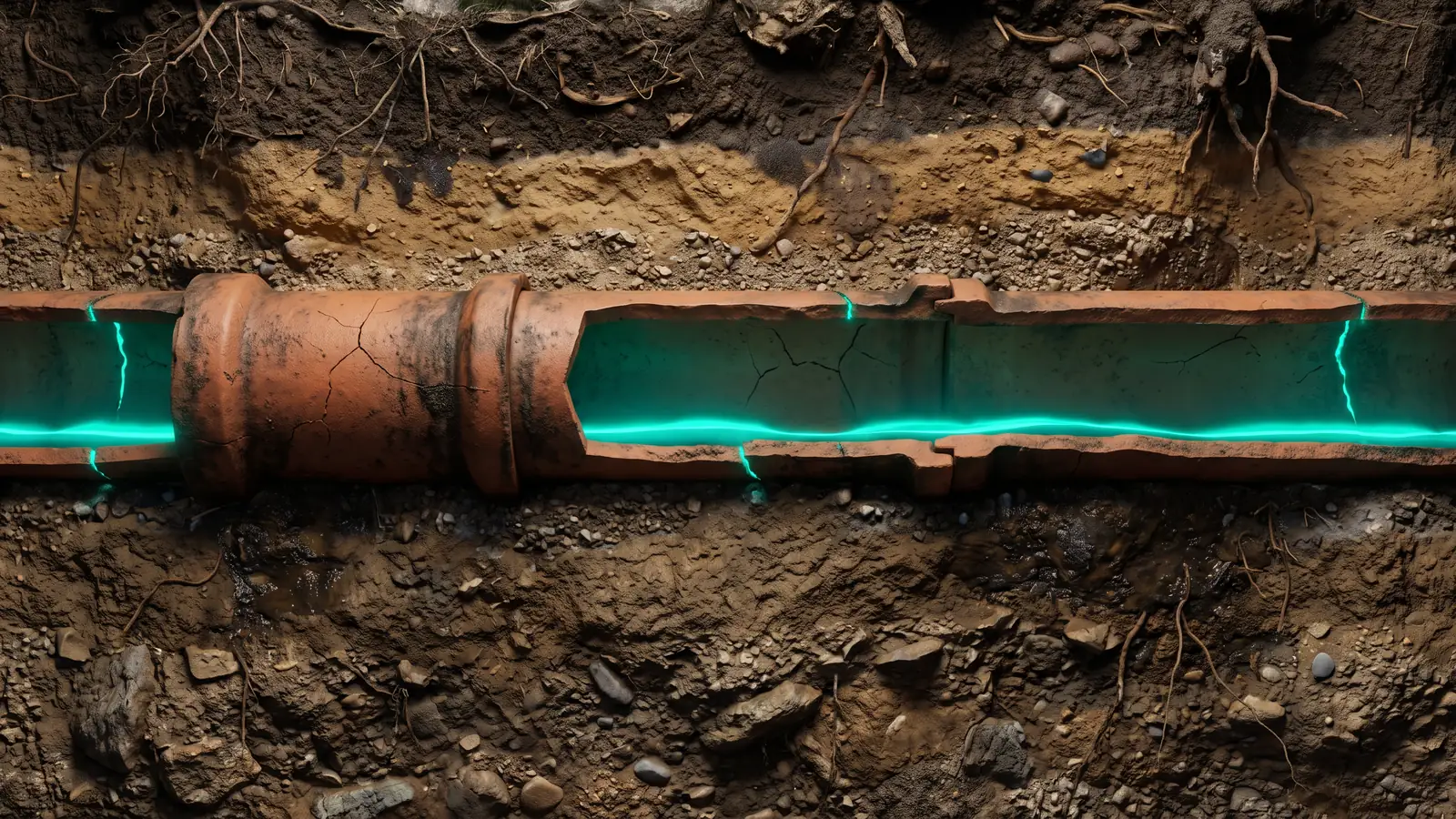
Homes built in the middle of the last century and before commonly have original sewer laterals made of clay, cast iron or bonded fiber. Many have been repaired over the years and may be a patchwork of materials.
Records are often missing, so the pipe’s material, path and condition are a mystery until someone looks.
Why trouble clusters in mature areas
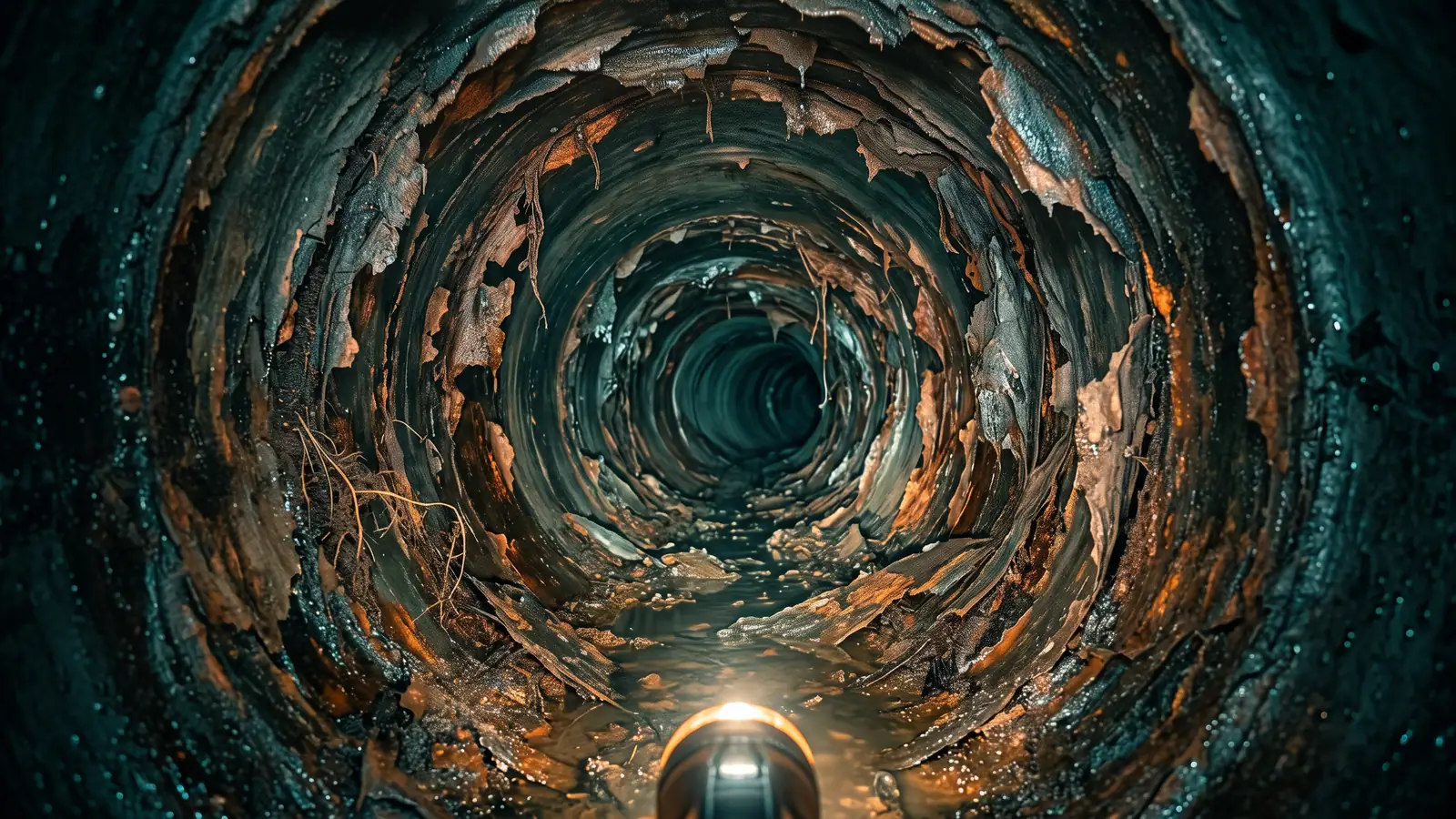
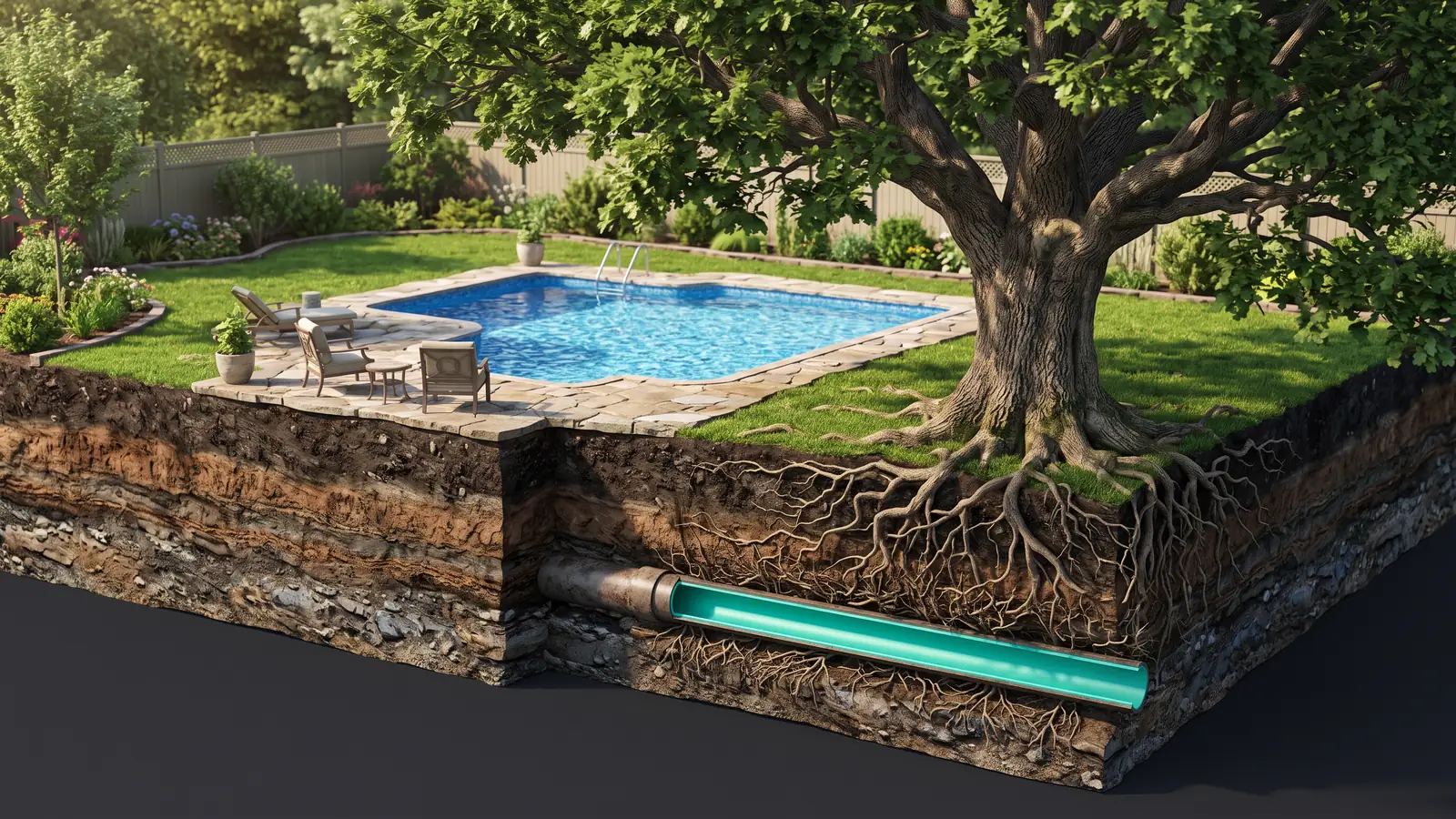
Mature trees, settled soil and decades of wear all add up. Roots find old joints. Clay cracks. Cast iron scales. Fiber deforms. Adding a new bathroom or a patio changes loads and flows.
Streets with many original lines often see similar problems from house to house.
Planning ahead
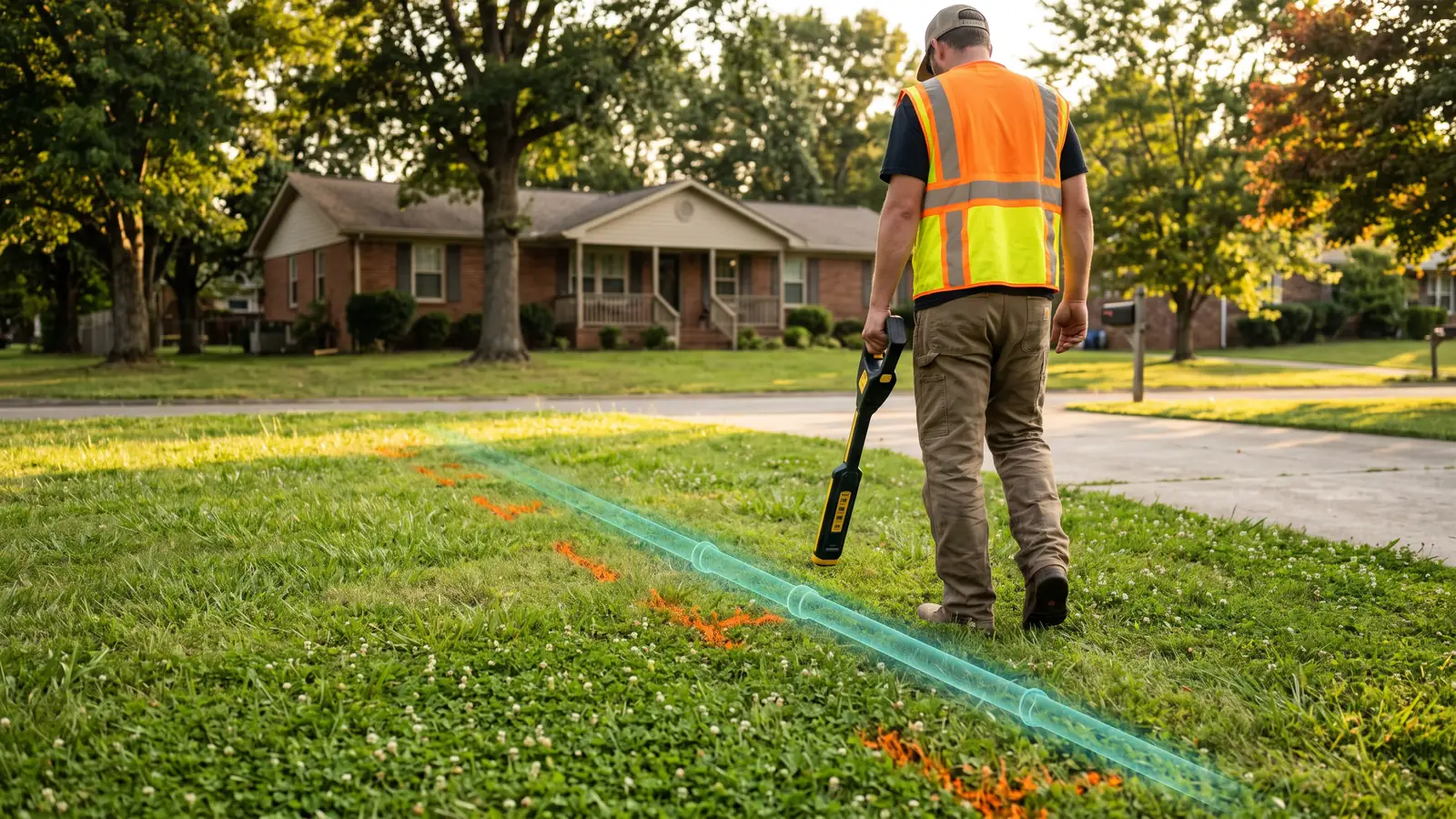
A camera inspection, ideally with a locate, gives a baseline. Even if the pipe is working, you will know what it is and what shape it is in. If it shows early damage, you can plan a repair at a time of your choosing.
A cleanout makes future checks easier.
Repair options for older pipe
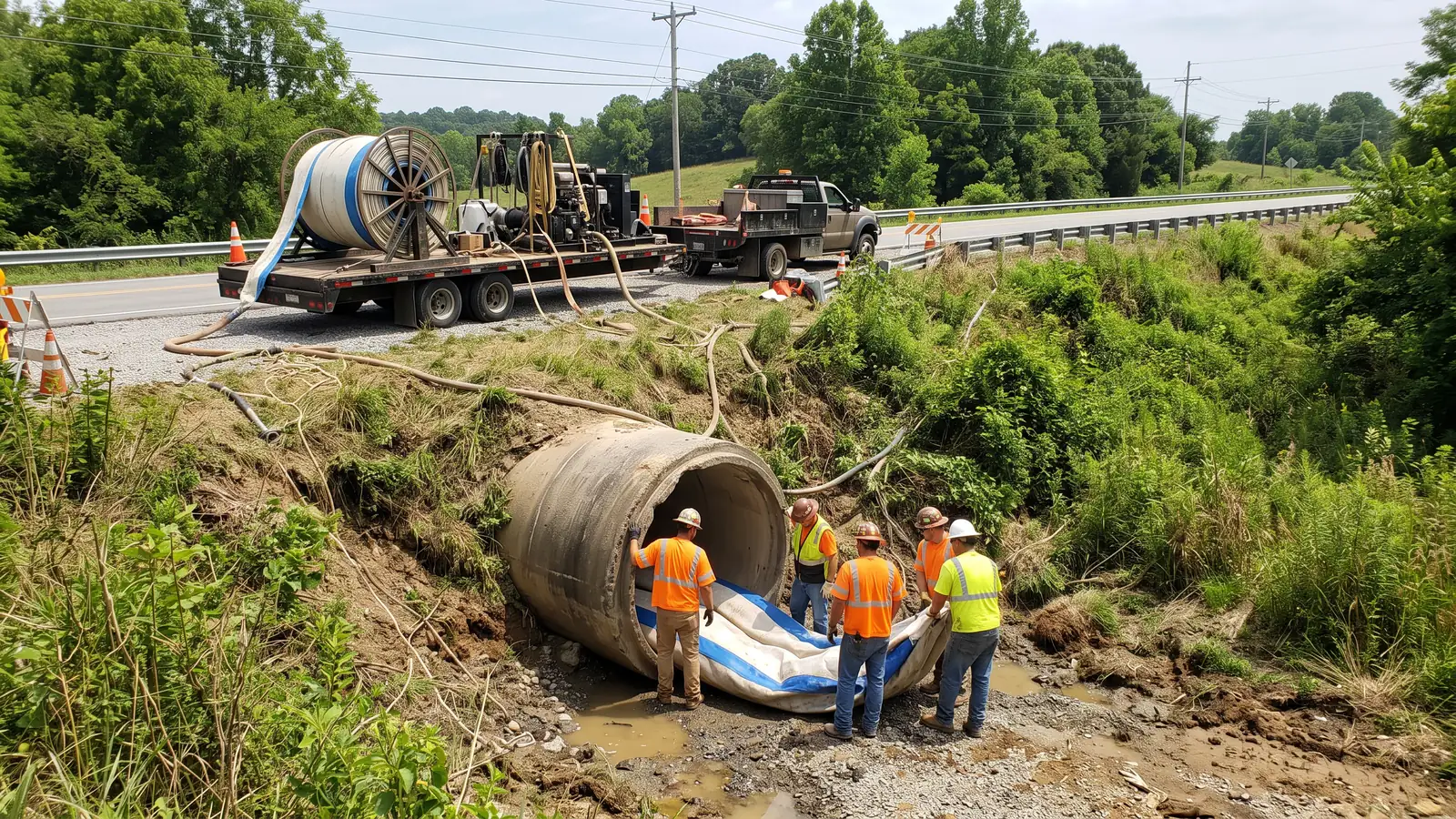
Many older pipes can be lined if still round and aligned. Others need replacement by bursting or a targeted dig. The camera shows which. Rushed emergency repairs are almost always more disruptive than planned ones.
Neighbors who share trees or a street often find that comparing notes helps.
Quick answers
How old is too old?
There is no single age. Material, soil and tree conditions matter more than the calendar.
Should I scope before problems start?
Many owners of older homes do. It is inexpensive and prevents surprises.
Have a pipe question?
Call (615) 952-0844 or send the form below, and we will suggest a recorded camera inspection and the options that fit.