Key takeaways
- Middle Tennessee soils range from heavy clay to shallow limestone
- Clay expands and shrinks with moisture
- Shallow rock can limit digging and boring
- Locating and camera work reduce surprises
What is underground
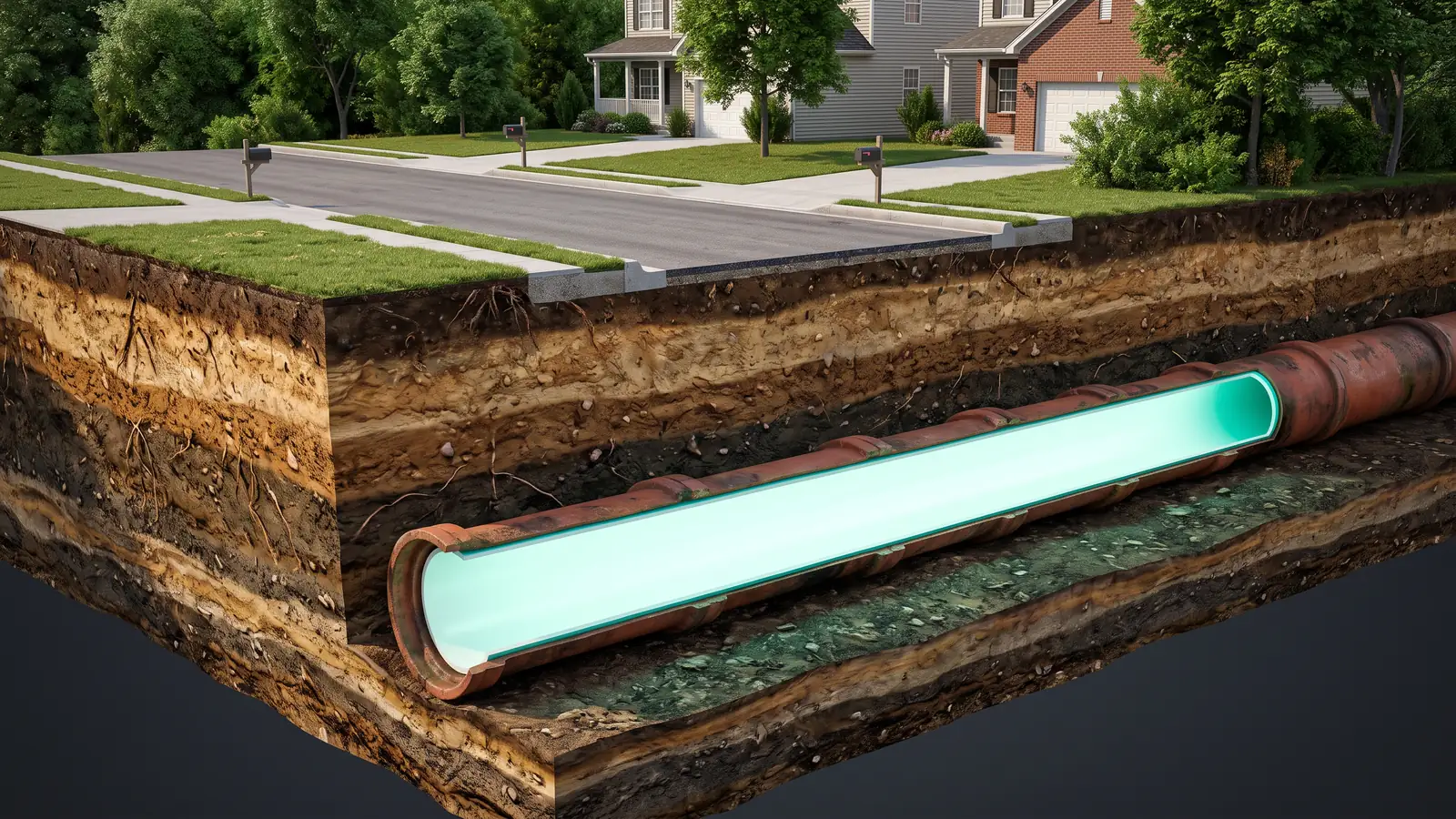
Across Middle Tennessee, the ground varies a great deal. Many areas have red or brown clay soil of varying depth, often over limestone bedrock. In some places rock sits close to the surface; in others it lies much deeper. Hillsides, floodplains and filled land all behave differently.
This is general geology, and the real answer is always on your lot.
How soil affects pipes
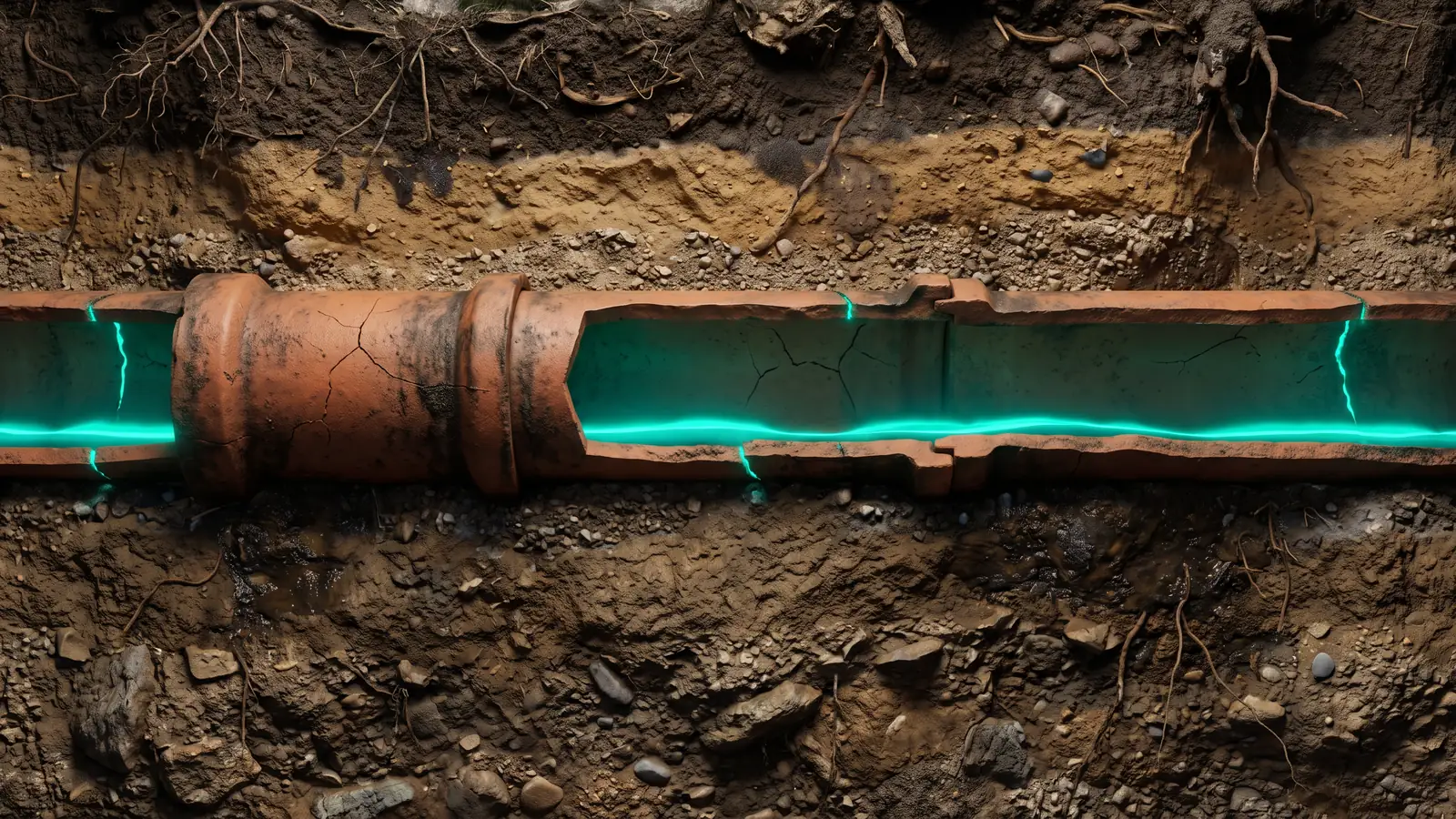
Clay swells when wet and shrinks when dry, which can shift pipe and open joints over seasons and years. Poor drainage around a pipe adds to the effect. Water running along a trench can wash soil away and leave voids.
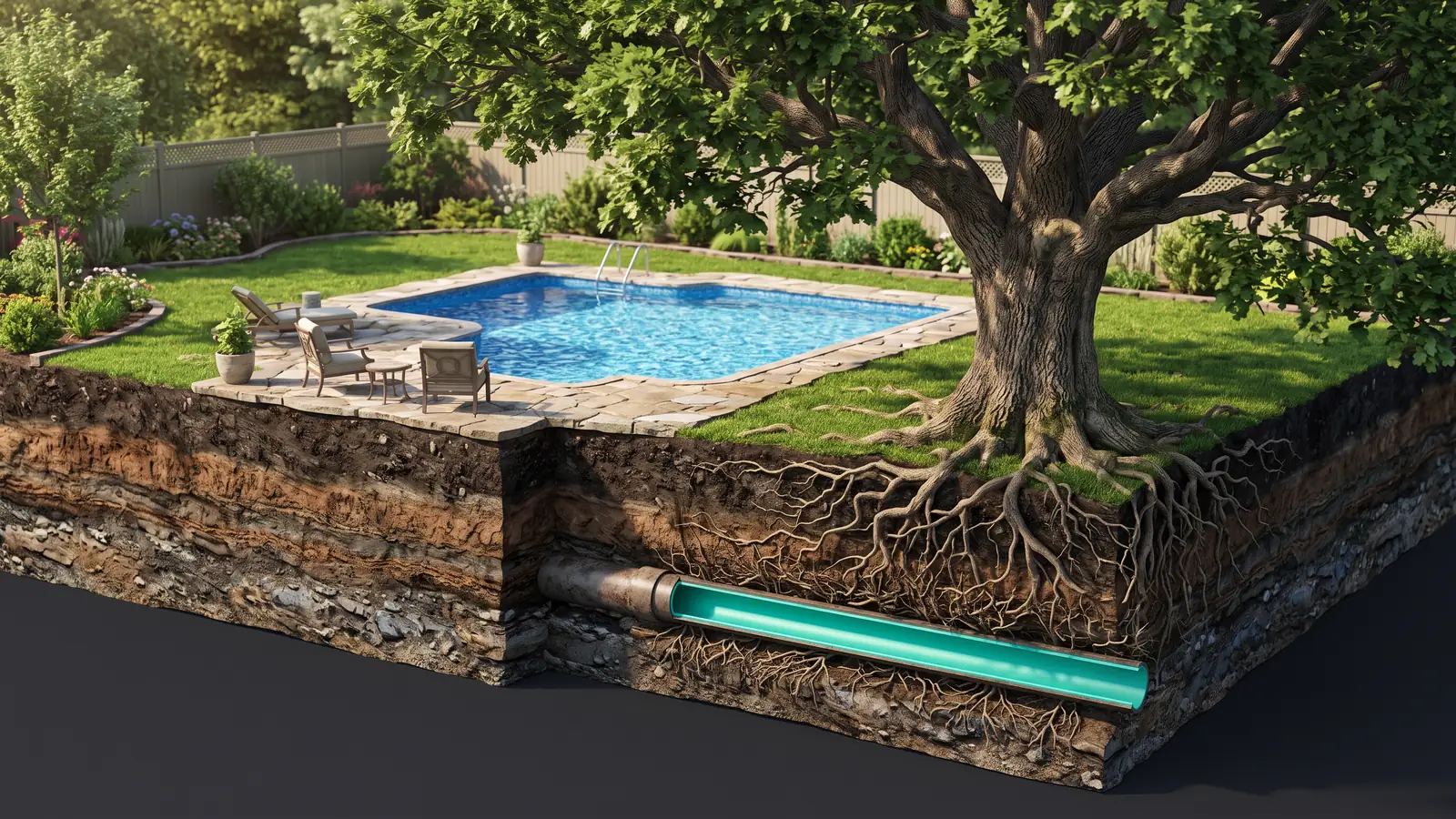
Roots follow moisture through clay as well.
How rock affects repair
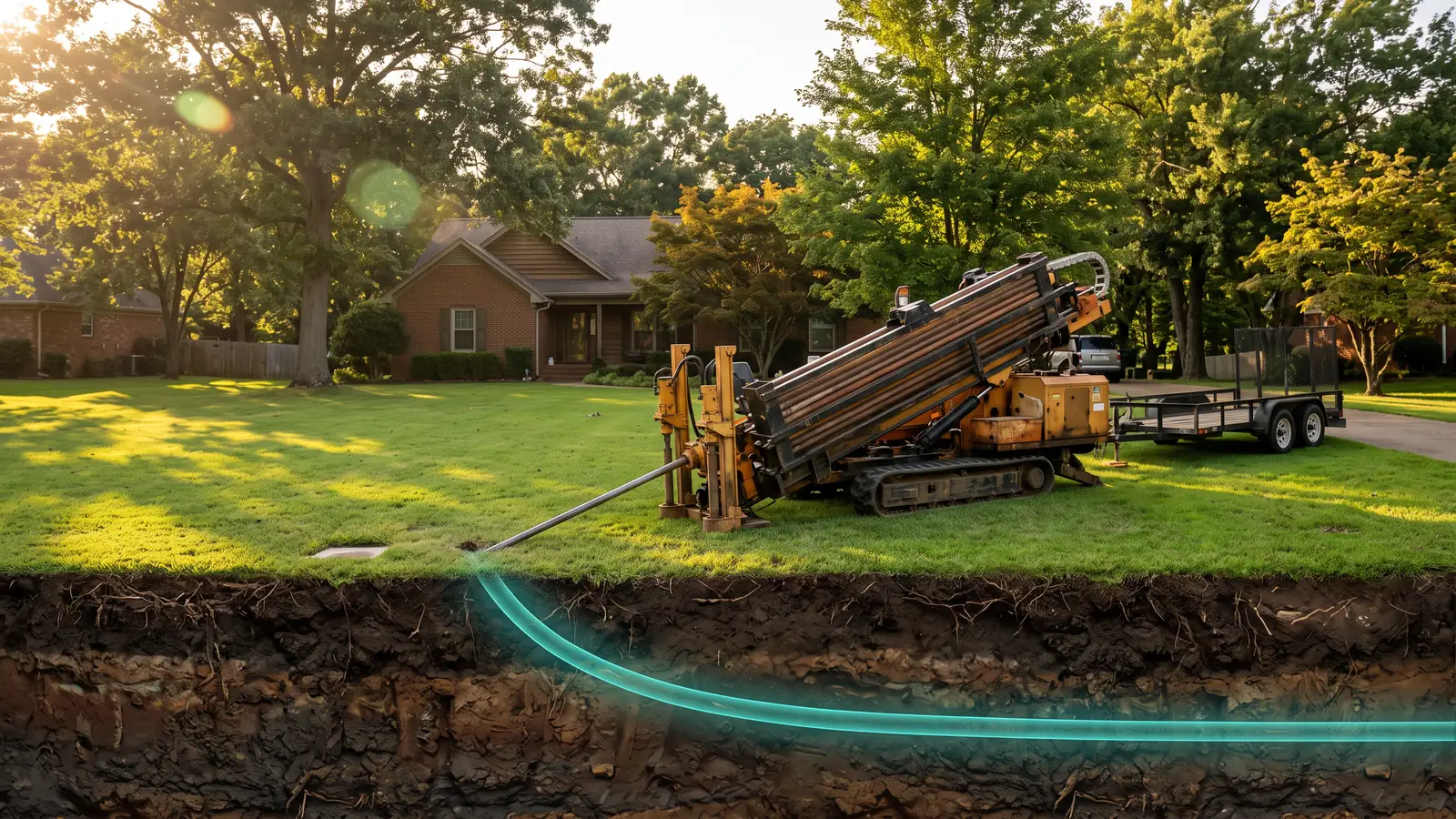
Where rock is shallow, excavation can be slow and expensive, and boring can be limited. This is one reason trenchless lining, which does not need a trench, is attractive in rocky ground.
It does not remove the need to locate other utilities and check conditions.
What helps
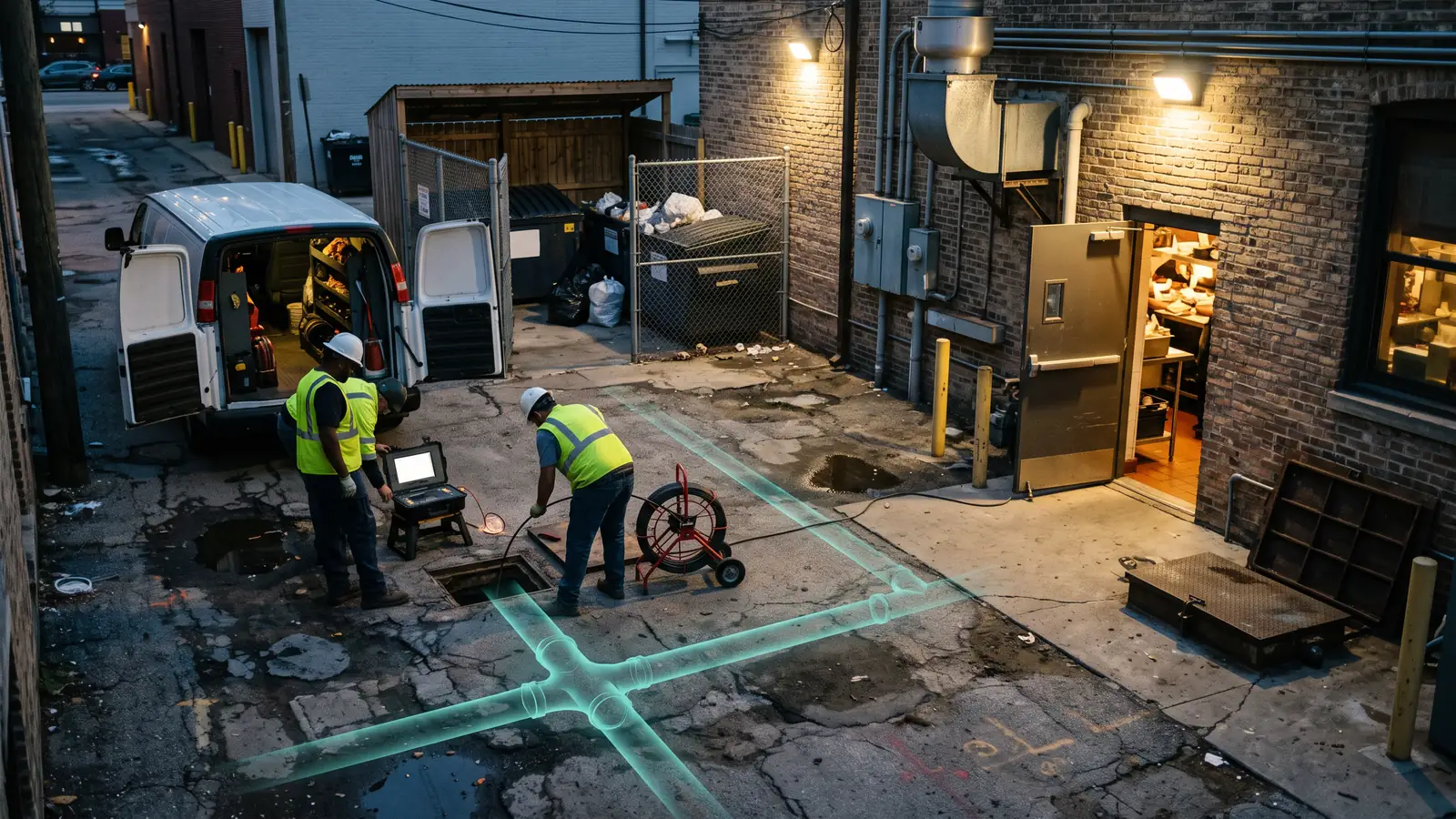
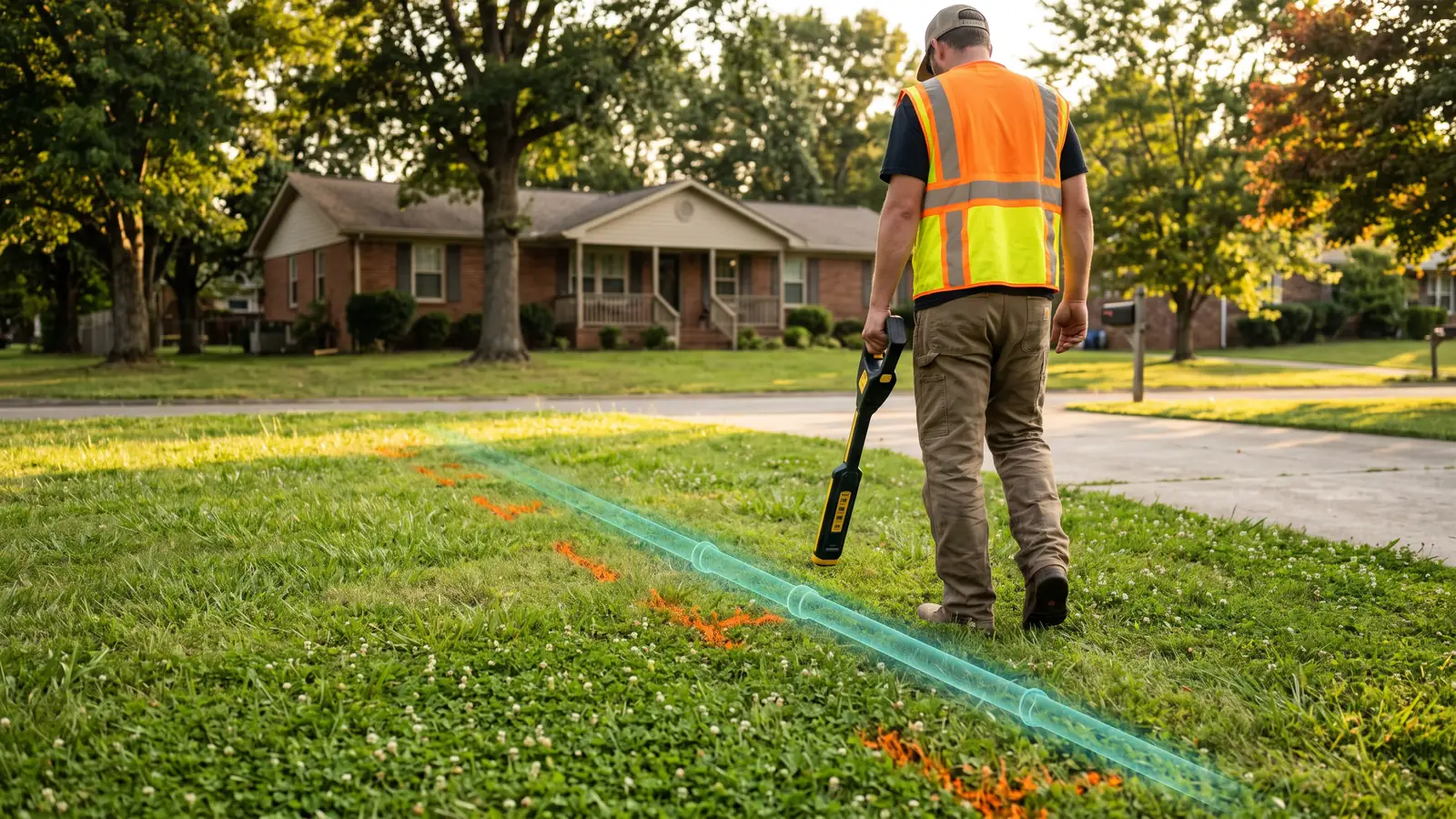
A camera and a locator show the pipe and its depth. Local experience helps predict what to expect. Good drainage around the house and keeping gutters and downspouts away from the line help too.
If you are building, a quick look at the sewer path before work can save trouble.
Quick answers
Is my lot rocky?
Neighbors and local building records can hint, but a site visit and locate tell the story.
Does rock stop trenchless methods?
Lining is usually unaffected, while boring and bursting can be limited by rock. We assess case by case.
Have a pipe question?
Call (615) 952-0844 or send the form below, and we will suggest a recorded camera inspection and the options that fit.