Key takeaways
- Both methods harden the same kind of resin
- UV cure uses a light train and a glass-fiber liner
- Hot-water or steam cure uses heat and a felt liner
- Neither is better in every case
How hot-water and steam cure work
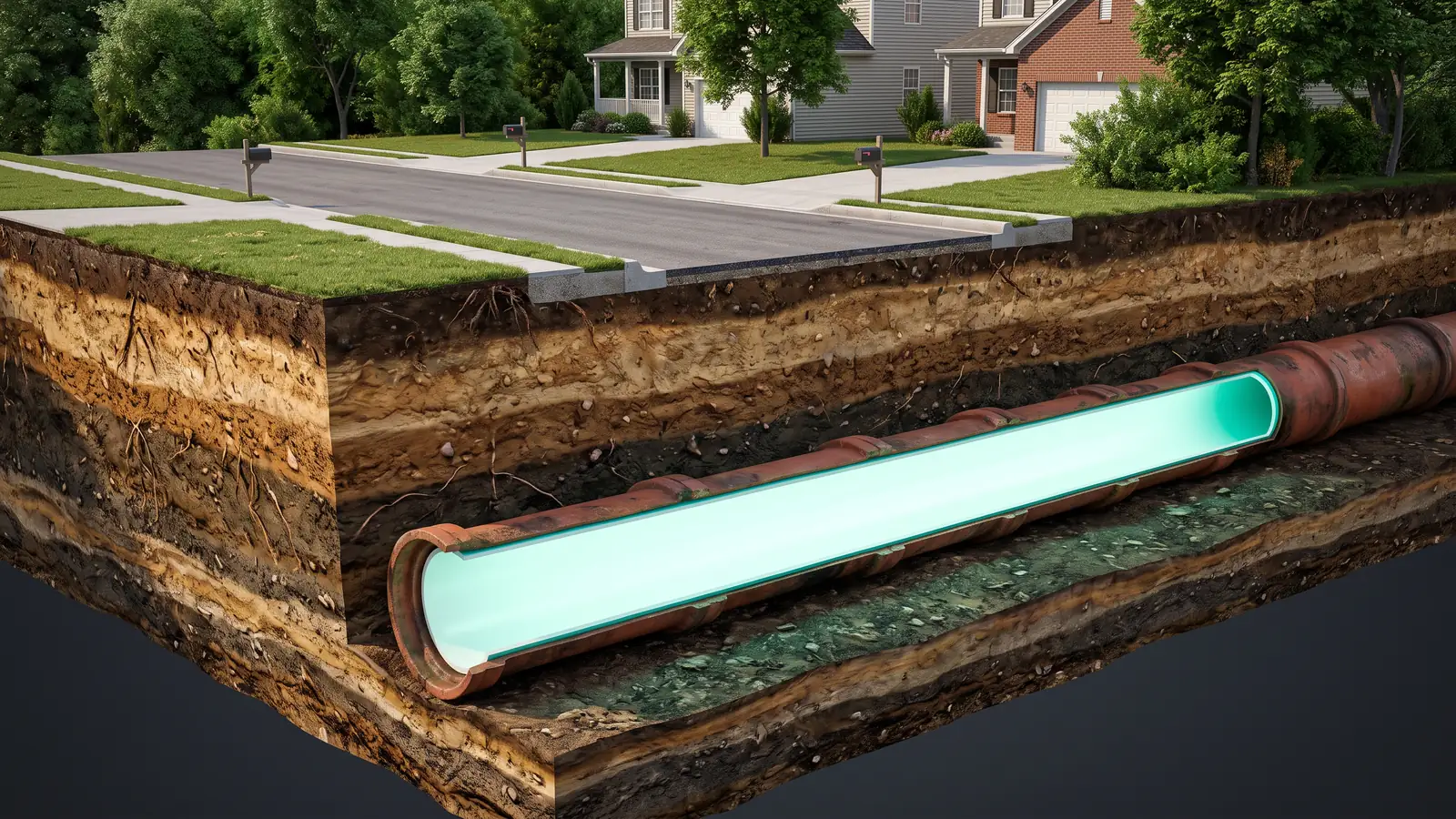
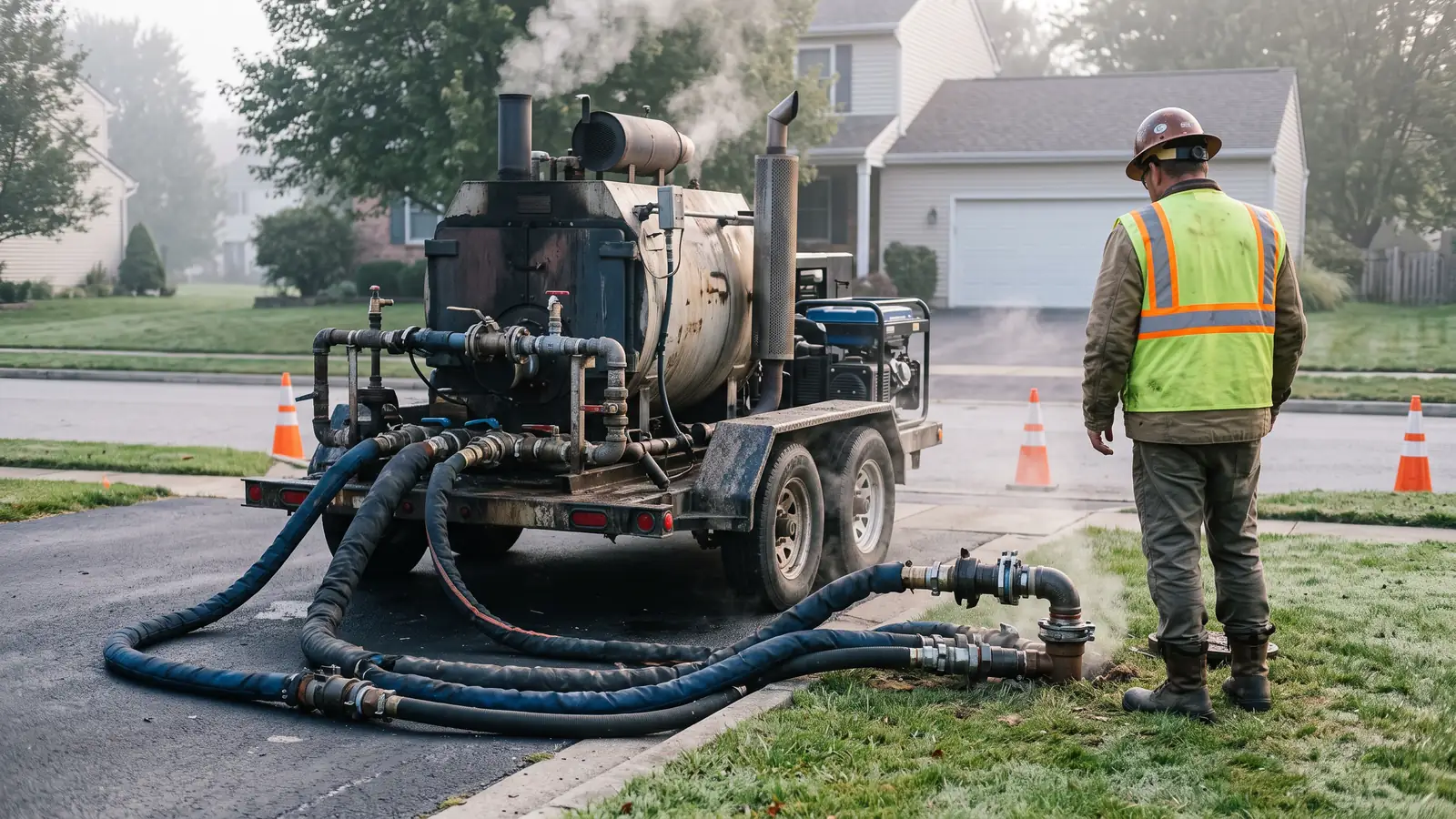
A felt liner is inverted into the pipe, then heated water or steam is circulated through it. The heat triggers the resin to harden. The liner needs time to heat, cure and cool, and temperatures are monitored through the cure.
It is a long-proven approach, particularly for residential laterals and pipes with bends.
How UV cure works
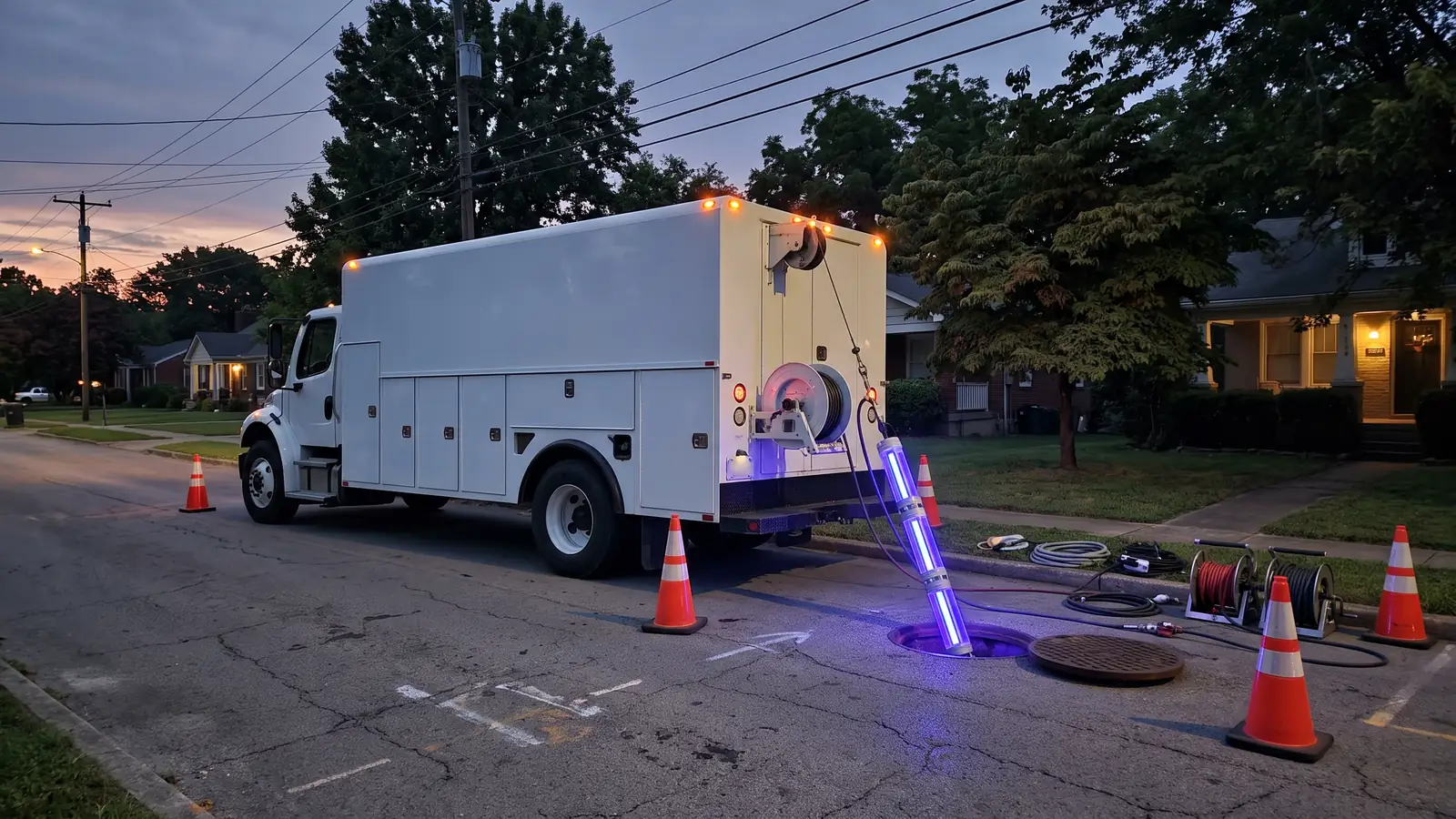
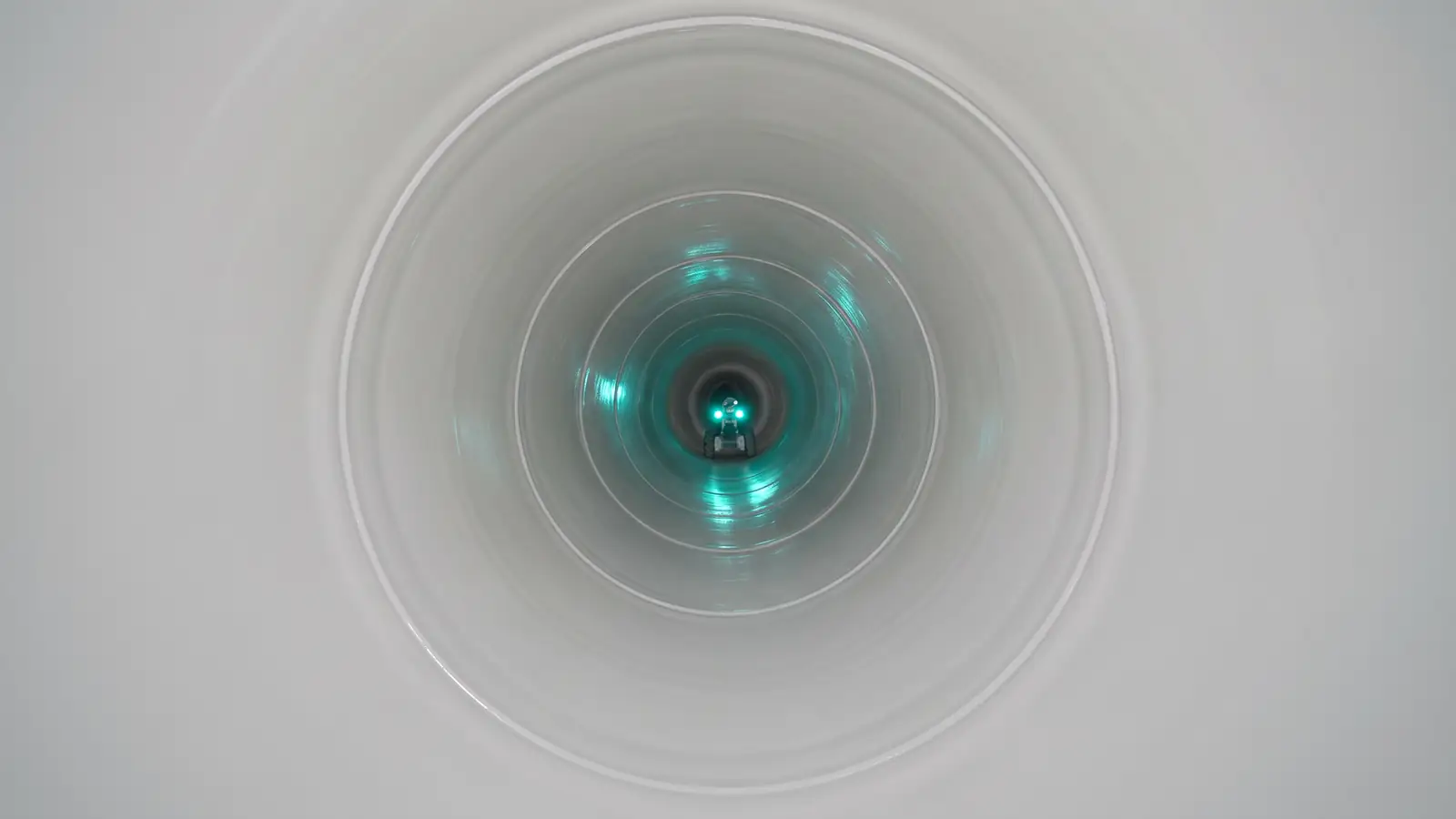
A glass-fiber liner is pulled into the pipe and inflated. A train of ultraviolet lights is then drawn through it at a controlled speed, curing the resin as it passes. The cure is fast and tightly monitored.
The equipment is compact, which helps on tight sites.
Where each fits
Hot-water or steam cure suits pipes with bends and changes in shape, where a flexible felt liner conforms best. UV suits many straight or gently bending small and mid-size pipes, especially where a quick, tidy setup or a rigid thin liner is an advantage.
Pipe diameter, length, bends and access can tilt the decision either way.
How we choose
We do not start with a preferred method. We start with a camera inspection and the site, and choose the combination that suits the pipe. We tell you why we chose it.
If one method clearly wins for your line, we say so. If both would work, we explain the trade-offs.
Quick answers
Is UV cure newer?
It has been in use for a number of years and is well established. Both methods are in common use.
Does the cure method change the finished pipe?
Both produce a structural liner. Properties differ between systems, and we select a system that suits your pipe.
Have a pipe question?
Call (615) 952-0844 or send the form below, and we will suggest a recorded camera inspection and the options that fit.