Key takeaways
- Open-cut digs a continuous trench; CIPP works from existing access
- Trenchless usually disturbs far less of the yard and driveway
- Excavation is still the answer for some failures
- The camera inspection decides which one fits
How excavation works
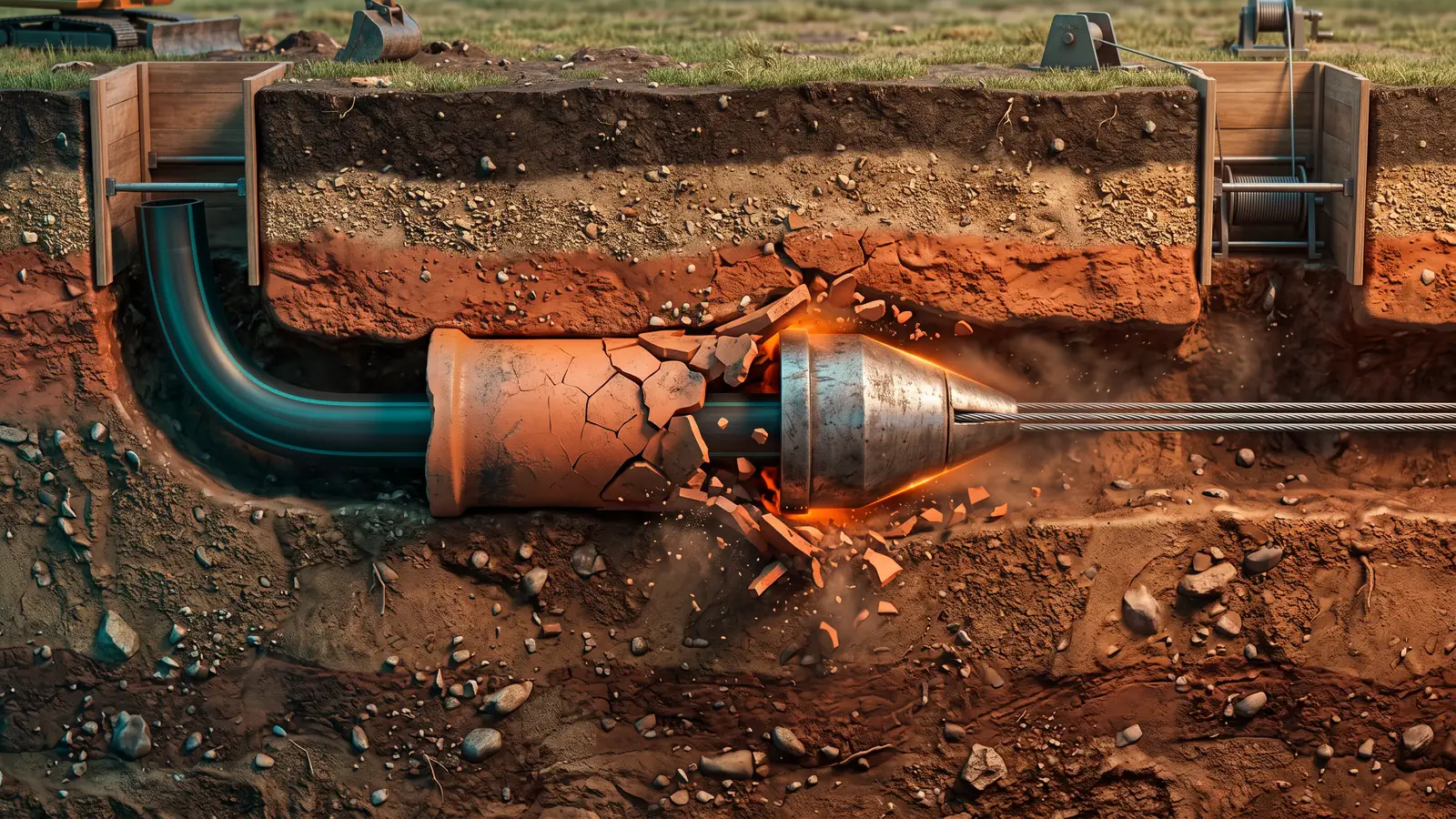
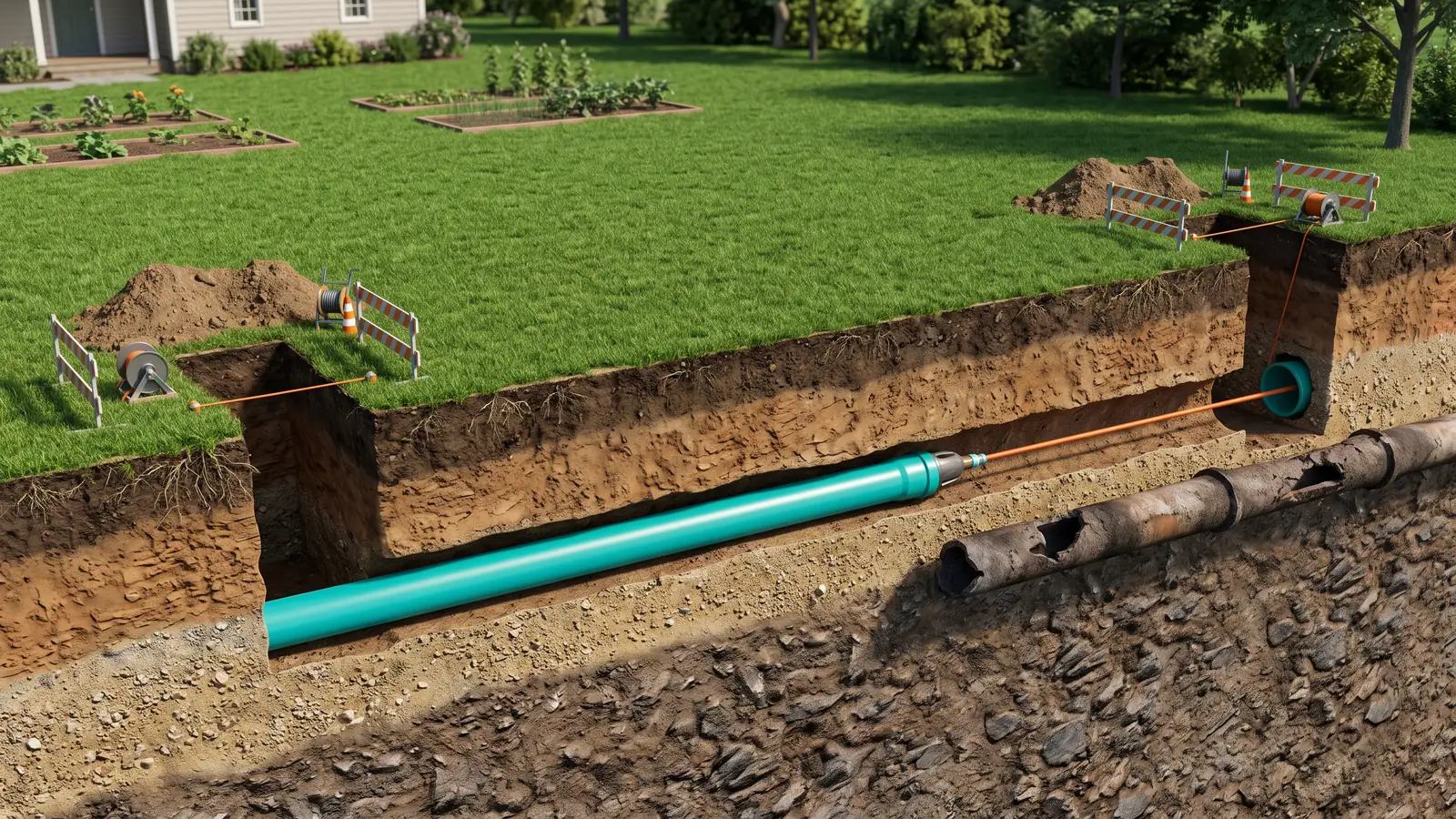
Open-cut repair means digging a trench along the pipe, breaking out whatever sits above it, replacing the pipe and backfilling. It is straightforward, visible and sometimes the only way to correct a sag or fix a failed junction.
The cost is disruption: lawns, driveways, patios, trees, fences and sometimes floors all have to be removed and restored.
How CIPP differs
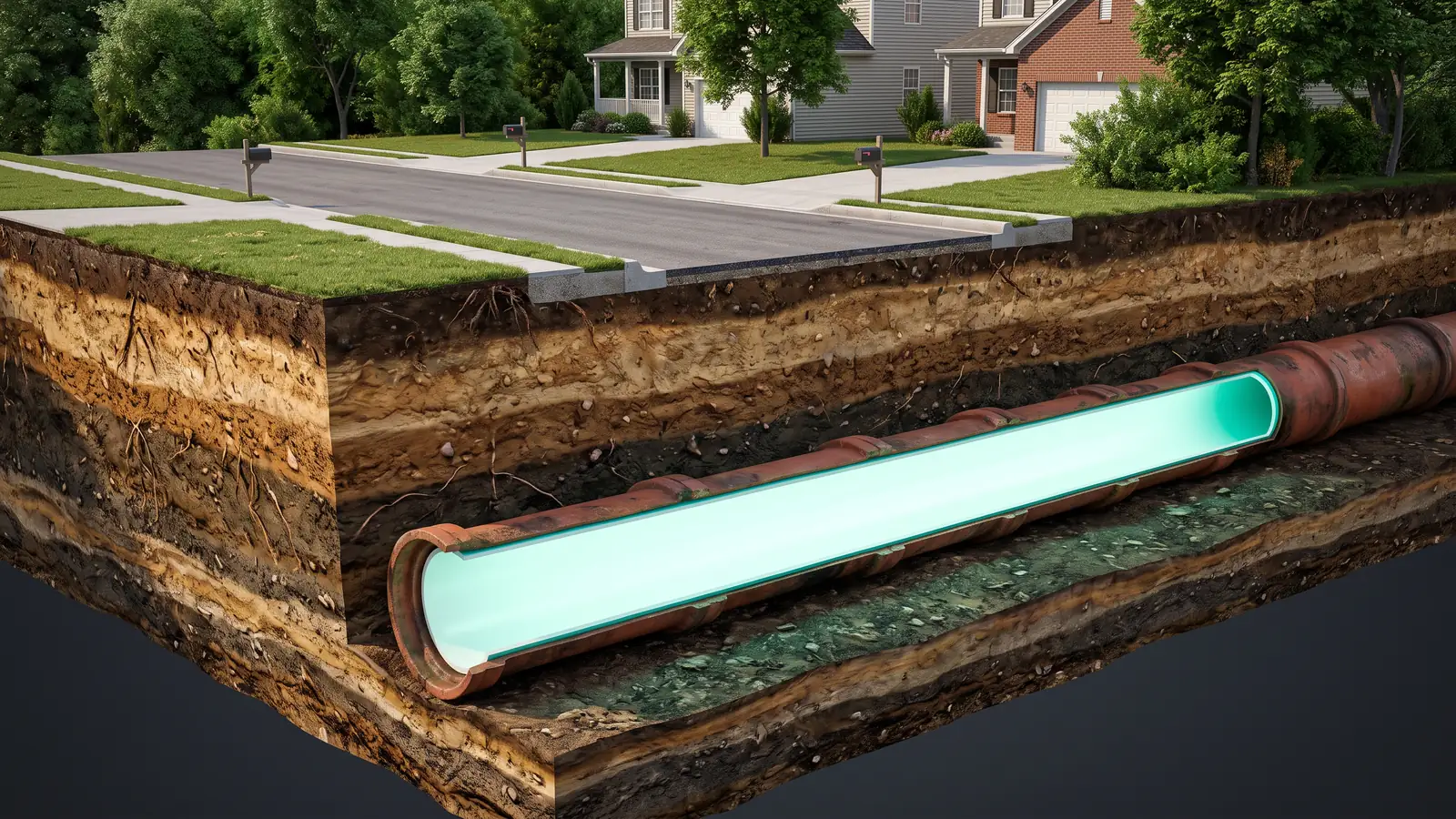
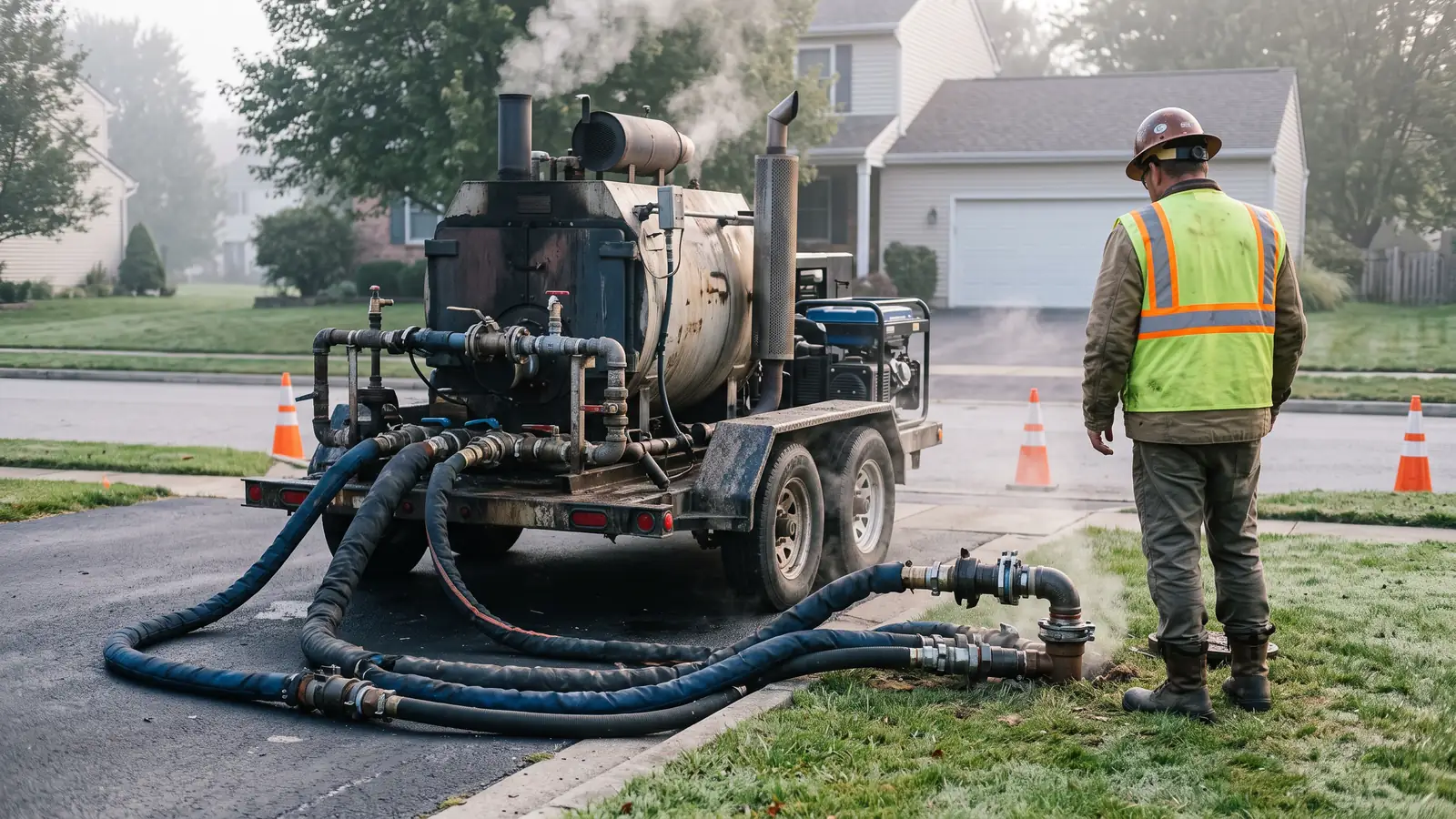
CIPP works through existing openings. There is no trench to dig and refill, so landscaping, hardscape and floors usually stay as they are. Noise, mess and time on site are typically lower.
The repair becomes a new pipe inside the old, with a smooth jointless interior.
Where digging still wins
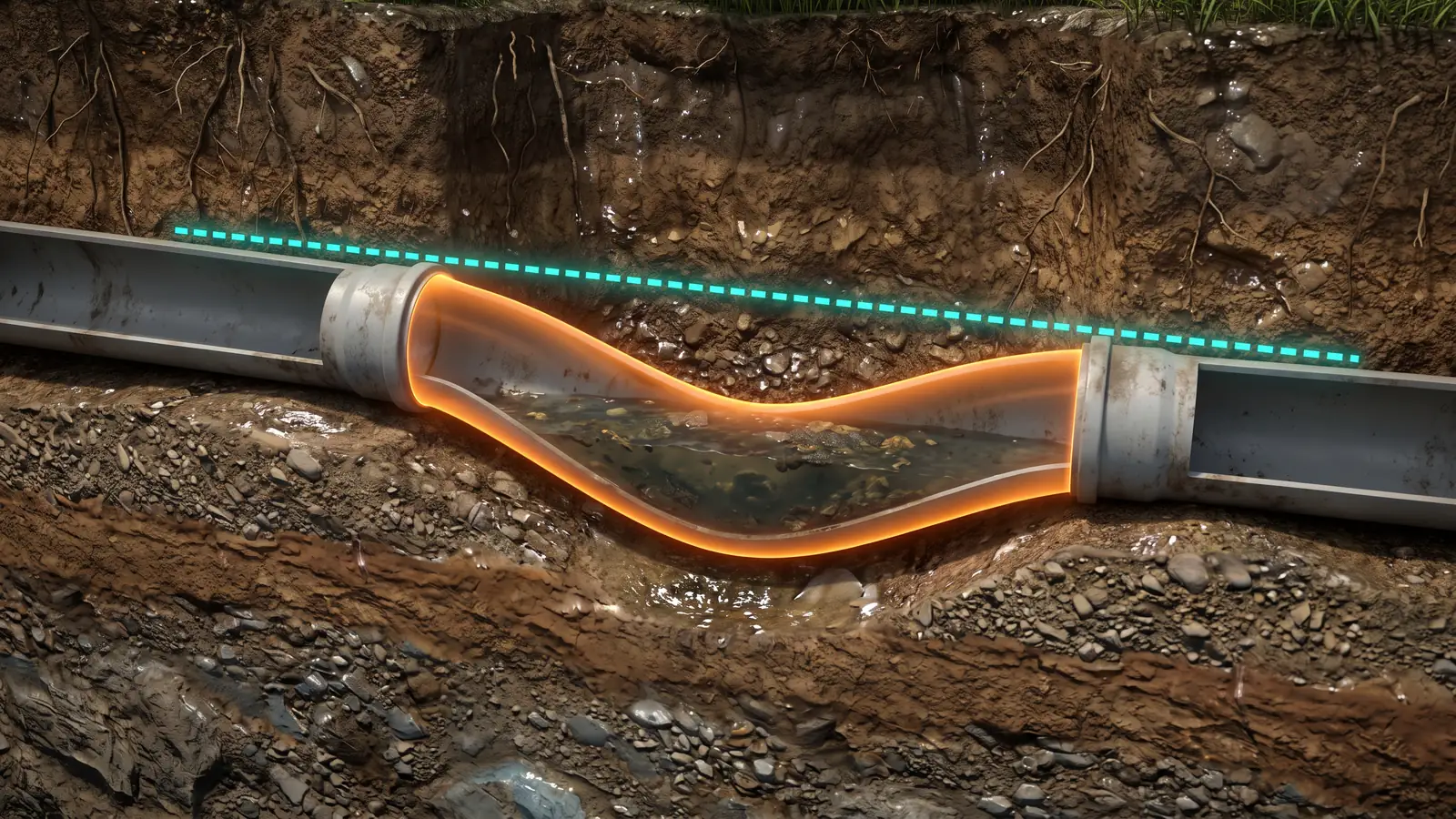
A collapsed section, a serious belly, a failed fitting or a pipe that is too far out of line cannot be lined. Pipe in very unusual shapes or at awkward connections may also need to be dug.
A good contractor tells you when that is the case, and keeps the dig as small as possible.
How to decide
Start with a recorded camera inspection and a locate. They show whether the pipe is round, aligned and sound enough to line, or whether some of it has to be replaced.
Ask for the options in writing, with the disruption each would cause, and get a second opinion if the answer is a large dig.
Quick answers
Is trenchless always cheaper?
Not always. The total picture includes restoration of whatever excavation would have removed. We compare the real scope of each option.
Does CIPP last as long as new pipe?
Industry designs commonly cite around 50 years, but conditions vary and no repair can be promised for life.
Have a pipe question?
Call (615) 952-0844 or send the form below, and we will suggest a recorded camera inspection and the options that fit.