Key takeaways
- CIPP lines the old pipe; bursting replaces it
- Lining needs pipe that is still round and in place
- Bursting handles collapsed or deformed pipe
- Neither one can lift a sag in the line
The basic difference
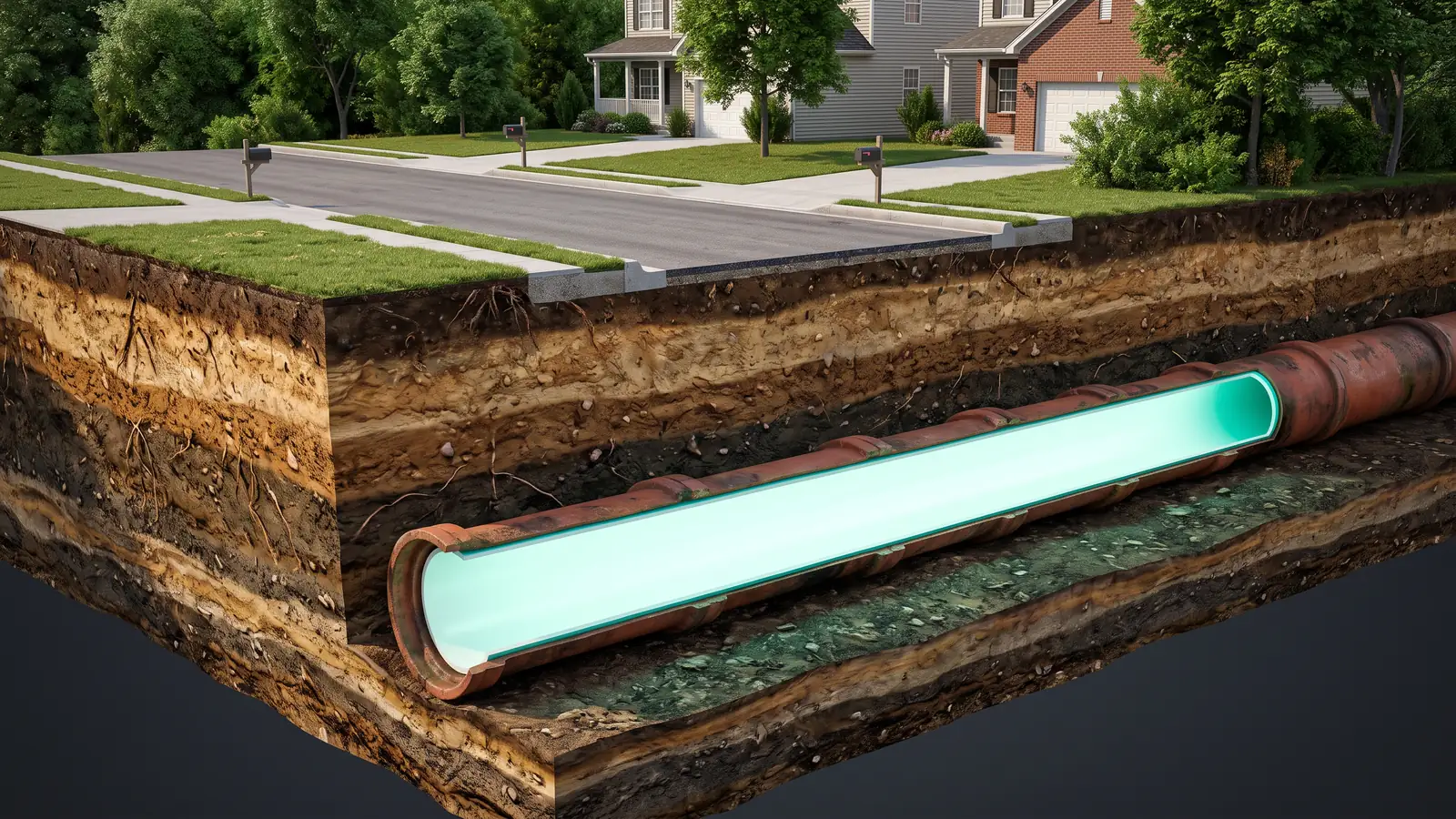
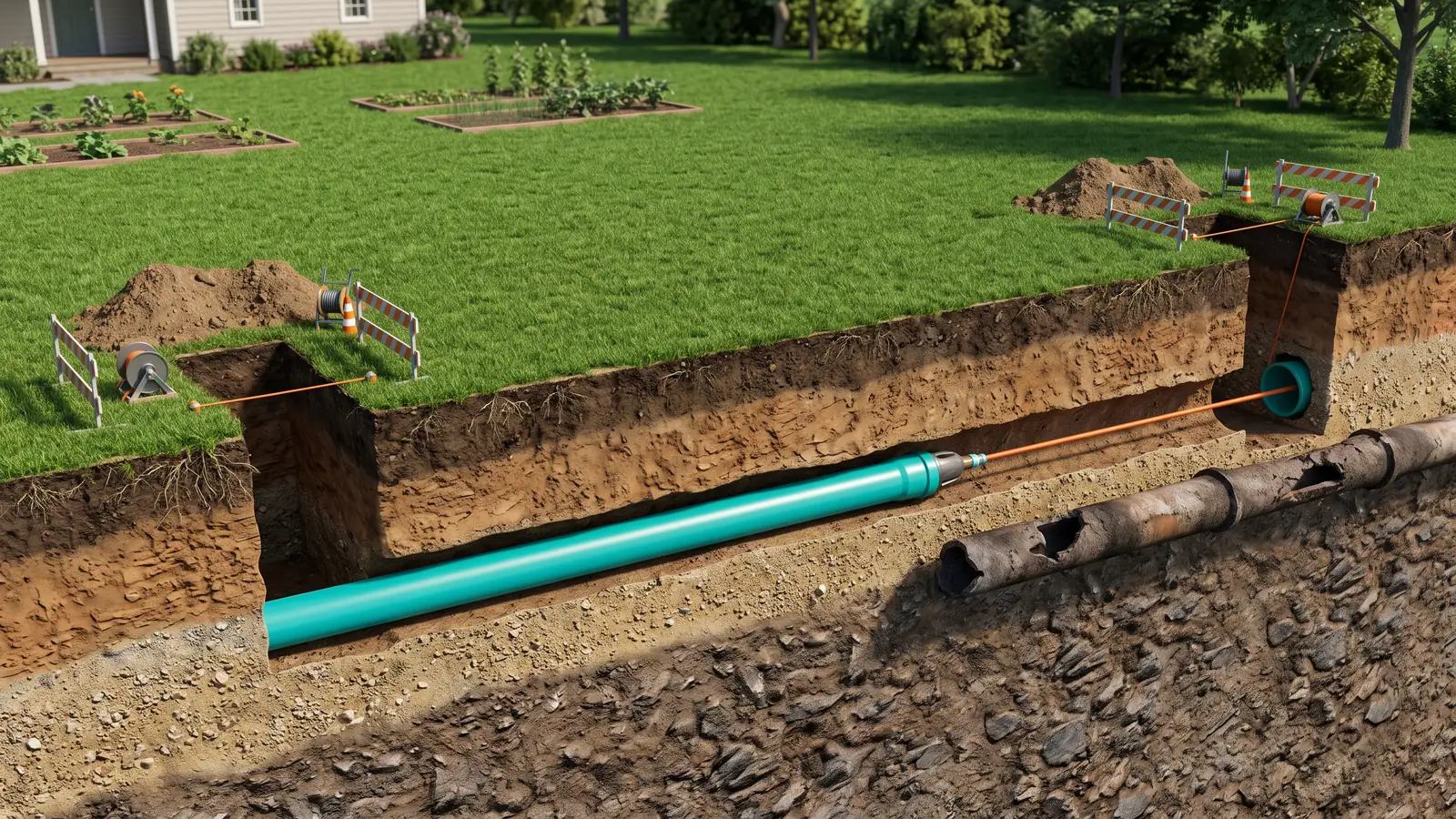
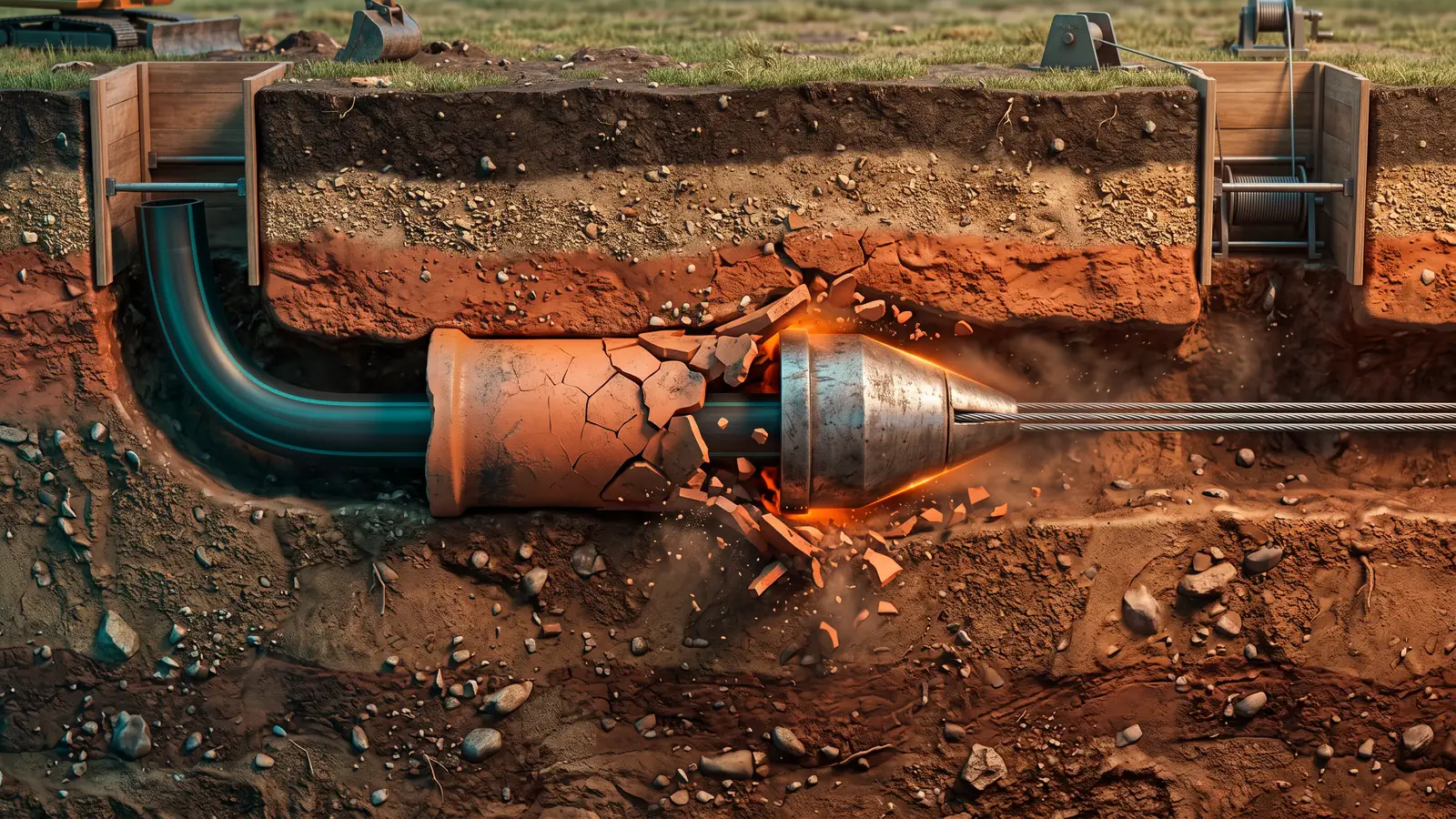
CIPP builds a new pipe inside the old one, which stays in the ground as an outer shell. Pipe bursting destroys the old pipe, pushing it outward into the soil, and pulls a brand-new pipe into the same path.
Both avoid a continuous trench. Both work from small access points. They solve different problems.
When lining fits
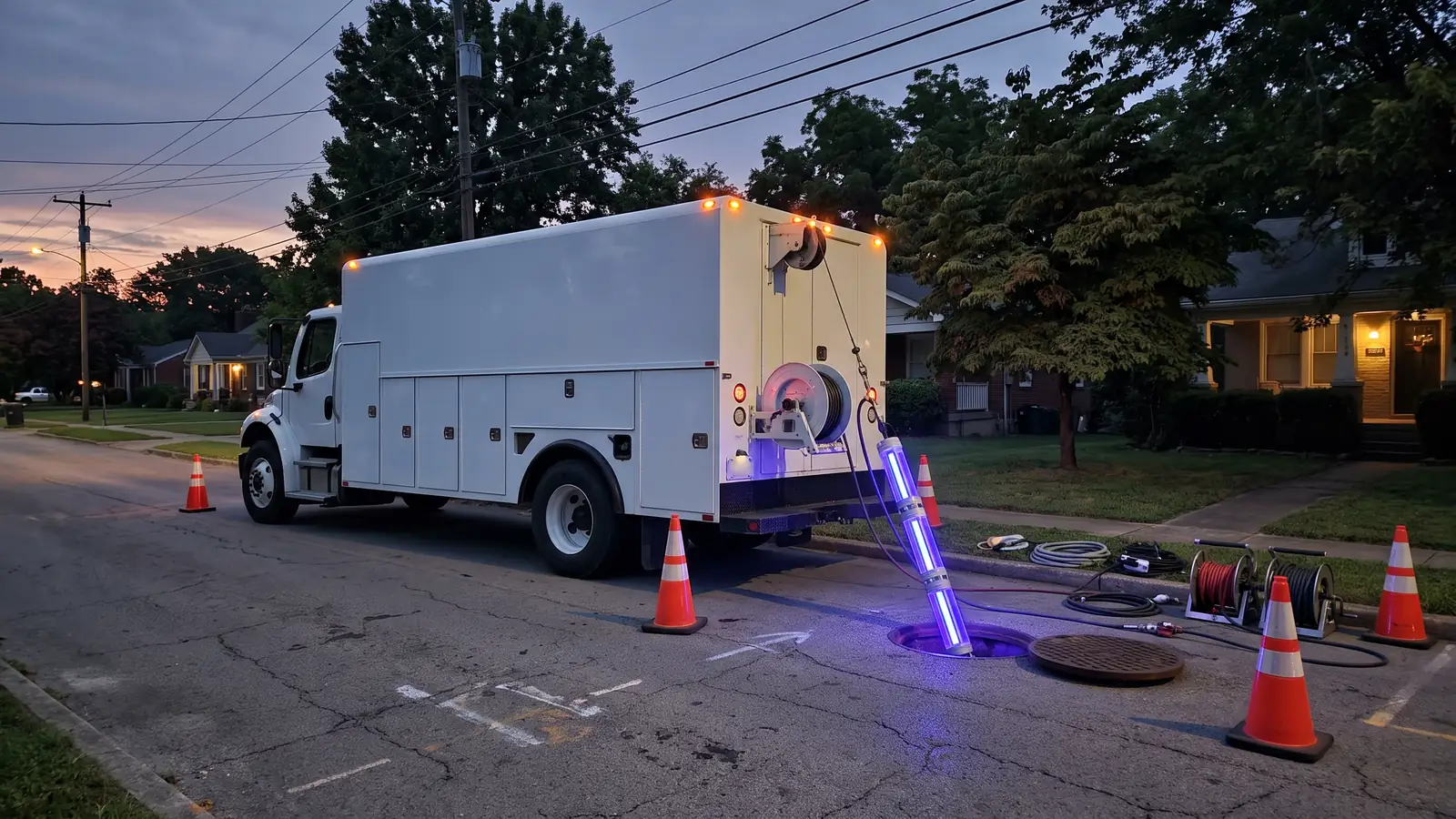
Lining is the better choice when the pipe is still round, in line and structurally standing, with problems such as cracks, open joints, roots or corrosion. It generally needs fewer and smaller access points, can be done through a cleanout and leaves the old pipe where it is.
Because the liner is thin, it only slightly reduces the pipe’s inner diameter.
When bursting fits
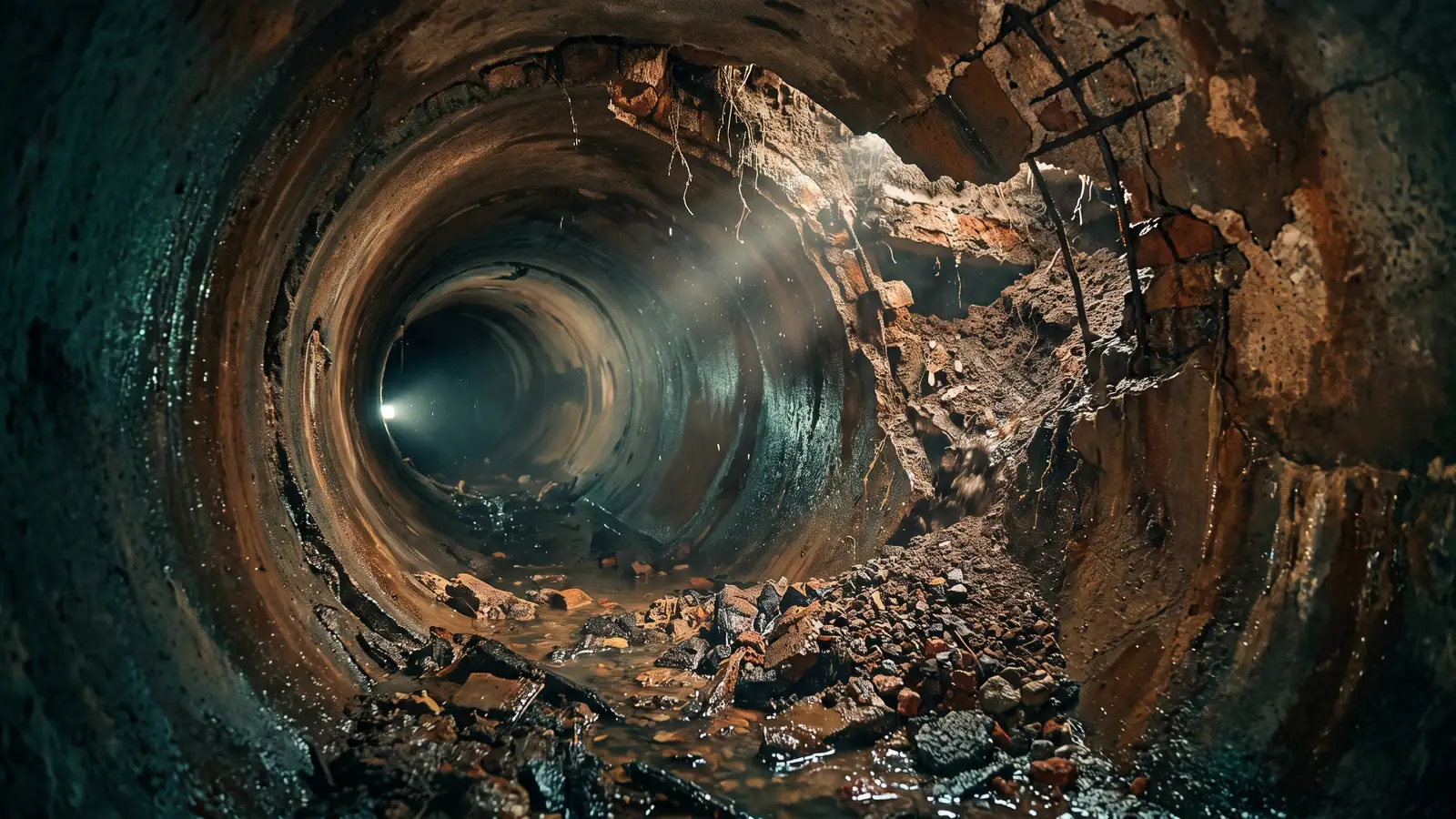
Bursting is the better choice when the pipe has collapsed, flattened or deteriorated beyond what a liner can hold. It gives you completely new pipe and can even increase the pipe size. It needs an entry pit and an exit pit, and a clear path without other utilities too close.
It is also used when the old pipe is so distorted that a liner would not seat.
What neither can do
Both follow the old pipe’s path and grade. A belly stays a belly. If the line needs its slope corrected, a targeted excavation or a new bored path is the answer.
The camera inspection settles the question, which is why every job begins with one.
Quick answers
Is bursting more expensive than lining?
It depends on the line. Bursting involves more access work and new pipe, while lining involves liner materials and cure equipment. We quote each after inspecting.
Can both be used on the same line?
Yes. A line may be lined where it is sound and burst or dug where a section has failed.
Have a pipe question?
Call (615) 952-0844 or send the form below, and we will suggest a recorded camera inspection and the options that fit.