Key takeaways
- A liner follows the old pipe’s shape and grade
- A belly is a grade problem, not a surface problem
- Bursting also follows the old path
- A short excavation is usually the real fix
What a belly is
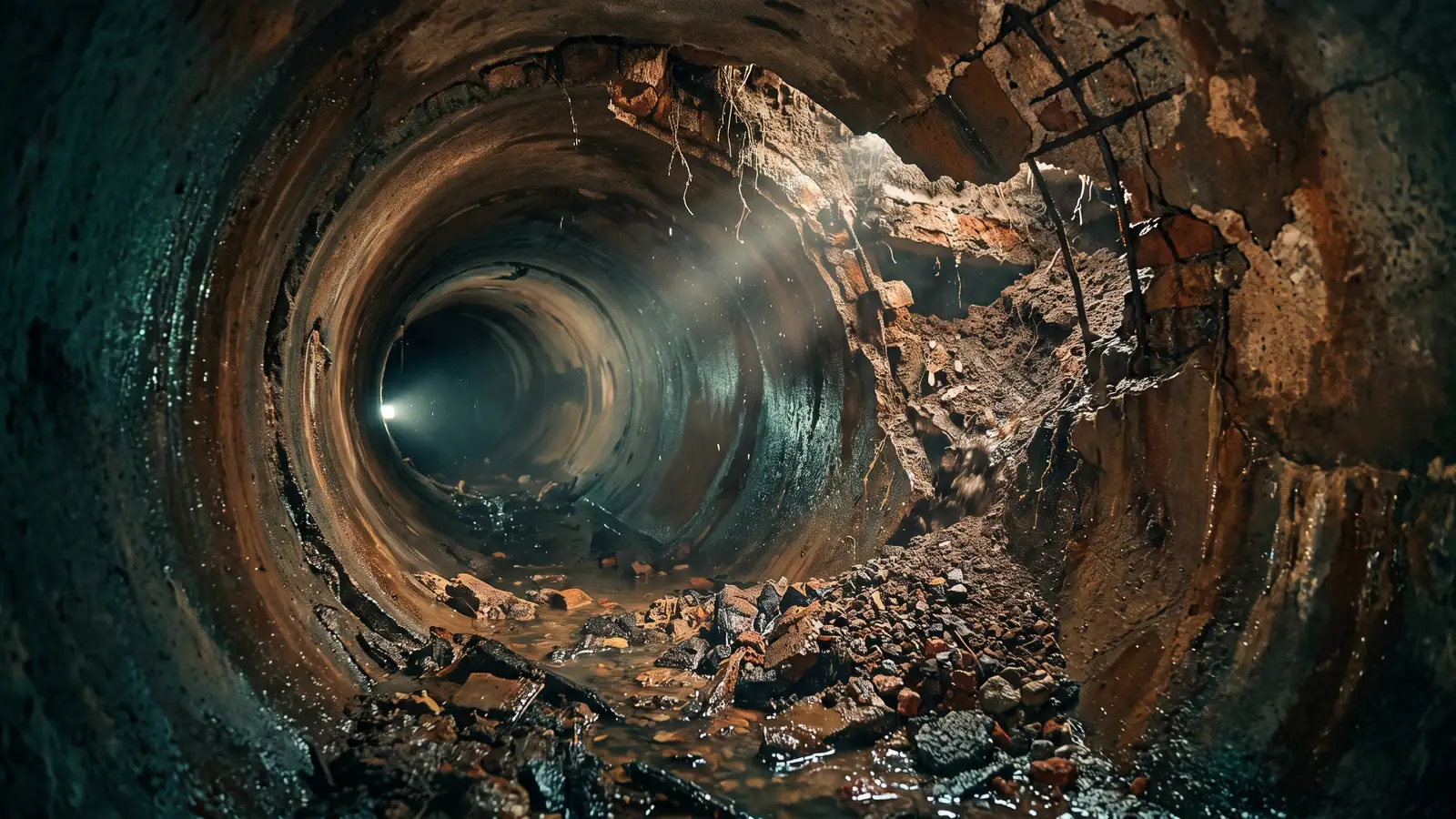
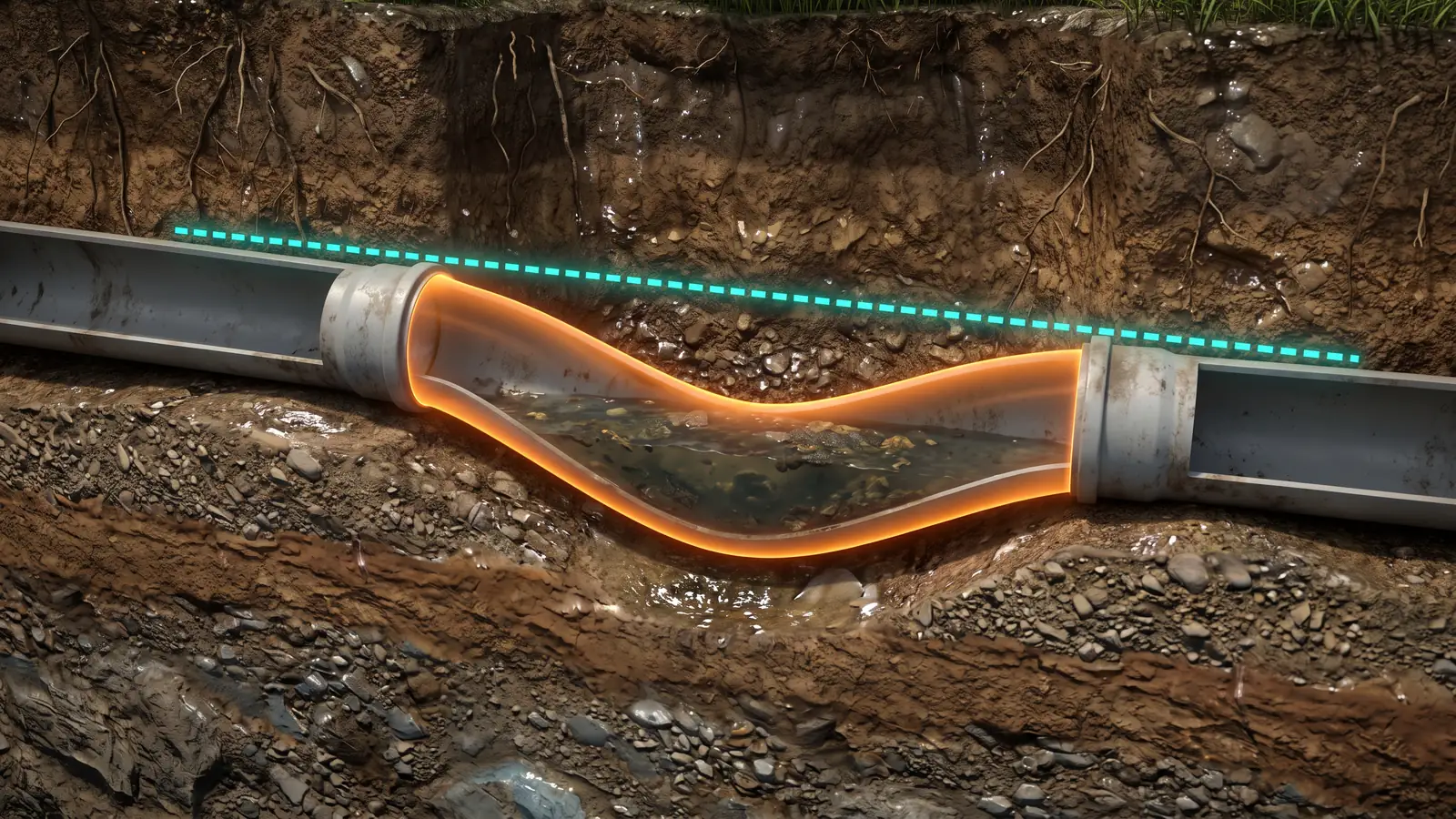
A belly is a section of pipe that has settled lower than the pipe on either side. Water pools there, solids drop out of the flow and clogs form again and again at the same spot. A camera shows standing water in a pipe that should be draining.
It can be caused by poor bedding, soil settling, washout around the pipe or a shifted joint.
Why lining does not fix it
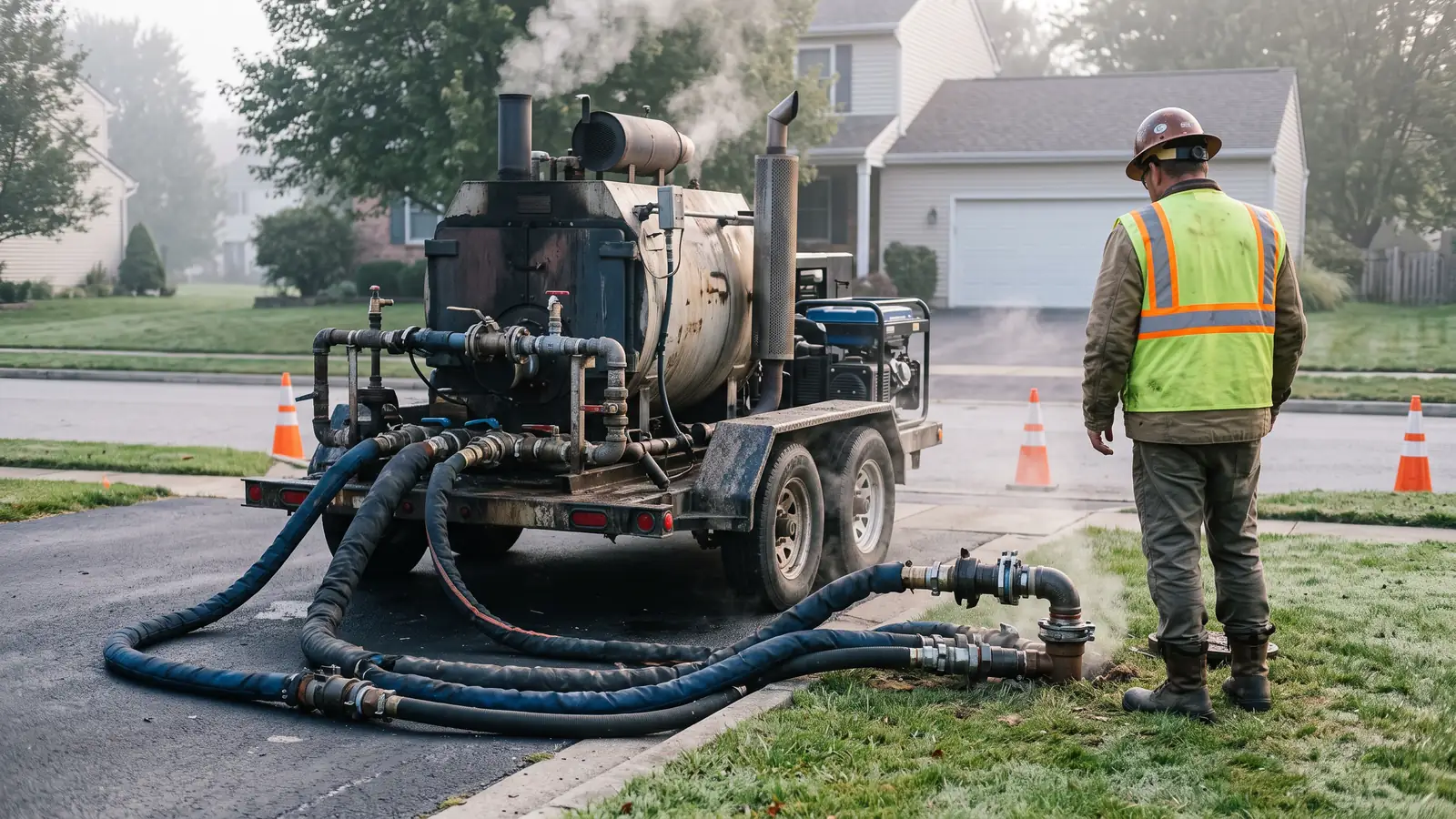
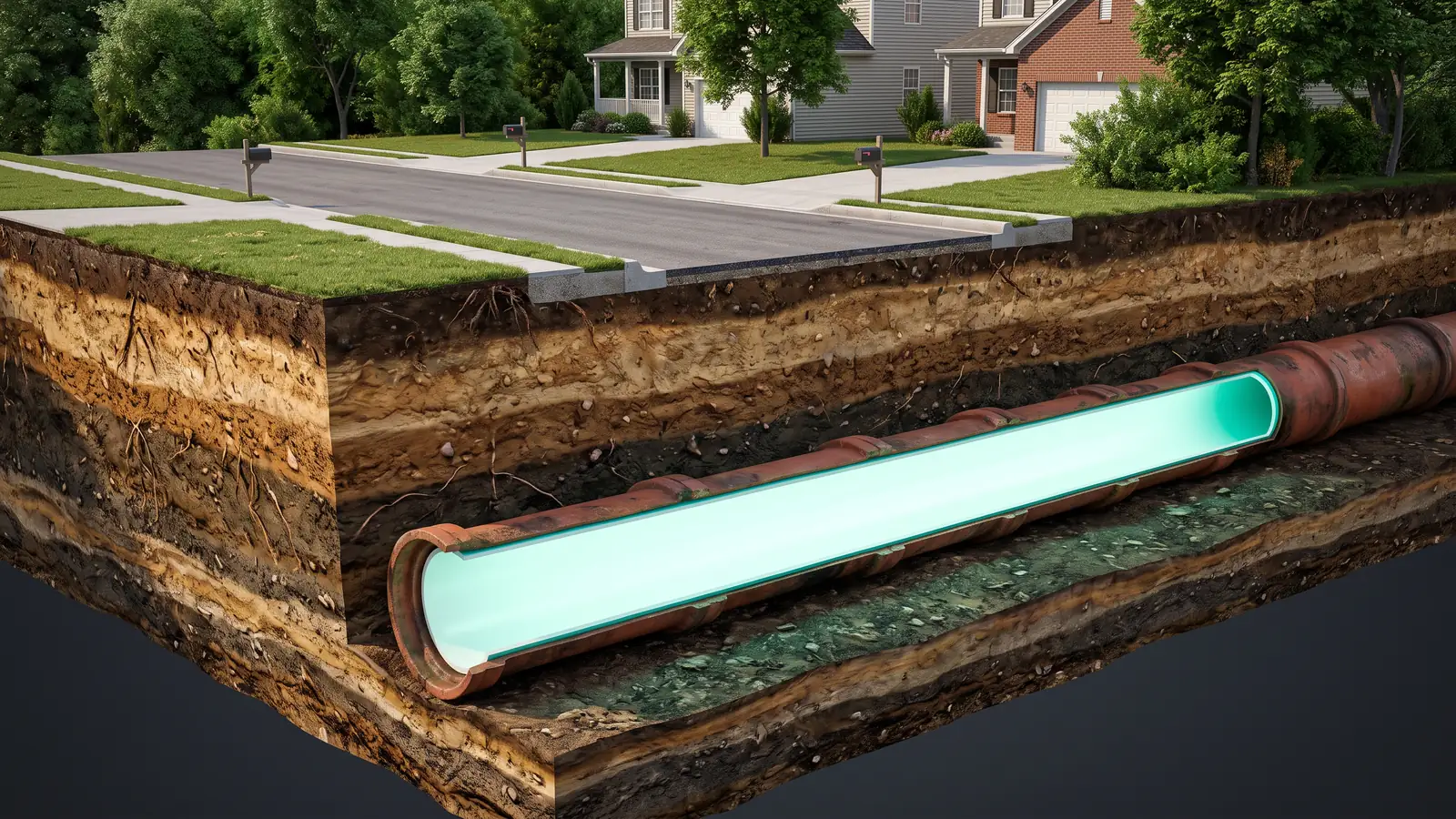
CIPP creates a new pipe inside the old one, taking its shape. If the old pipe sags, so does the new one. The smoother surface may help flow slightly, but standing water remains in the low spot.
A contractor who tells you otherwise has not looked at the camera video closely.
What does fix it
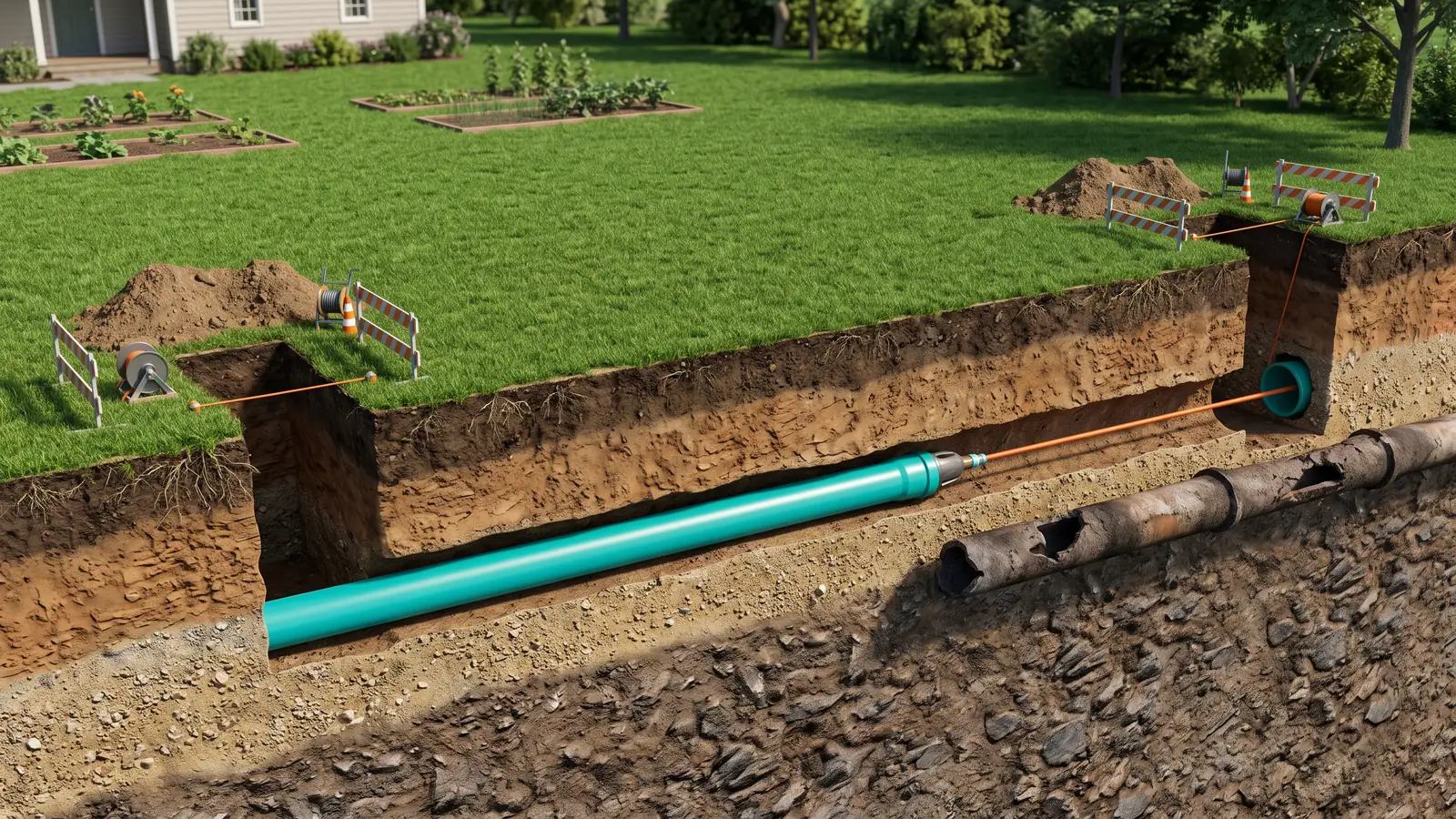
Correcting a belly means re-laying that section at the proper slope. That is usually done by a targeted excavation at the low spot. A bored new path can also work in some cases. Pipe bursting follows the old path, so it does not fix a sag by itself.
We try to keep the dig as short and narrow as the site allows.
When a belly can be tolerated
A shallow, short belly in a line with plenty of flow may work for years with periodic cleaning. A deep or long one usually does not.
We can show you how serious yours is on camera, and you can decide whether to fix it now or monitor it.
Quick answers
How can I tell if my line has a belly?
Repeated clogs in the same spot, gurgling and standing water on a camera pass are the signs.
Can the belly get worse?
Yes. Standing water softens and erodes the soil, so a belly can deepen over time.
Have a pipe question?
Call (615) 952-0844 or send the form below, and we will suggest a recorded camera inspection and the options that fit.